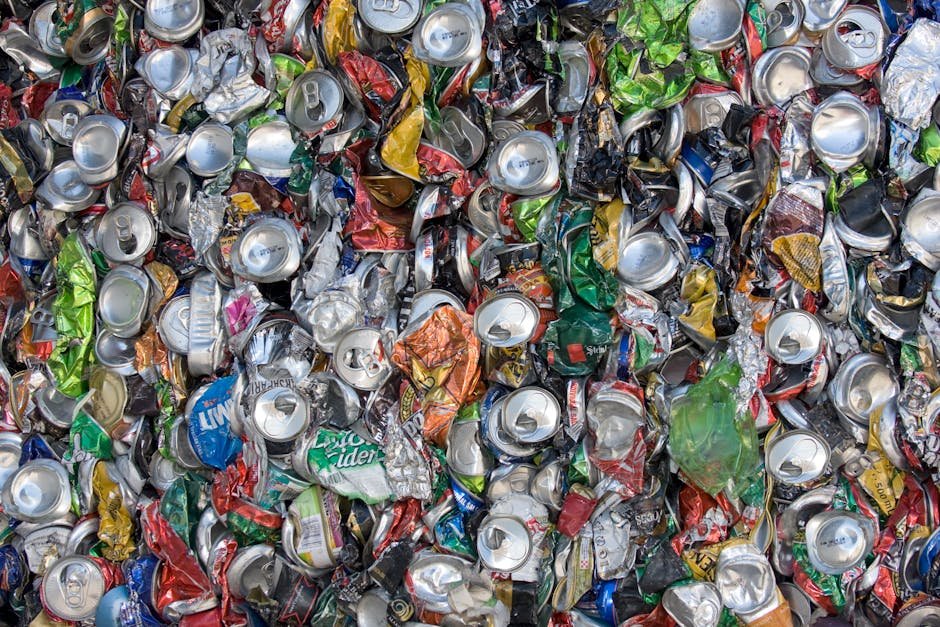

Aluminium scrap dealers play a critical role in Australia’s recycling ecosystem by sourcing and repurposing materials like aluminium cans, aluminium extrusions, and industrial alloys. Understanding the grades of scrap, the recycling process, and the environmental benefits of al recycling can help businesses and individuals maximize returns while supporting sustainability. This guide covers everything you need to know about working with aluminium scrap dealers, from sourcing material to navigating current aluminium price trends.
Overview of Aluminium Scrap Dealers
Aluminium scrap dealers are businesses that collect, sort, and resell aluminium waste materials. These dealers cater to industries, manufacturers, and individuals looking to buy aluminium scrap or recycle their surplus. In Australia, dealers operate in both urban and rural areas, offering competitive prices for clean, sorted, and bulk materials. The demand for aluminium scrap is driven by its high aluminium price, which fluctuates based on global market conditions and recycling efficiency.
Grades of Aluminium Scrap
Aluminium scrap is categorized into specific grades based on its composition, condition, and source. Understanding these grades ensures you receive accurate pricing and avoids contamination issues during recycling. Key grades include:
- Aluminium Cans: Common household waste with high recycling value. Dealers often pay a premium for sorted cans (e.g., beer, soft drink, and aerosol cans).
- Aluminium Extrusions: Structural materials used in construction and manufacturing. Clean extrusions with minimal contamination fetch higher prices.
- Aluminium Alloys: Industrial-grade scrap like 6061, 6063, and 2026 alloys. These require precise sorting due to varying melting points and chemical properties.
- Cast Aluminium: Used in automotive and machinery parts. Requires separation from other metals to maintain quality.
- Sheet and Foil: Common in packaging and electronics. Thin materials may require compaction for efficient processing.
For businesses handling large volumes, the Bulk Aluminium Scrap Buying Guide offers insights into grading and preparation.
How Aluminium Recycling Works
The recycling process for aluminium involves several stages to ensure the material is repurposed efficiently. Here’s a breakdown:
- Collection: Scrap is gathered from households, industries, and demolition sites. Aluminium scrap dealers often partner with local councils to streamline this process.
- Sorting: Mixed scrap is separated using magnets and eddy current separators to isolate aluminium from ferrous and non-ferrous metals.
- Melting: Sorted material is melted in high-temperature furnaces. Impurities are removed through fluxing and skimming.
- Casting: The molten metal is poured into molds to create ingots or billets, ready for reuse in manufacturing.
- Quality Testing: Recycled aluminium is tested for consistency and composition to meet industry standards.
Recycling aluminium consumes only 5% of the energy required to produce new metal, making it one of the most sustainable materials in the scrap trade ecosystem.
Environmental Benefits of Recycling Aluminium
Recycling aluminium significantly reduces environmental impact compared to primary production. Key benefits include:
- Energy Savings: Recycling saves 95% of the energy used in bauxite mining and refining.
- Reduction in Landfill Waste: Aluminium takes centuries to decompose, but recycling diverts it from landfills.
- Lower Emissions: Recycling reduces CO2 emissions by 90% compared to producing new aluminium.
- Conservation of Resources: Recycling reduces the need for bauxite mining, preserving ecosystems and reducing water pollution.
By partnering with certified aluminium scrap buyers, businesses can contribute to Australia’s circular economy goals.
Choosing the Right Aluminium Scrap Dealer
Not all aluminium scrap dealers offer the same level of service or pricing. Consider these factors when selecting a dealer:
- Certifications: Look for dealers with ISO 14001 or other environmental certifications.
- Reputation: Check reviews and industry partnerships (e.g., Scrap.Trade listings).
- Pricing: Compare quotes and ensure transparency about aluminium price fluctuations.
- Logistics: Opt for dealers offering free pickup or bulk handling services for large volumes.
Join the Aluminium Scrap Whatsapp Group to connect with buyers and stay updated on market trends.
Market Trends and the Role of Al Recycling
The aluminium recycling market in Australia is influenced by global demand, trade policies, and technological advancements. Key trends include:
- Increase in Automotive Recycling: Electric vehicle (EV) manufacturing drives demand for recycled aluminium in battery casings.
- Government Incentives: Programs like Australia’s National Waste Policy Action Plan encourage scrap dealers to adopt eco-friendly practices.
- Technological Innovations: AI-powered sorting systems improve efficiency in separating grades like aluminium extrusions and alloys.
Stay informed about aluminium price changes through platforms like ScrapTrade.com.au, which provides real-time market data.
Practical Tips for Selling Aluminium Scrap
Maximize your returns by following these best practices:
- Clean and Sort: Remove contaminants like paint, plastic, or other metals before selling.
- Use the Right Packaging: Bag small items (e.g., aluminium cans) to prevent loss during transport.
- Negotiate Based on Grade: Highlight the purity and type of scrap to secure better rates.
- Stay Updated: Monitor Aluminium Scrap Whatsapp Group for real-time aluminium price updates.
Aluminium Scrap Dealers and the Future of Recycling
As sustainability becomes a global priority, aluminium scrap dealers will play an even greater role in reducing waste and promoting resource efficiency. Emerging technologies, such as al recycling using hydrogen-based smelting, could further revolutionize the industry. By supporting these initiatives and working with responsible dealers, Australia can position itself as a leader in sustainable metal recycling.
Related: aluminium scrap buyer
Frequently Asked Questions
What are the main grades of aluminium scrap?
Common grades include aluminium cans, extrusions, alloys (e.g., 6061 and 6063), cast aluminium, and sheet/foil. Each grade has unique properties that affect pricing and recycling methods.
How does recycling aluminium benefit the environment?
Recycling aluminium saves 95% of the energy used in primary production, reduces CO2 emissions by 90%, and minimizes landfill waste. It also conserves natural resources like bauxite.
How can I find a reliable aluminium scrap buyer?
Look for certified dealers with transparent pricing, positive reviews, and logistics support. Platforms like Scrap.Trade list verified aluminium scrap buyers across Australia.
What factors influence the aluminium price?
The aluminium price is affected by global demand, energy costs, geopolitical factors, and the purity of the scrap. Staying informed through market platforms like ScrapTrade.com.au can help you time your sales effectively.