
The aluminium scrap price is a critical metric for industries, recyclers, and investors in Australia’s metal trading sector. With global demand for lightweight, durable materials rising, understanding the dynamics of aluminium pricing is essential. This guide provides an in-depth analysis of current market values, pricing mechanisms, and the environmental and economic impacts of aluminium recycling.
1. Current Market Value of Aluminium Scrap
In 2024, the aluminium scrap price in Australia fluctuates based on regional supply, international trade, and industrial demand. For clean, high-grade scrap (e.g., aluminium extrusion or aluminium cans), prices typically range from $1.20 to $1.80 per kg. Mixed or low-grade scrap may fetch $0.80 to $1.00 per kg. Prices are also quoted per tonne (200-300 AUD/tonne for low-grade, 400-600 AUD/tonne for high-grade). To stay updated, refer to platforms like Scrap.Trade for real-time data.
2. How Aluminium Scrap Prices Are Set
- Global Market Trends: Prices are heavily influenced by the London Metal Exchange (LME) aluminium price, which reflects international demand.
- Supply Chain Dynamics: Disruptions in mining, refining, or manufacturing directly impact scrap availability and pricing.
- Recycling Efficiency: Scrap with higher purity (e.g., scrap aluminium price per kg Sydney) commands a premium due to lower refining costs.
- Competition with Primary Aluminium: If primary production becomes costlier, scrap demand—and thus prices—surges.
3. Factors Affecting Aluminium Scrap Costs
3.1 Production and Demand
Industries like automotive, construction, and aerospace drive demand. For example, increased use of aluminium extrusion in electric vehicles (EVs) has boosted scrap prices. Conversely, economic downturns reduce construction activity, lowering demand.
3.2 Currency Exchange Rates
Australian dollars (AUD) fluctuations against the US dollar affect imports/exports of aluminium products, indirectly influencing scrap prices.
3.3 Environmental Policies
Government incentives for recycling (e.g., Australia’s National Waste Policy) encourage scrap collection, stabilizing supply and prices.
4. Grades of Aluminium Scrap and Their Market Value
Aluminium scrap is categorized by purity and form, each with distinct pricing:
- Clean Sheet: High-value due to uniformity (e.g., $1.80/kg). Used in aerospace and high-end manufacturing.
- Ingot Scrap: $1.50/kg, derived from pre-consumer waste like casting trimmings.
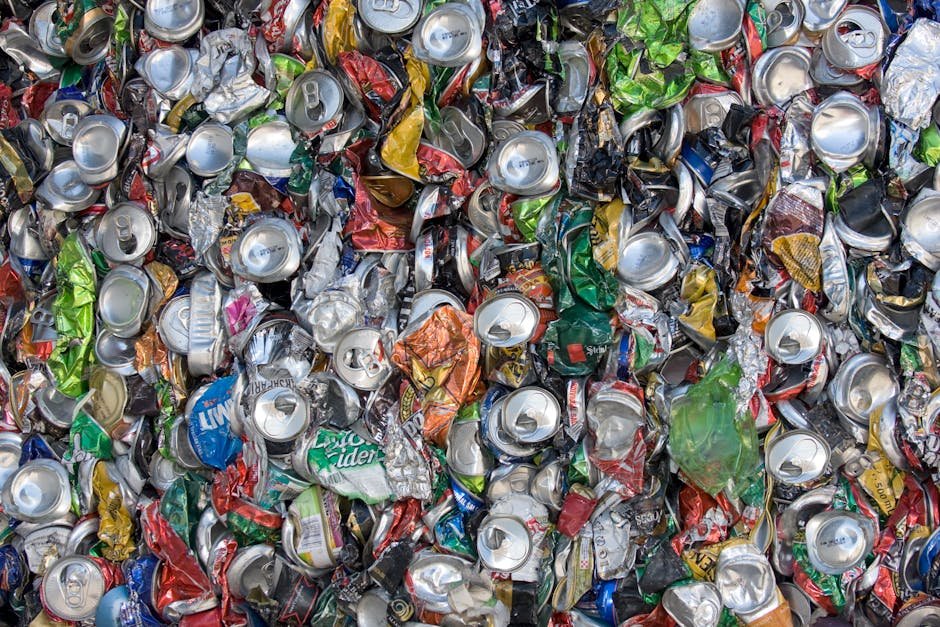
- Mixed Scrap: $0.80/kg, includes post-consumer waste (e.g., aluminium cans) with varying alloys.
- Shredded or Processed Scrap: $1.00/kg, after decontamination and size reduction.
5. The Aluminium Recycling Process
Recycling aluminium is energy-efficient (95% less than primary production). The process includes:
- Collection: Scrap is gathered from industries, households, or specialized recycling centers.
- Sorting: Materials are separated using magnets, sensors, and manual checks.
- Shredding and Cleaning: Removes impurities like paint or labels from aluminium cans.
- Melting and Casting: Scrap is melted into ingots for reuse in manufacturing.
6. Environmental Benefits of Aluminium Recycling
Recycling aluminium scrap reduces carbon emissions, conserves bauxite reserves, and minimizes landfill waste. For instance, recycling one tonne of aluminium saves 14,000 kWh of energy. Australia’s push for a circular economy prioritizes recycling to meet sustainability goals.
7. Monitoring and Forecasting Prices
To track trends, consult tools like the Scrap Price Forecast Guide. For future projections, the Aluminium Scrap Price In 2026 article provides insights on anticipated market shifts. Prices may rise due to EV growth and stricter carbon regulations.
8. Practical Tips for Buyers and Sellers
- Buyers: Compare scrap aluminium price quotes across regions to avoid overpaying.
- Sellers: Clean and sort scrap to qualify for premium price per kg rates.
- Both: Use platforms like Scrap.Trade to access real-time data and market insights.
9. Conclusion
The aluminium scrap price in Australia is shaped by a complex interplay of economic, environmental, and industrial factors. By understanding these dynamics, stakeholders can optimize their buying/selling strategies while contributing to sustainability. Stay informed with reliable sources and leverage recycling as a cornerstone of future metal markets.
Related: Stainless Steel Scrap Price
Related: scrap aluminium price per kg sydney
Frequently Asked Questions
What is the current aluminium scrap price per kg in Australia?
As of 2024, the aluminium scrap price per kg in Australia ranges from $1.20 to $2.50, depending on grade and purity. Check scrap aluminium price for the latest updates.
How are aluminium scrap prices determined?
Aluminium scrap prices are influenced by global demand, LME aluminium prices, recycling efficiency, and supply chain conditions. For a detailed analysis, refer to the Scrap Price Forecast Guide.
What are the different grades of aluminium scrap?
Common grades include clean sheet ($1.80/kg), ingot scrap ($1.50/kg), and mixed scrap ($0.80/kg). scrap aluminium price per kg Sydney highlights regional price variations.
Why is recycling aluminium beneficial?
Recycling aluminium scrap saves 95% of the energy required to produce new aluminium, reduces carbon emissions, and conserves resources. Australia’s environmental policies strongly support al recycling initiatives.