
Navigating the volatile landscape of the metal industry requires a deep understanding of the aluminium scrap price per kilo. Whether you are a demolition contractor, a manufacturing plant manager, or an individual collector, knowing how to value your materials is the difference between a marginal return and a profitable venture. At our professional scrap metal trading platform, we empower stakeholders with the data needed to make informed decisions in a complex global market.
Understanding the Drivers of Aluminium Scrap Prices
The aluminium scrap price per kilo is not an arbitrary figure; it is the result of a sophisticated interplay between global supply chains, energy costs, and industrial demand. To understand current scrap prices, one must first look at the London Metal Exchange (LME). The LME sets the benchmark for primary aluminium, which serves as the foundation for the price of secondary (recycled) aluminium. When global economic conditions tighten, demand for new construction and automotive manufacturing often dips, which in turn cools the aluminium scrap price per kilo.
Beyond the LME, local Australian factors play a massive role. Logistics, transport costs from regional collection points to major processing hubs, and the purity of your scrap are paramount. For those looking to optimize their returns, it is essential to consult our Scrap Price Forecast Guide to understand the cyclical nature of these commodities. Furthermore, if you are looking to scale your operations, understanding How To Price Scrap For Export Markets is vital for those dealing with bulk volumes where international arbitrage becomes possible.
The Hierarchy of Aluminium Grades
Not all scrap is created equal. The market categorizes aluminium into distinct grades, each commanding a different price point. Understanding these grades is the most effective way to ensure you are getting the best price per kilo for scrap metal.
- Aluminium Extrusion (6063): This is the gold standard of scrap. Found in window frames, door frames, and architectural components, it is highly sought after due to its consistent metallurgical properties. Clean, paint-free extrusion usually fetches the highest prices.
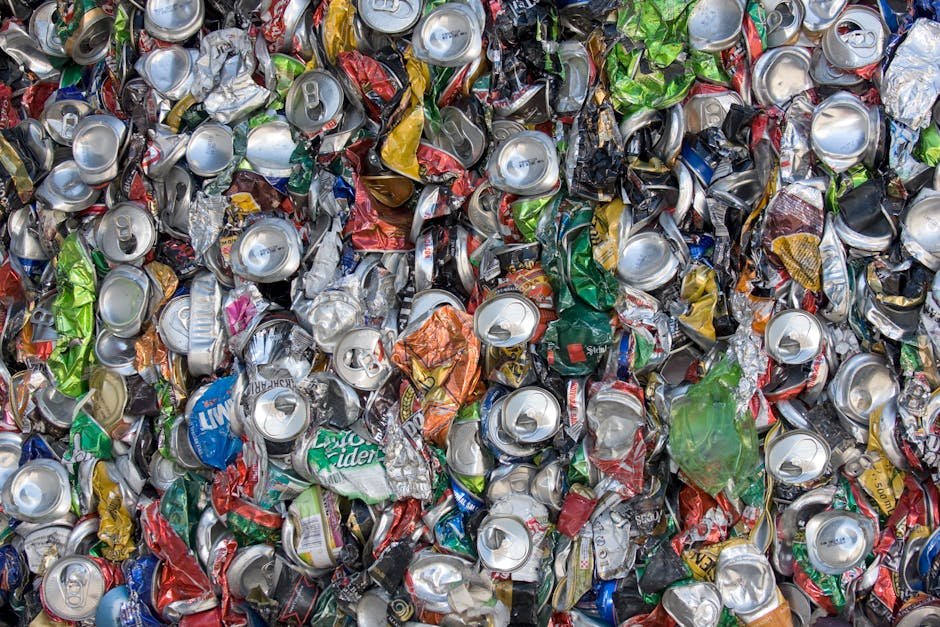
- Aluminium Cans (UBCs): Used Beverage Cans are a high-volume commodity. While the price per unit is lower than industrial extrusion, the sheer volume and ease of processing make them a consistent revenue stream for recycling centers.
- Cast Aluminium: Often found in engine blocks, transmission cases, and lawnmower decks. This grade contains higher levels of silicon, making it harder to recycle into high-grade sheet metal, which impacts its market value.
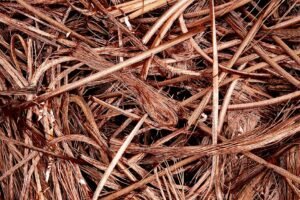
- Aluminium Wire and Cable: Often stripped of insulation, this material is high-purity and highly valued by refineries.
- Turnings and Borings: These are the by-products of machining processes. Because they are often contaminated with cutting fluids and oils, they require more intensive processing, which lowers their scrap value.
When you are preparing your scrap, keep in mind that contamination is the enemy of value. Mixed loads—where aluminium is contaminated with steel screws, plastic, or rubber—will be downgraded to “dirty” scrap, significantly reducing your payout. For those dealing with other materials, you might also want to check the Stainless Steel Scrap Price to ensure your entire inventory is being valued correctly.
How Recycling Works: From Scrap to Commodity
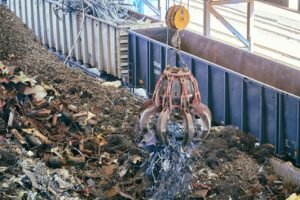
The process of transforming scrap into a usable commodity is a marvel of modern industrial efficiency. Once scrap is collected at our Australian scrap trading hub, it undergoes a rigorous sorting process. Advanced technology, including X-ray fluorescence (XRF) analyzers and dense media separation, is used to identify and separate different alloys.
After sorting, the material is shredded to remove non-metallic contaminants. The shredded material is then subjected to a “de-coating” process where hot air is used to burn off paints, plastics, and lubricants. Finally, the clean scrap is melted in large reverberatory furnaces. Because aluminium can be recycled infinitely without losing its physical properties, this “secondary” aluminium is just as valuable as primary aluminium produced from bauxite ore. This circular economy model is the backbone of the sustainable metal industry in Australia.
Environmental Benefits and Economic Sustainability
The environmental case for aluminium recycling is overwhelming. Producing primary aluminium from bauxite ore is an energy-intensive process that involves mining, refining, and the massive consumption of electricity during the smelting phase. By contrast, recycling aluminium requires roughly 95% less energy than producing it from scratch.
By participating in the scrap market, you are not just chasing a price per tonne; you are actively reducing the carbon footprint of the manufacturing sector. Every tonne of recycled aluminium saves approximately 14,000 kilowatt-hours of electricity and prevents the emission of significant amounts of greenhouse gases. For businesses, this is increasingly important as ESG (Environmental, Social, and Governance) reporting requirements become mandatory. Choosing to recycle your scrap is a direct contribution to a greener Australian economy.
Factors Affecting Metal Prices Today
When you check metal prices today, you are seeing a snapshot of a highly complex system. Several variables influence these figures daily:
- Currency Fluctuations: Since aluminium is traded in USD on the LME, the strength of the Australian Dollar (AUD) against the US Dollar has a direct impact on the local price. A weaker AUD often makes local scrap more attractive for export, which can drive up domestic prices.
- Energy Prices: Aluminium smelting is energy-heavy. When global energy prices spike, the cost of producing primary aluminium rises, which often pulls the price of scrap metal up as manufacturers seek cheaper, recycled alternatives.
- Industrial Demand: The automotive and construction sectors are the largest consumers of aluminium. When these sectors are booming, demand for scrap outstrips supply, pushing prices higher.
- Logistics and Freight: The cost of shipping scrap from the collection point to the refinery is a major component of the final price. Rising fuel costs will almost always result in a lower “at-the-gate” price for the seller.
It is also worth noting that other metals often follow similar trends. For example, if you are diversifying your scrap portfolio, it is useful to monitor the price of scrap lead per kilo, as lead markets often react to different industrial triggers but are influenced by the same global logistics shifts.
Practical Tips for Maximizing Your Scrap Returns
To maximize your return, you must treat your scrap like a high-value asset. Here are actionable tips for the professional scrap seller:
1. Segregation is Key: Never mix your grades. If you have a pile of clean aluminium extrusion, keep it separate from your cast aluminium or your mixed scrap. Selling mixed loads will always result in the lowest price being applied to the entire batch.
2. Clean Your Material: Remove non-metallic attachments. Screws, bolts, rubber seals, and plastic handles are “contaminants.” Removing these before you arrive at the yard will increase the weight-to-value ratio of your load.
3. Monitor the Market: Don’t sell in a panic. Use our resources to track trends. If the market is in a temporary slump, and you have the storage capacity, it may be better to wait for a price recovery before offloading your inventory.
4. Build Relationships with Buyers: Consistency pays off. If you are a regular supplier of high-quality, clean scrap, you can often negotiate better rates with your local yard than a “one-off” seller. Reliability and quality control are highly valued in the scrap trade.
5. Understand the Weighting: Always ensure you are working with a yard that uses calibrated, certified scales. Transparency in the weighing process is non-negotiable.
The Future of the Aluminium Industry
As the world transitions toward electric vehicles (EVs) and green construction, the demand for aluminium is projected to skyrocket. Aluminium is the material of choice for lightweighting vehicles to increase battery range, and it is increasingly used in solar panel frames and wind turbine components. This long-term demand curve suggests that the aluminium scrap price per kilo will remain a critical metric for years to come.
Furthermore, as governments implement stricter regulations on waste, the “cradle-to-cradle” lifecycle of aluminium will become even more important. We are moving toward a future where every scrap of metal is tracked and accounted for, ensuring that no valuable material ends up in a landfill. By engaging with this market now, you are positioning yourself at the forefront of a sustainable industrial revolution.
Whether you are a small business looking to dispose of workshop waste or a large-scale enterprise managing industrial demolition, the principles remain the same: sort, clean, and stay informed. The scrap trade is a sophisticated industry that rewards those who take the time to understand its mechanics. From the LME to your local yard, every step in the supply chain is designed to extract value from what was once considered waste. By mastering these concepts, you ensure that your scrap metal assets are working as hard as possible for your bottom line.
For ongoing updates and to ensure you are always getting the best value, make sure to bookmark our platform. We provide the tools, the data, and the market access you need to thrive in the Australian scrap metal industry. Remember, the market is always moving—staying ahead of it is the key to long-term profitability.
Related: price per kilo for scrap metal
Frequently Asked Questions
What is the difference between primary and secondary aluminium?
Primary aluminium is produced from raw bauxite ore through an energy-intensive smelting process. Secondary aluminium is produced by melting down recycled scrap, which uses 95% less energy and retains the same physical properties.
How can I get the best aluminium scrap price per kilo?
To get the best price, ensure your scrap is clean and free of contaminants like plastic, rubber, or steel fasteners. Segregating your aluminium into specific grades, such as extrusion or wire, will also yield a higher price than selling mixed scrap.
Does the price of scrap metal change daily?
Yes, scrap metal prices are dynamic and fluctuate based on the London Metal Exchange (LME) daily closing prices, currency exchange rates, and local supply and demand factors. It is recommended to check current market rates before scheduling a sale.
Why is it important to remove contaminants from my scrap?
Contaminants like iron screws or plastic coatings lower the quality of the molten metal during the recycling process. Yards will downgrade contaminated loads to lower-value categories, which significantly reduces the amount you are paid.