
Aluminium scrap tread is a critical component in the circular economy, offering both economic and environmental advantages. Derived from industrial and post-consumer sources, this scrap material is categorized into grades based on purity, alloy composition, and form. Understanding these grades, the recycling process, and the environmental impact of recycling aluminium scrap treads is essential for businesses and individuals involved in scrap trade. This guide provides a comprehensive overview of aluminium scrap treads, ensuring readers can optimize their value while contributing to sustainability goals.
Understanding Aluminium Scrap Tread Grades
Aluminium scrap treads are classified into distinct grades to ensure quality and usability in secondary manufacturing. The primary categories include:
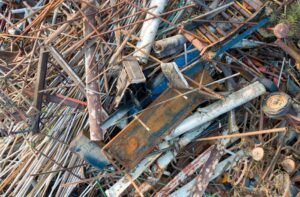
- Post-Industrial Scrap: Generated during manufacturing processes, such as aluminium extrusion or machining. Examples include trims, swarf, and off-cuts. These materials are typically high-purity and ideal for remelting.
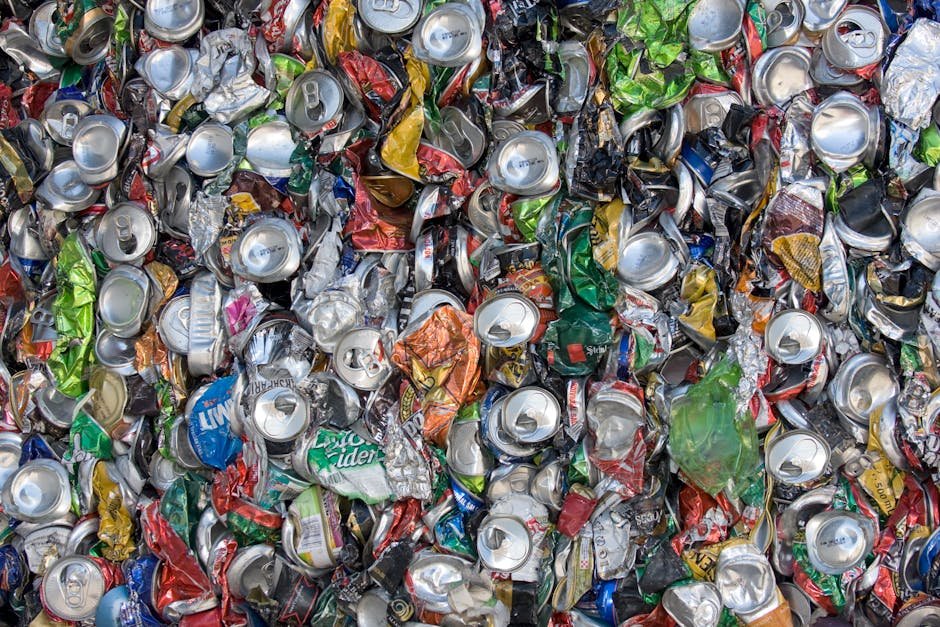
- Post-Consumer Scrap: Collected from used products like aluminium cans, window frames, and automotive components. This category often requires sorting and cleaning to remove contaminants.
- Alloy-Specific Grades: Categorized by alloy numbers (e.g., 1000 series for pure aluminium, 6000 series for heat-treatable alloys). The tread material’s alloy determines its mechanical properties and applications.
Proper grading ensures efficient al recycling and maximizes the value of scrap. Bulk aluminium scrap buying guides often emphasize the importance of accurate grading to avoid devaluation due to cross-contamination.
How Aluminium Scrap Recycling Works
The recycling process for aluminium scrap tread involves several stages, each designed to recover usable metal with minimal energy input:
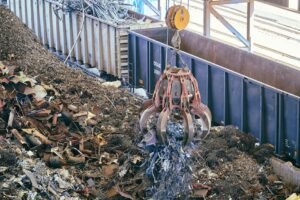
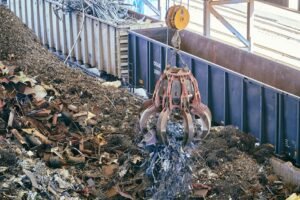
- Collection and Sorting: Scrap is gathered from industrial sites, households, and commercial facilities. Sorting separates aluminium from other metals and contaminants.
- Shredding and Processing: Large treads are shredded into smaller pieces. Post-consumer materials may undergo aluminium extrusion to remove impurities.
- Melting and Refining: The processed scrap is melted in furnaces. Fluxes are added to capture oxides and other impurities, producing high-quality molten aluminium.
- Casting and Reuse: The refined metal is cast into ingots or billets, ready for reuse in manufacturing. This closed-loop system reduces the need for virgin bauxite mining.
Notably, recycling aluminium consumes just 5% of the energy required to produce new aluminium from bauxite. This efficiency makes aluminium scrap tread a key player in reducing industrial carbon footprints.
Environmental Benefits of Recycling Aluminium Scrap Tread
Recycling aluminium scrap tread offers profound environmental advantages, making it a cornerstone of sustainable practices:
- Energy Savings: Producing recycled aluminium saves approximately 95% of the energy compared to primary production. This significantly reduces greenhouse gas emissions.
- Resource Conservation: Recycling delays the depletion of bauxite reserves and reduces the environmental damage from mining and refining operations.
- Landfill Diversion: Proper recycling prevents scrap from entering landfills, where it could take centuries to decompose.
- Carbon Emission Reduction: The al recycling industry in Australia alone prevents millions of tonnes of CO2 emissions annually.
For businesses, leveraging recycled aluminium scrap tread not only supports sustainability goals but also enhances brand reputation and complies with regulations like the National Waste Policy Action Plan.
Practical Tips for Selling Aluminium Scrap Tread
Whether you’re an aluminium scrap seller or a small business owner, maximizing returns requires strategic planning:
- Accurate Grading: Use a magnet test to distinguish aluminium from steel. Separate alloys to avoid devaluation.
- Market Research: Monitor aluminium price fluctuations through platforms like ScrapTrade Australia to time sales effectively.
- Networking: Join the Aluminium Scrap WhatsApp Group to connect with buyers and sellers for competitive pricing.
- Documentation: Maintain records of scrap origins and grades to build trust with recyclers. This is especially critical for post-industrial materials.
For a detailed breakdown of selling strategies, refer to the sell aluminium scrap guide. These steps ensure you receive fair value while supporting the circular economy.
Applications of Recycled Aluminium Scrap Tread
Recycled aluminium scrap tread is versatile, with applications spanning industries:
- Construction: Used in window frames, roofing, and structural components due to its durability and corrosion resistance.
- Automotive: Lightweight recycled aluminium reduces vehicle weight, improving fuel efficiency and meeting emissions standards.
- Packaging: Aluminium cans are a primary use case, with recycling rates exceeding 60% in Australia.
- Electronics: Ideal for heat sinks and casings due to its thermal conductivity and non-magnetic properties.
These applications highlight the importance of maintaining high-quality aluminium scrap tread grades to meet industry-specific demands.
Economic Impact of Aluminium Scrap Recycling
The aluminium recycling sector contributes significantly to Australia’s economy. Key points include:
- Job Creation: The al recycling industry employs thousands in collection, processing, and manufacturing roles.
- Revenue Generation: Aluminium scrap sellers benefit from stable demand, particularly during periods of high aluminium price volatility.
- Export Opportunities: Australia exports recycled aluminium to markets in Asia and Europe, bolstering trade balances.
Businesses can leverage these economic benefits by adopting efficient aluminium scrap tread management practices, ensuring long-term profitability and sustainability.
Challenges in Aluminium Scrap Tread Recycling
Despite its benefits, recycling aluminium scrap tread faces challenges that stakeholders must address:
- Contamination: Mixing different alloys or non-metallic materials reduces the quality of recycled output. Advanced sorting technologies are essential.
- Collection Infrastructure: In rural areas, limited access to recycling facilities hinders efficient al recycling.
- Market Volatility: Aluminium price fluctuations can impact the profitability of scrap sellers and recyclers.
- Regulatory Compliance: Adhering to environmental regulations requires investment in processing equipment and waste management systems.
Collaborative efforts between governments, businesses, and communities are vital to overcoming these hurdles and scaling up recycling initiatives.
Conclusion
Recycling aluminium scrap tread is a sustainable, economically viable solution with wide-ranging benefits. By understanding grades, mastering the recycling process, and leveraging strategic selling techniques, businesses and individuals can contribute to a greener future while maximizing returns. Platforms like Scrap.Trade provide the tools and resources needed to navigate this dynamic market effectively.
Frequently Asked Questions
Why is aluminium scrap tread recycling important?
Recycling aluminium scrap tread conserves natural resources, reduces energy consumption, and minimizes landfill waste. It also lowers carbon emissions compared to producing new aluminium from bauxite.
How can I identify the grade of aluminium scrap tread?
Use alloy markings, conduct magnet tests, and consult grading standards. Post-industrial scrap is typically high-purity, while post-consumer materials require sorting for contaminants.
What role does aluminium extrusion play in recycling?
Aluminium extrusion is often used to process post-consumer scrap, removing impurities and reshaping material for reuse. It enhances the efficiency of recycling operations.
How do I sell aluminium scrap tread for the best price?
Research aluminium price trends, accurately grade your material, and network with buyers through platforms like the Aluminium Scrap WhatsApp Group to secure competitive offers.