
The aluminum recycle value is a critical metric for anyone involved in the Australian scrap metal market, from casual collectors to large‑scale recyclers. Understanding how this value is determined, what influences it, and how to maximize returns can transform a hobby into a profitable business while supporting sustainable practices.
1. Overview of Aluminum Recycling in Australia
Aluminum is one of the most widely recycled metals worldwide, and Australia is no exception. With a robust network of Scrap Trade partners and dedicated recycling centres, the country has established itself as a leader in metal recovery. The process begins with the collection of various forms of aluminum—cans, extrusion profiles, automotive parts, and industrial scrap. These materials are sorted, cleaned, and processed to produce high‑quality feedstock for new aluminium production.
The aluminum recycle value is influenced by several factors: the type of scrap (cans, extrusion, or mixed), its alloy composition, the presence of contaminants, and global aluminium price trends. In 2026, the average price for pure 6061‑grade extrusion scrap hovered around $2.30 per kilogram, whereas mixed or lower‑grade scrap might only command $0.80 per kilogram.
2. Market Dynamics & Pricing Trends
Aluminium pricing is highly cyclical, reacting to supply chain disruptions, energy costs, and international demand—especially from China and the United States. The Aluminum Scrap Price In 2026 article provides a detailed forecast, showing a gradual rise in premium grades due to increased demand for lightweight automotive components.
Key drivers include:
- Purity: Higher purity scrap fetches higher prices.
- Alloy type: 6061 and 7075 alloys command premium rates.
- Contamination: The presence of other metals or non‑metallic materials reduces value.
- Volume: Bulk sales often receive discounts, but large volumes can also negotiate better rates.
- Market sentiment: Global economic conditions affect aluminium demand.
To stay competitive, collectors should monitor the aluminum recycling value page for real‑time updates and compare local rates.
3. The Recycling Process Explained
Recycling aluminium is energy‑efficient, using only about 5% of the energy required to produce new aluminium from bauxite. The standard process involves:
- Collection & Sorting: Items are gathered from households, businesses, and industrial sites.
- Cleaning: Removing contaminants such as paint, plastic, or other metals.
- Melting: Scrap is melted in furnaces at ~660°C.
- Refining: Removing impurities to achieve the desired alloy specification.
- Casting & Rolling: Producing new aluminium products or re‑extruding profiles.
Each step is monitored to maintain quality, ensuring that recycled aluminium meets industry standards for automotive, construction, and packaging applications.
4. Drop‑Off vs. Pickup Services
Collectors have two main options for delivering scrap to recycling centres: drop‑off and pickup service. Both have distinct advantages and considerations.
Drop‑Off: Ideal for small volumes or when you already have access to a local recycling centre. It saves on transport costs but requires you to travel to the facility. Many centres offer a free weigh‑in and immediate payment.
Pickup Service: Best for larger volumes or for businesses that lack transportation. A pickup service will collect your aluminium extrusion, cans, and other scrap directly from your premises, often at a discounted rate per kilogram. However, you should confirm the service provider’s credentials and ensure they have a proper chain‑of‑custody system.
When deciding, consider the weight of your scrap, proximity to a centre, and whether you need to meet a specific deadline for resale.
5. Environmental Impact & Benefits
Recycling aluminium dramatically reduces environmental footprints. Key benefits include:
- Energy Conservation: Recycling uses 90% less energy than primary production.
- Water Savings: The process consumes up to 95% less water.
- Greenhouse Gas Reduction: Recycled aluminium cuts CO₂ emissions by up to 95%.
- Landfill Reduction: Aluminium cans and extrusion waste are diverted from landfills.
These advantages highlight the environmental benefit of choosing responsible Metal Disposal How To Recycle Responsibly And Profitably practices.
6. Practical Tips for Maximising Your Aluminium Scrap Rate
The aluminum scrap rate is a key metric for sellers. Here are actionable steps to improve it:
- Pre‑sort: Separate pure aluminium from mixed or contaminated items before delivery.
- Clean: Remove paint, plastic, and other contaminants to avoid dilution.
- Weigh: Accurate weight measurements prevent underpayment.
- Check alloy: Verify alloy codes (e.g., 6061, 7075) to negotiate premium rates.
- Use reliable partners: Work with established recyclers who provide transparent pricing.
By following these guidelines, you can increase your aluminium scrap rate and ensure fair compensation for your materials.
7. How to Sell Aluminum Cans for Maximum Value
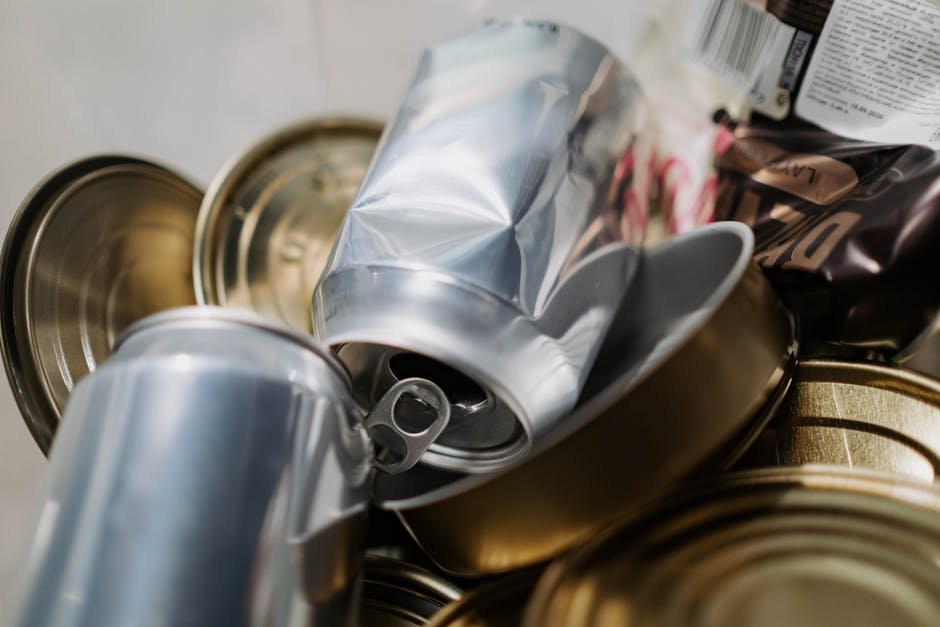
Aluminium cans are a high‑volume, low‑value scrap source. However, strategic selling can boost earnings. The Aluminum Can Prices Todays Market How To Sell Maximize Value article offers a step‑by‑step approach:
- Collect in bulk: The more you gather, the better the rate.
- Keep them dry: Moisture can reduce the scrap’s value.
- Avoid mixing: Keep cans separate from other metals.
- Use a reputable buyer: Compare quotes from multiple recyclers.
- Check local regulations: Some states have specific guidelines for can recycling.
Implementing these practices ensures you receive the best possible price for your aluminium cans.
8. Future Outlook: What Lies Ahead for Aluminium Recycling?
Technological advancements, such as improved alloy separation and AI‑driven sorting, are set to further enhance aluminium recycling efficiency. Additionally, the global push towards electric vehicles (EVs) is increasing demand for lightweight aluminium components, potentially driving up prices for high‑grade extrusion scrap.
Regulatory changes may also influence the market. Governments are tightening emissions standards, which could encourage more recycling to reduce the carbon footprint of new aluminium production.
Staying informed about these trends—through resources like the Scrap Trade portal—will help you anticipate market shifts and adjust your strategy accordingly.
9. Conclusion
Understanding the aluminum recycle value is essential for anyone looking to profit from aluminium scrap while supporting sustainable practices. By mastering the market dynamics, optimizing the recycling process, choosing the right delivery method, and staying abreast of environmental benefits, you can maximize returns and contribute to a greener future.
For more detailed guidance on selling aluminium extrusion, cans, or other scrap, visit our Scrap Trade Australia site and explore additional resources. Remember, the right knowledge and partnerships can transform your scrap collection into a thriving business.
Frequently Asked Questions
What factors determine the aluminium recycle value?
The aluminium recycle value is determined by the scrap’s purity, alloy type, contamination level, and current market demand. Premium alloys like 6061 and 7075 fetch higher prices, while mixed or lower‑grade scrap is valued lower.
How does drop‑off compare to pickup service for aluminium scrap?
Drop‑off is convenient for small volumes and local recycling centres, while pickup service is ideal for large quantities or businesses without transport. Pickup can offer better rates for bulk shipments but may require additional logistics planning.
What environmental benefits come from recycling aluminium?
Recycling aluminium saves up to 95% of the energy and 90% of the water needed for primary production, reduces greenhouse gas emissions by up to 95%, and diverts waste from landfills, providing significant environmental benefits.
Where can I find the latest aluminium scrap price updates?
The latest aluminium scrap price updates can be found on our dedicated pages such as the Aluminum Scrap Price In 2026 and the aluminum recycling value page, which provide real‑time market data.