
The phrase aluminum recycling blacktown represents more than just a local service — it’s a critical component of Australia’s growing circular economy. As one of the most recyclable materials used in construction, manufacturing, and consumer goods, aluminum plays a pivotal role in sustainable waste management. In Blacktown, a thriving hub in Western Sydney, aluminum recycling is both accessible and economically rewarding, thanks to specialized scrap yards, community initiatives, and rising demand for recycled aluminum. Whether you’re a homeowner clearing out old window frames, a contractor managing aluminum extrusion offcuts, or a small business collecting aluminum cans, understanding how to effectively participate in aluminum recycling blacktown operations can lead to financial returns and environmental benefits.
Why Aluminum Recycling Matters in Blacktown
Aluminum recycling blacktown is not just an environmental responsibility — it’s a smart economic decision. Australia recycles approximately 70% of its aluminum beverage cans annually, one of the highest rates globally, and Western Sydney communities like Blacktown are key contributors to this effort. Recycling aluminum uses only 5% of the energy required to produce new aluminum from raw bauxite ore, making it one of the most energy-efficient recycling processes available.
In urban centers like Blacktown, where construction, manufacturing, and consumer activity are high, aluminum scrap accumulates in various forms: from household packaging to industrial offcuts. This creates a steady stream of recyclable material that, when processed correctly, reduces landfill usage, lowers greenhouse gas emissions, and supports local industry. The city’s strategic location near major transport routes and processing centers further strengthens its role in the national aluminum recycling supply chain.
Moreover, aluminum recycling blacktown supports job creation and fosters a resilient local economy. Scrap metal recyclers in the region employ technicians, logistics personnel, and quality control experts who ensure that aluminum scrap is sorted, processed, and prepared for domestic or international markets. This infrastructure makes Blacktown a vital node in the broader network of Scrap Trade Australia, connecting local recyclers with national demand.
Types of Aluminum Scrap Accepted in Blacktown
Not all aluminum is created equal when it comes to recycling value. In aluminum recycling blacktown operations, the classification of aluminum scrap directly impacts the price you receive. Facilities typically categorize aluminum into several grades based on purity, form, and contamination levels.
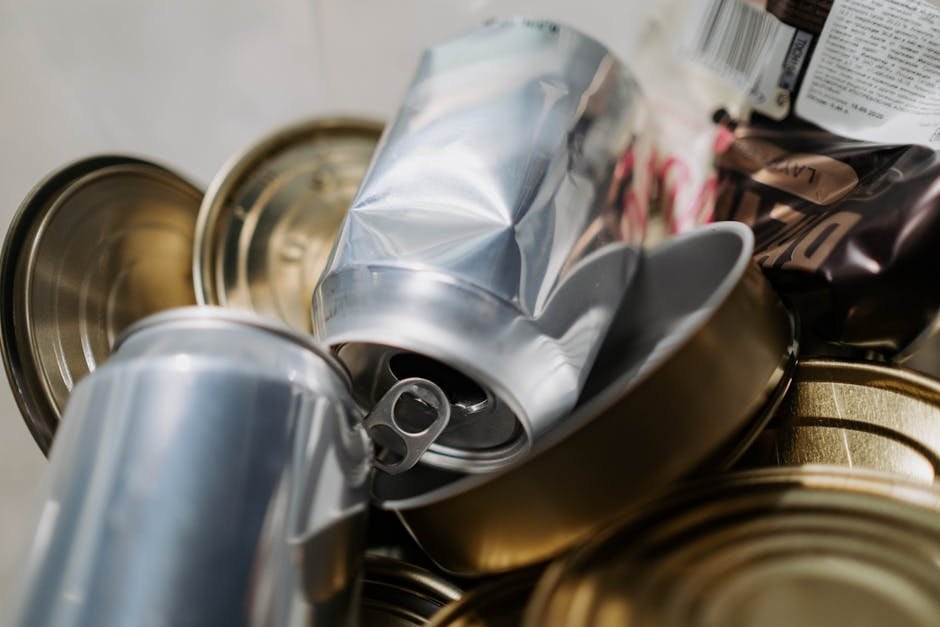
- Aluminum Cans (Beverage and Food Containers): Often referred to as “clean light gauge,” these are the most common form of aluminum scrap collected by households and small businesses. While lightweight, they are highly recyclable and contribute significantly to municipal recycling efforts.
- Aluminum Extrusion (e.g., Window Frames, Siding, and Structural Components): Commonly found in construction and renovation projects, aluminum extrusion is valued for its higher density and structural integrity. When free of contaminants like glass, rubber, or paint, it commands a premium price in the scrap market.
- Aluminum Cast (e.g., Engine Parts, Pots, and Pans): This type contains alloying elements like silicon and iron, which affect its melting point and usability. It’s generally less valuable than pure extrusion but still widely accepted.
- Mixed Aluminum Scrap: A catch-all category that includes shredded or contaminated aluminum. While recyclable, mixed scrap is processed at lower rates due to the need for additional sorting and decontamination.
- Insulated Wire and Composite Materials: Some facilities accept aluminum cable or laminated aluminum (e.g., from packaging), though these require specialized processing to separate non-aluminum components.
Understanding these categories helps recyclers in Blacktown maximize returns. For example, separating clean aluminum extrusion from mixed debris ensures you’re paid at the higher end of the aluminum price spectrum. Facilities often use spectrometers and density tests to verify scrap composition, so transparency and preparation are key.
How Aluminum Prices Are Determined in Blacktown
The aluminum price in Blacktown — like anywhere in Australia — is influenced by a combination of global commodity markets, local supply and demand, and processing costs. While recyclers set their own buy-back rates, these are usually pegged to the London Metal Exchange (LME) benchmark, minus processing and transportation fees.
As of 2024, the average price for clean aluminum scrap in Australia ranges between AUD $2.50 to $3.80 per kilogram, with aluminum extrusion fetching the highest rates. Aluminum cans, while lighter, are often priced slightly lower — typically between $1.80 and $2.70 per kg — due to their lower density and higher volume-to-weight ratio. However, consistent collection and compaction can still make can recycling highly profitable over time.
Several factors influence the fluctuation of aluminum price in the Blacktown region:
- Global Demand: China, the EU, and the US are major importers of recycled aluminum. Trade policies, manufacturing activity, and infrastructure spending in these regions directly impact local scrap prices.
- Energy Costs: Since primary aluminum production is energy-intensive, rising electricity prices can increase the relative value of recycled aluminum, which requires far less energy.
- Exchange Rates: Because aluminum is traded in USD, a weaker Australian dollar can reduce local buy-back prices, even if global rates remain stable.
- Local Competition: The number of scrap metal recyclers in Western Sydney creates competitive pricing. Recyclers in Blacktown often adjust their aluminum price offers to attract volume from contractors, auto shops, and industrial clients.
To get the best aluminum price, recyclers should monitor market trends and time their drop-offs strategically. For detailed insights on maximizing returns from aluminum cans specifically, read our comprehensive guide: Aluminum Can Recycling Prices How To Maximize Your Earnings.
Top Aluminum Recycling Facilities in Blacktown
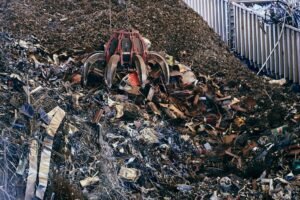
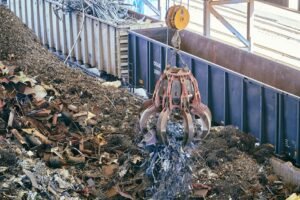
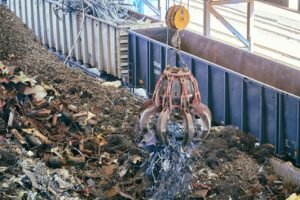
Blacktown hosts several licensed and environmentally compliant scrap metal recycling centers that specialize in aluminum scrap processing. These facilities are equipped with industrial balers, shredders, and sorting systems to handle everything from household aluminum cans to commercial-scale aluminum extrusion loads.
When selecting a recycler, consider the following criteria:
- Licensing and compliance with EPA NSW standards
- Transparency in pricing and weighing procedures
- Ability to handle large-volume drop-offs
- On-site quality control and contamination checks
- Customer service and payment options (cash, EFT, etc.)
Many of these facilities are part of a broader network that includes Scrap Metal Recycling Near Me, a platform that helps users locate certified recyclers across Australia. This ensures that even if Blacktown facilities are at capacity, nearby options in Penrith, Parramatta, or Liverpool remain accessible.
Some recyclers also offer pick-up services for large quantities of aluminum extrusion or construction waste, which is particularly useful for renovation contractors and demolition firms. These services often include full documentation for compliance and tax purposes, adding value beyond simple scrap sales.
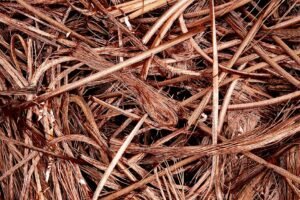
For those exploring related materials, many Blacktown facilities also handle copper recycling blacktown operations. Copper, like aluminum, is a high-value non-ferrous metal, and recycling both together can streamline logistics and increase overall earnings.
Practical Tips for Maximizing Returns in Aluminum Recycling Blacktown
To get the most out of aluminum recycling blacktown programs, follow these expert-backed best practices:
- Sort by Grade: Separate aluminum cans from extrusion, cast, and mixed scrap. Contamination reduces value, so clean separation ensures you’re paid at the highest applicable rate.
- Remove Non-Aluminum Components: Detach steel fittings, plastic liners, rubber seals, or adhesive labels from window frames or composite materials. Even small contaminants can downgrade your entire load.
- Compact When Possible: Use a can crusher or baling machine to reduce the volume of aluminum cans. Denser loads are easier to transport and store, which recyclers often reward with better pricing.
- Accumulate Over Time: Instead of making frequent small trips, store clean aluminum scrap in a dry, secure area and drop off in bulk. Volume discounts are common at industrial recyclers.
- Keep Records: Maintain logs of weights, prices, and dates. This helps track market trends and supports tax reporting if you’re a business.
- Check Prices Weekly: Aluminum price fluctuations mean timing matters. Call ahead or check online portals to compare rates across multiple facilities.
Community groups and schools in Blacktown have successfully used these strategies to fundraise through aluminum can drives. By partnering with local recyclers and leveraging economies of scale, they’ve turned waste into working capital — a model others can replicate.
For more detailed guidance on handling various forms of metal waste, explore our in-depth resource on aluminum scrap recycling, which covers industrial best practices, safety protocols, and market analysis.
Environmental and Community Impact of Aluminum Recycling in Blacktown
The benefits of aluminum recycling blacktown extend far beyond individual profit. Each tonne of recycled aluminum saves approximately 14,000 kWh of energy, 40 barrels of oil, and 10 cubic meters of landfill space. In a city like Blacktown, where population growth and urban development are accelerating, these savings are critical for long-term sustainability.
Local councils and environmental agencies have begun integrating aluminum recycling into broader waste reduction strategies. Public drop-off bins, educational campaigns, and partnerships with private recyclers have increased participation rates across suburbs like Doonside, Glenwood, and Quakers Hill.
Beyond environmental metrics, aluminum recycling fosters community engagement. Initiatives like school can drives, neighborhood collection events, and industrial clean-up days build awareness and collective responsibility. These efforts are supported by platforms such as the Recycling Community, where residents, businesses, and recyclers share tips, success stories, and policy updates.
Furthermore, recycling reduces the need for virgin mining, which has significant ecological and social costs. Bauxite mining, primarily conducted in Queensland and Western Australia, disrupts ecosystems and requires extensive land use. By closing the loop through recycling, Blacktown residents help reduce Australia’s reliance on extractive industries.
The city’s progress in aluminum recycling also aligns with national targets under the National Waste Policy Action Plan, which aims for an 80% average resource recovery rate by 2030. With aluminum already leading in recyclability, expanding local infrastructure and public participation will be key to meeting these goals.
How to Get Started with Aluminum Recycling in Blacktown
Beginning your journey in aluminum recycling blacktown is straightforward and accessible to individuals, businesses, and organizations alike. Start by identifying the types of aluminum scrap you generate — whether it’s household cans, construction offcuts, or industrial waste.
Next, locate a certified recycling facility using tools like ScrapTrade Australia, a trusted platform that connects recyclers with verified buyers and processors. The site provides real-time pricing data, facility locations, and customer reviews to help you make informed decisions.
Prepare your scrap by sorting, cleaning, and compacting it as needed. Label containers clearly and keep different grades separate. When ready, contact the facility to confirm acceptance policies, current aluminum price rates, and any documentation requirements.
For businesses, consider establishing a formal recycling program with regular collection schedules and employee training. This not only improves efficiency but also enhances your environmental credentials — a growing priority for clients and regulators.
Finally, stay informed. Subscribe to industry newsletters, join local sustainability groups, and participate in community events. The more you understand about aluminum recycling blacktown operations, the better positioned you’ll be to contribute meaningfully to the circular economy.
Future Trends in Aluminum Recycling in Western Sydney
The landscape of aluminum recycling blacktown is evolving rapidly, driven by technological innovation, policy changes, and shifting consumer behavior. One emerging trend is the adoption of AI-powered sorting systems in recycling facilities, which use optical sensors and machine learning to identify and separate aluminum alloys with high precision. This improves purity levels and increases the value of recycled output.
Another development is the rise of “urban mining” — the practice of recovering valuable materials from end-of-life products in cities. As Blacktown continues to grow, buildings, vehicles, and electronic devices will become rich sources of secondary aluminum. Forward-thinking recyclers are already investing in dismantling technologies and reverse logistics networks to tap into this stream.
Government incentives are also shaping the future. Programs like the NSW Recycling Industry Strategic Plan provide funding for infrastructure upgrades, workforce training, and public education. These investments are expected to boost aluminum recovery rates and create new job opportunities in the recycling sector.
Additionally, manufacturers are increasingly designing products for recyclability, using mono-materials and minimizing composite structures. This “design for disassembly” approach will make aluminum extrusion and other components easier to reclaim, further strengthening the recycling ecosystem in Blacktown and beyond.
As global pressure mounts to reduce carbon emissions and conserve resources, aluminum recycling blacktown will remain at the forefront of sustainable urban development. By staying informed and actively participating, residents and businesses can help shape a cleaner, more resilient future.
Frequently Asked Questions
Where can I recycle aluminum cans in Blacktown?
You can recycle aluminum cans at licensed scrap metal recycling centers across Blacktown. Many facilities accept household and commercial quantities, with some offering drop-off bins or pick-up services. For a comprehensive list, visit the Scrap Metal Recycling Near Me directory.
How much is aluminum scrap worth in Blacktown?
Aluminum scrap prices in Blacktown typically range from $2.50 to $3.80 per kg for clean extrusion and $1.80 to $2.70 for aluminum cans, depending on market conditions and contamination levels. Always check with local recyclers for live pricing.
Can I recycle aluminum with food residue?
It’s best to clean aluminum items like food trays or cans before recycling. Residual food can contaminate batches and reduce the aluminum price offered by recyclers. Rinsing with water significantly improves recyclability and value.
Is there a difference between aluminum extrusion and cast aluminum in recycling?
Yes, aluminum extrusion is generally purer and more valuable than cast aluminum, which contains alloying elements. Recyclers in Blacktown often pay higher rates for clean extrusion from windows, frames, or siding due to its superior melting and reuse properties.