
Navigating the volatile landscape of aluminum scrap metal prices requires a nuanced understanding of global commodity markets and local Australian supply chains. Whether you are a construction contractor managing site waste or a commercial enterprise looking to optimize your recycling revenue, staying informed on current market trends is essential. Aluminum is one of the most widely recycled materials on the planet, and its infinite recyclability makes it a cornerstone of the circular economy. To get the most accurate valuation for your material, it is important to monitor Current Scrap Metal Prices on a regular basis, as these figures are rarely static.
Understanding How Aluminum Scrap Metal Prices Are Determined
The valuation of aluminum is not arbitrary; it is tied directly to the London Metal Exchange (LME). The LME sets the global benchmark for base metals, which serves as the foundation for the price per tonne paid by refineries. However, the price you receive at a local yard is a ‘net’ price, which accounts for several downstream factors. When calculating your potential return, remember that the Scrap Metal Prices you see in international news are for high-grade, virgin-equivalent ingots, not raw scrap.
Local scrap yards must factor in collection costs, sorting labor, processing (such as shredding or baling), and transportation to smelting facilities. Consequently, the aluminum scrap metal prices offered to the public are adjusted to reflect these operational overheads. Furthermore, the Australian Dollar (AUD) exchange rate plays a significant role, as aluminum is traded globally in USD. When the AUD is strong, imported processing equipment becomes cheaper, but export revenue for scrap may fluctuate, creating a complex balancing act for local traders.
Key Factors Influencing Market Value
Several variables dictate the final aluminum scrap metal prices you will receive at the scale. Understanding these will help you prepare your scrap for maximum profit:
- Purity and Grade: Contamination is the enemy of value. Aluminum mixed with steel screws, plastic, or rubber requires expensive separation processes, which lowers the price per kg.
- Volume and Logistics: Larger quantities often command better rates because they reduce the cost-per-unit for transport and handling.
- Market Demand: The automotive and aerospace industries are major consumers of recycled aluminum. When these sectors are booming, demand for high-quality extrusion increases, driving up prices.
- Energy Costs: Because primary aluminum production is energy-intensive, high electricity prices often lead to a higher demand for secondary (recycled) aluminum, which requires 95% less energy to produce.
For those looking to find a reputable buyer, searching for Scrap Metal Prices Near Me is the best way to get a localized quote that accounts for your specific region’s logistics and demand.
Common Grades of Aluminum Scrap
Not all aluminum is created equal. To maximize your returns, you must be able to distinguish between the various grades that yards accept. Each grade carries a different market rate based on its alloy composition and ease of processing.
Aluminum Extrusion
This is typically found in window frames, door frames, and architectural structures. It is highly valued because it is usually a clean, specific alloy (often 6063). Because it is easily identifiable and low in contaminants, it generally fetches one of the highest prices among aluminum scrap types.
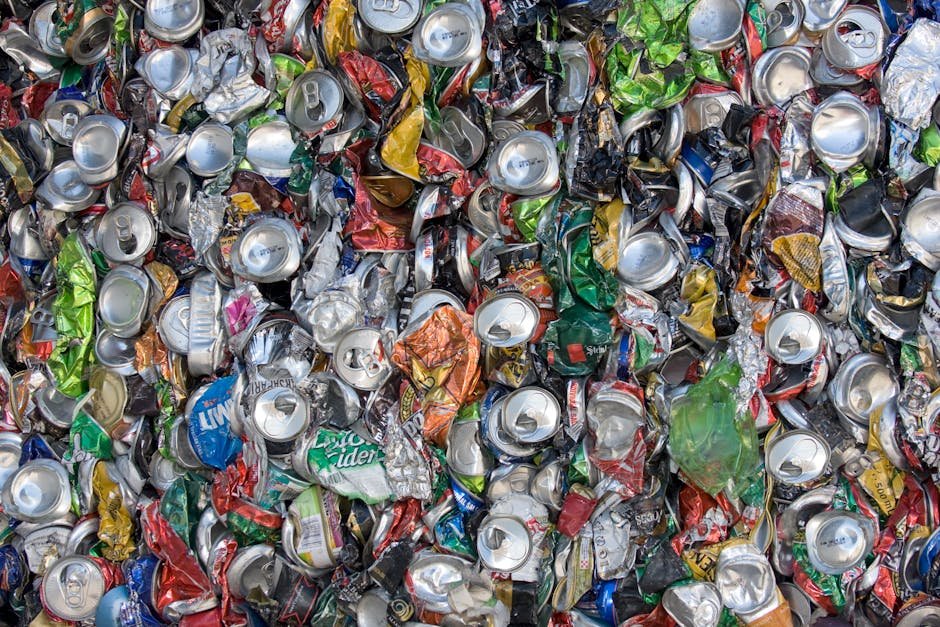
Aluminum Cans (UBC)
Used Beverage Cans (UBC) are a staple of the recycling industry. While they are lightweight, they are extremely efficient to recycle. Collectors often prefer these to be baled or flattened to save space, as volume is the primary challenge with this grade.
Cast Aluminum
Found in engine blocks, transmission housings, and lawnmower decks, cast aluminum contains more alloying elements like silicon. While still valuable, it is processed differently than extrusion and therefore has a distinct price point.
Mixed Aluminum (Irony Aluminum)
This is the lowest grade, consisting of aluminum that is heavily contaminated with other metals, like steel bolts or iron brackets. If you want to improve your margins, separating these attachments before heading to the yard will significantly increase your payout.
For a detailed breakdown of these grades and their current valuations, you should frequently check aluminum scrap prices to ensure you are being paid fairly for the specific material you are holding.
The Aluminum Recycling Process: From Scrap to New Metal
The journey of aluminum from a discarded product to a new material is a marvel of modern engineering. Unlike paper or plastic, which degrade in quality over time, aluminum can be recycled infinitely without losing its physical properties. This is why the industry places such a high premium on aluminum metal recycling prices.
The process begins with collection and sorting. Advanced facilities use eddy current separators, which use magnetic fields to repel non-ferrous metals like aluminum from a waste stream, allowing for automated, high-speed sorting. Once sorted, the aluminum is shredded into small chips to remove coatings, paints, or labels. These chips are then melted in a furnace. The molten metal is refined to remove any remaining impurities before being cast into ingots or billets, which are then sold back to manufacturers to create everything from new car parts to beverage cans.
This efficiency is why the Australian scrap metal market is so vital to global sustainability. By keeping aluminum in the loop, we drastically reduce the need for bauxite mining, which is environmentally destructive and carbon-intensive. Engaging with a professional scrap metal trading platform ensures that your materials are handled according to the highest environmental standards.
Environmental Benefits of Aluminum Recycling
The environmental case for recycling aluminum is undeniable. Primary aluminum production involves mining bauxite ore, refining it into alumina, and then using the Hall-Héroult process—an electrolytic process that requires massive amounts of electricity—to produce aluminum metal. This process is a significant contributor to global greenhouse gas emissions.
By contrast, recycling aluminum requires only 5% of the energy needed to produce primary aluminum from ore. This translates into a 95% reduction in carbon emissions. Furthermore, the recycling process avoids the habitat destruction associated with open-cut bauxite mining. Every kilogram of aluminum you recycle contributes to a lower carbon footprint for the entire manufacturing sector. When you trade your scrap, you aren’t just earning a price per tonne; you are actively participating in the preservation of natural resources and the reduction of industrial waste.
Practical Tips for Maximizing Your Scrap Returns
To ensure you are getting the best possible aluminum scrap metal prices, consider these expert tips:
- Sort at the Source: Never mix grades. Keeping your extrusion separate from your cast aluminum or UBCs will prevent you from being paid the ‘mixed’ rate, which is always the lowest.
- Remove Non-Metal Attachments: If you have an aluminum window frame, take the time to remove the glass, rubber seals, and steel screws. The cleaner the load, the higher the price per kg.
- Understand the Market Cycle: Metal prices today fluctuate based on global economic indicators. If you have a large stockpile, consider holding it if the market is currently in a dip, or sell immediately if prices are peaking.
- Build a Relationship with Your Yard: If you are a regular supplier, yards are more likely to offer you preferential pricing or better service. Consistency and honesty regarding the quality of your loads go a long way.
- Use Digital Tools: Utilize online platforms to track trends. Being informed allows you to negotiate from a position of strength rather than accepting the first offer you receive.
By treating your scrap as a valuable commodity rather than just ‘rubbish,’ you can turn a waste management cost into a reliable revenue stream. Always verify the current market rate before you transport your goods, as transport costs can eat into your profits if you aren’t careful.
The Future of Aluminum Recycling in Australia
Australia is uniquely positioned to lead in the circular economy. With a growing focus on domestic manufacturing and sustainability, the demand for recycled aluminum is expected to rise. As technologies like laser-induced breakdown spectroscopy (LIBS) become more common in scrap yards, the ability to sort alloys with near-perfect precision will increase, further driving up the value of recycled scrap. This technological evolution will continue to reshape the landscape of aluminum scrap metal prices, making it more important than ever for suppliers to stay educated and connected to the market.
Furthermore, as ESG (Environmental, Social, and Governance) reporting becomes mandatory for more businesses, the traceability of recycled materials will become a critical component of the supply chain. Companies that can prove their aluminum is sourced from high-quality, local recycling streams will find themselves with a competitive advantage. Whether you are a small business or a large industrial player, the move toward a circular economy is not just an environmental choice—it is a smart financial strategy.
Conclusion
Understanding the dynamics of aluminum scrap metal prices is the first step toward maximizing the value of your waste materials. By recognizing the importance of material grades, staying updated on global market trends, and ensuring your scrap is clean and sorted, you can significantly improve your returns. Aluminum is a precious resource that should never be sent to a landfill, and through the efforts of professional recycling networks across Australia, we can ensure this metal continues to support our economy and environment for generations to come. Continue to educate yourself, monitor the market, and partner with reputable traders to ensure you are getting the best value for every kilogram you recycle.
Frequently Asked Questions
Why do aluminum scrap metal prices change so often?
Prices change daily based on the London Metal Exchange (LME) index, currency fluctuations between the AUD and USD, and local supply and demand dynamics. Global industrial demand from sectors like automotive and construction also heavily influences these shifts.
What is the best way to get the highest price for my aluminum scrap?
The best way to maximize your return is to sort your scrap by grade (e.g., separating extrusion from cast aluminum) and remove all non-metal contaminants like plastic, rubber, or steel. Clean, sorted material always commands a higher price per kg than mixed or contaminated scrap.
Does the volume of scrap I have affect the price per tonne?
Yes, larger volumes often allow scrap yards to offer better rates because they benefit from economies of scale in transportation and processing. Commercial quantities are generally more profitable to process than small, sporadic household amounts.
Why is it important to remove steel screws from aluminum scrap?
Steel is a magnetic metal, and its presence in an aluminum load classifies it as ‘irony aluminum’ or ‘contaminated.’ This requires extra processing to separate, which significantly lowers the value of the entire load compared to clean, pure aluminum.