
The aluminum scrap rate you receive depends on understanding the different grades of scrap, market conditions, and how to properly prepare your material. This comprehensive guide covers everything Australian scrap sellers need to know about aluminum recycling, pricing, and maximizing returns.
Understanding Aluminum Scrap Grades and Classifications
Aluminum scrap classification directly impacts the aluminum scrap rate you’ll receive. The industry uses specific grades that determine value and recyclability. Clean, sorted aluminum extrusion typically commands the highest prices, while mixed or contaminated scrap receives significantly lower rates.
Grade 6063 Extrusion: This premium grade includes clean aluminum extrusion from window frames, door frames, and structural components. Must be free of steel, plastic, and other contaminants. Current aluminum scrap rate for this grade ranges from $1.20-$1.50 per kg in major Australian markets.
Grade 6061 Extrusion: Slightly lower value than 6063, this includes structural aluminum extrusion from construction and manufacturing. The aluminum scrap rate for 6061 typically runs 10-15% below 6063 prices.
Mixed Aluminum: Contains various aluminum alloys without separation. This grade receives the lowest aluminum scrap rate, often 40-50% below clean extrusion prices. Proper sorting can increase value significantly.
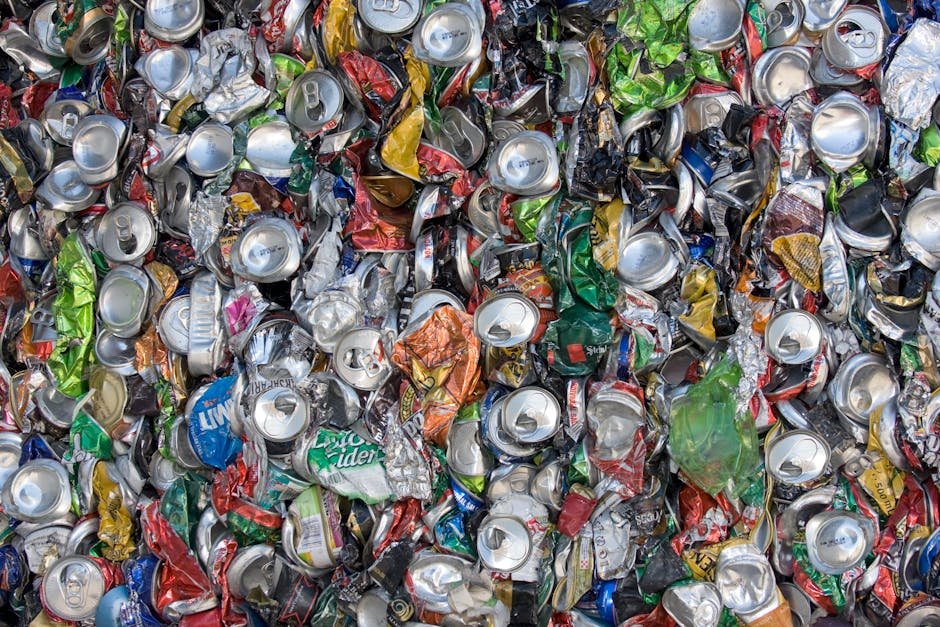
Aluminum Cans (UBC): Used Beverage Cans represent a major recycling stream. While individual can value is low, bulk quantities generate competitive rates. The aluminum price for UBC typically tracks LME prices minus processing costs.
Cast Aluminum: Includes engine blocks, transmission cases, and other cast components. Contains higher silicon content, affecting the aluminum scrap rate received. Usually priced 20-30% below extrusion grades.
Aluminum Turnings and Borings: Machining waste containing cutting oils and contaminants. Requires processing before recycling, resulting in lower aluminum scrap rate. Often 50-60% below clean material prices.
How Aluminum Recycling Works: From Scrap to New Products
The aluminum recycling process transforms scrap into valuable raw material for manufacturing. Understanding this process helps explain pricing mechanisms and quality requirements that affect your aluminum scrap rate.
Collection and Sorting: Scrap aluminum arrives at recycling facilities where it’s sorted by grade and alloy type. Advanced facilities use X-ray fluorescence (XRF) analyzers to identify exact alloy compositions, ensuring accurate pricing and processing.
Processing and Cleaning: Contaminants like steel screws, plastic, and rubber must be removed. Magnets separate ferrous materials, while manual sorting removes non-metallics. Clean material commands higher aluminum scrap rate premiums.
Shredding and Melting: Clean aluminum scrap is shredded into smaller pieces to increase surface area for efficient melting. Furnaces operate at 660°C, requiring 95% less energy than producing primary aluminum from bauxite ore.
Alloy Adjustment: Molten aluminum is analyzed and adjusted to meet specific alloy requirements. Elements like silicon, magnesium, and copper are added to achieve desired properties for end-use applications.
Casting and Rolling: Processed aluminum is cast into ingots, billets, or rolled into sheets. These products feed manufacturing industries, completing the recycling loop. The efficiency of this process supports competitive aluminum scrap rate pricing.
Environmental Benefits of Aluminum Recycling
Aluminum recycling delivers significant environmental advantages that extend beyond the aluminum scrap rate you receive. These benefits drive government policies and industry initiatives supporting scrap collection and processing.
Energy Conservation: Recycling aluminum uses 95% less energy than primary production. This massive energy saving translates to reduced greenhouse gas emissions and lower environmental impact. Every tonne of recycled aluminum saves 14,000 kWh of electricity.
\n
Infinite Recyclability: Aluminum can be recycled indefinitely without losing properties. This infinite recyclability means your scrap aluminum contributes to a circular economy, reducing demand for primary aluminum production.
Landfill Diversion: Aluminum recycling keeps valuable material out of landfills. In Australia, aluminum recycling rates exceed 70% for beverage cans, with room for improvement in construction and industrial sectors.
Carbon Footprint Reduction: Recycling one tonne of aluminum prevents nine tonnes of CO2 emissions compared to primary production. This significant carbon saving supports Australia’s climate goals and sustainability initiatives.
Maximizing Your Aluminum Scrap Rate: Practical Tips
Getting the best aluminum scrap rate requires preparation, timing, and understanding market dynamics. These practical strategies help Australian scrap sellers optimize returns.
Proper Sorting: Separate different aluminum grades to receive premium pricing for clean materials. Mixed scrap receives the lowest aluminum scrap rate, so invest time in proper segregation. Remove steel screws, plastic, and other contaminants.
\n
Market Timing: Aluminum prices fluctuate based on LME pricing, currency exchange rates, and local demand. Monitor market trends and consider holding material during low-price periods. Check current Aluminum Scrap Price In 2026 projections for strategic planning.
Volume Consolidation: Larger quantities often receive better aluminum scrap rate pricing. Consider accumulating material before selling, but balance against storage costs and price volatility risks.
Transportation Efficiency: Factor transportation costs into your net returns. Local recyclers may offer competitive rates with lower logistics expenses. For scrap aluminum sydney suppliers, proximity to port facilities can provide additional marketing options.
Quality Documentation: Maintain records of material composition and weights. Some buyers offer premium aluminum scrap rate for well-documented, consistent quality material streams.
International Markets and Export Opportunities
The global nature of aluminum recycling creates opportunities beyond domestic markets. Understanding international dynamics helps Australian sellers maximize aluminum scrap rate returns.
Asian Market Demand: Countries like India, China, and Vietnam represent significant aluminum scrap importers. Comparing Scrap Rate India with domestic pricing reveals arbitrage opportunities for bulk sellers.
Export Documentation: International sales require proper documentation including ISRI specifications, packing lists, and certificates of analysis. Clean, well-documented material commands premium aluminum scrap rate pricing in export markets.
Container Optimization: Efficient container loading maximizes freight utilization and profitability. Standard 20-foot containers hold approximately 20-22 tonnes of dense aluminum scrap. Proper loading techniques prevent damage and maintain quality.
Payment Terms: International transactions typically use letters of credit or documentary collections. Understanding these mechanisms protects sellers while enabling access to competitive aluminum scrap rate pricing from overseas buyers.
Market Access: For sellers interested in export opportunities, resources like How To Sell Aluminum Scrap In Bulk Internationally provide valuable guidance on entering global markets.
Comparing Aluminum with Other Scrap Metals
Understanding relative pricing helps contextualize aluminum scrap rate expectations. Aluminum typically offers better value than ferrous scrap but trails copper and nickel alloys.
Aluminum vs Steel: While scrap steel rate typically ranges $0.20-$0.40 per kg, aluminum scrap rate usually exceeds $1.00 per kg for clean material. This 3-5x premium reflects aluminum’s higher value and recycling efficiency.
Aluminum vs Copper: Copper scrap commands 3-4x higher prices than aluminum due to superior conductivity and corrosion resistance. However, aluminum’s lighter weight and abundance make it more practical for many applications.
Market Correlation: Aluminum prices correlate with broader economic indicators including construction activity, automotive production, and consumer spending. This relationship affects aluminum scrap rate volatility and long-term trends.
Future Trends and Market Outlook
The aluminum recycling industry faces evolving dynamics that will impact future aluminum scrap rate pricing and opportunities.
Decarbonization Initiatives: Global efforts to reduce carbon emissions favor aluminum recycling over primary production. This trend supports long-term demand for scrap aluminum and potentially higher aluminum scrap rate pricing.
Circular Economy Policies: Australian and international policies promoting circular economy principles increase recycling infrastructure investment. These developments create more competitive markets for scrap suppliers.
Technology Advancements: Improved sorting technologies using artificial intelligence and spectroscopy enable better scrap identification and pricing. These innovations help sellers receive fair aluminum scrap rate based on actual material composition.
Electric Vehicle Growth: The transition to electric vehicles increases aluminum usage in lightweighting applications. This trend supports long-term aluminum demand and recycling opportunities.
Trade Policy Impacts: International trade policies affecting scrap flows between countries create market volatility. Staying informed about policy changes helps optimize selling strategies and timing.
For current market information and trading opportunities, visit Scrap Metal Trading Platform or Australian Scrap Trading Marketplace for local market insights.
Conclusion
Understanding aluminum scrap rate dynamics empowers Australian sellers to maximize returns while contributing to environmental sustainability. Success requires mastering scrap classification, timing market cycles, and building relationships with reputable buyers.
The aluminum recycling industry offers significant opportunities for those willing to invest in proper sorting, quality control, and market knowledge. As global demand for recycled aluminum continues growing, informed sellers can capitalize on favorable pricing while supporting circular economy principles.
Whether you’re a small generator with occasional aluminum scrap or a large industrial producer, applying the strategies in this guide helps optimize your aluminum scrap rate returns. Stay informed about market developments, maintain quality standards, and consider both domestic and international sales channels for maximum profitability.
Frequently Asked Questions
What factors determine aluminum scrap rate pricing?
Aluminum scrap rate depends on grade, cleanliness, market conditions, and quantity. Clean aluminum extrusion commands premium prices while mixed scrap receives significant discounts. LME pricing and local demand also impact daily rates.
How can I get the best aluminum scrap rate for my material?
Maximize returns by properly sorting different grades, removing contaminants, timing market cycles, and consolidating volumes. Building relationships with multiple buyers ensures competitive pricing for your scrap aluminum.
Is aluminum can recycling profitable compared to other grades?
Aluminum cans typically receive lower per-kg rates than clean extrusion but offer consistent volume opportunities. Bulk quantities of cans can generate competitive returns, especially when collected through community programs.
Should I sell locally or export my aluminum scrap?
Local sales offer convenience and faster payment while export markets may provide premium pricing for bulk quantities. Compare domestic aluminum scrap rate with international offers, factoring in logistics costs and payment terms.