
Aluminum scrap recycling is a vital process that transforms discarded aluminum into reusable material, reducing the need for raw bauxite mining and lowering energy consumption. In Australia, this practice supports both environmental sustainability and economic efficiency. Whether you’re a homeowner disposing of old aluminum cans or a business managing industrial aluminum extrusion waste, understanding the grades, processes, and benefits of recycling ensures you maximize value and minimize waste.
Overview of Aluminum Scrap Recycling
Aluminum is one of the most recycled materials globally due to its infinite recyclability and energy efficiency. Aluminum scrap recycling encompasses a wide range of materials, from household items like beverage cans to industrial components like construction aluminum extrusion and automotive parts. The process not only diverts waste from landfills but also reduces greenhouse gas emissions and conserves natural resources. For businesses and individuals, recycling aluminum is both an eco-friendly and cost-effective choice.
Grades of Aluminum Scrap
Aluminum scrap is categorized into grades based on its source, composition, and condition. Understanding these classifications helps recyclers and traders maximize value and efficiency. The primary grades include:
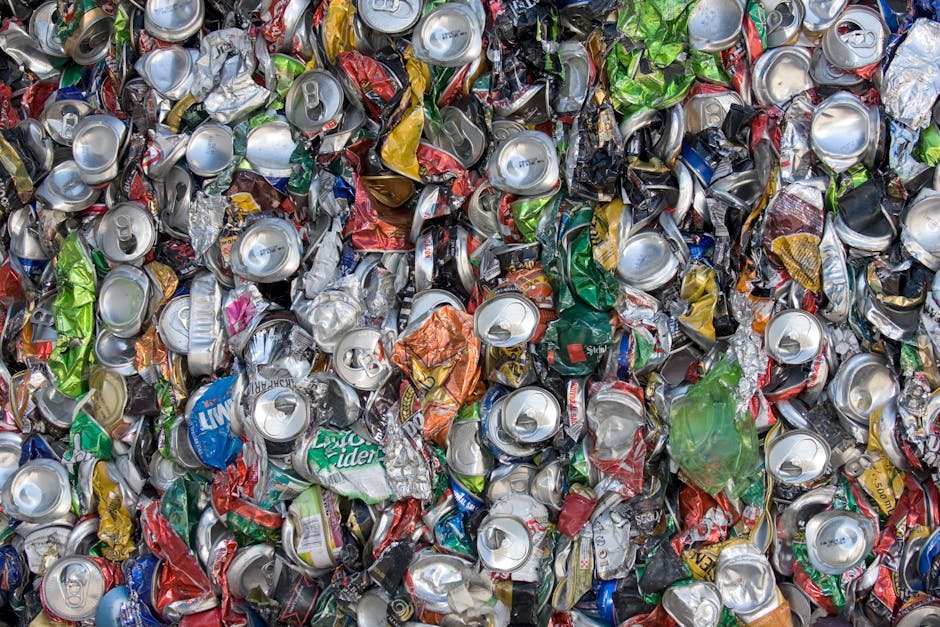
- Clean Aluminum: Free from contaminants and includes items like aluminum cans, clean sheet metal, and undamaged aluminum extrusion.
- Mixed Aluminum: Contains a blend of materials, such as cans, wires, and parts, requiring additional sorting and processing.
- Pre-Consumer Scrap: Generated during manufacturing, such as dross, turnings, and trimmings, which are often high-purity and easier to recycle.
- Post-Consumer Scrap: Discarded end-use products like beverage cans, food containers, and old appliances, which require more extensive cleaning and sorting.
For detailed guidance on sorting and grading, explore aluminium scrap recycling practices specific to your region.
How Aluminum Scrap Recycling Works
The aluminum scrap recycling process involves several stages to ensure the material is efficiently reprocessed:
- Collection: Scrap aluminum is gathered from households, businesses, and industrial facilities. Scrap Metal Recycling Near Me services streamline this process by offering pickup or drop-off points.
- Sorting and Cleaning: Scrap is sorted by grade and cleaned to remove contaminants like plastics, coatings, or other metals. Advanced systems use X-ray fluorescence to identify impurities.
- Shredding/Shearing: Larger items like aluminum extrusion profiles or sheets are shredded into smaller pieces for uniform melting.
- Melting: Cleaned scrap is melted in specialized furnaces. This step consumes up to 95% less energy than producing aluminum from raw bauxite.
- Casting and Refining: Molten aluminum is cast into ingots or sheets, ready for reuse in manufacturing. Further refining ensures purity levels meet industry standards.
Stay updated on aluminum price trends to optimize the value of your scrap using Aluminum Scrap Price In 2026 projections.
Environmental Benefits of Recycling Aluminum
Aluminum scrap recycling significantly reduces the environmental footprint of aluminum production. Key benefits include:
- Energy Savings: Recycling aluminum saves 95% of the energy required to produce new aluminum from bauxite ore.
- Reduced Emissions: Lower energy consumption translates to fewer carbon dioxide emissions, combating climate change.
- Resource Conservation: Recycling reduces the need for bauxite mining, preserving ecosystems and reducing land degradation.
- Waste Reduction: Diverts millions of tons of aluminum from landfills, extending landfill lifespans and reducing pollution.
For businesses, integrating aluminum scrap recycling into operations aligns with corporate sustainability goals and may qualify for environmental certifications.
Practical Tips for Effective Aluminum Scrap Recycling
Whether recycling small or large quantities, these tips ensure efficiency and profitability:
- Sort by Grade: Separate clean and mixed aluminum to avoid contamination and maximize value.
- Rinse and Clean: Remove food or liquid residues from aluminum cans to reduce impurities.
- Check Local Guidelines: Use scrap metal recycling near me services to confirm accepted materials and pricing.
- Maximize Volume: Consolidate small batches for better recycling rates and cost savings.
- Stay Informed: Monitor aluminum price fluctuations to time your recycling for optimal returns.
Aluminum Recycling vs. Scrap Trading: Understanding the Difference
While both practices involve reusing materials, scrap trading vs recycling business differs in process and purpose:
- Scrap Trading: Involves buying and selling raw scrap materials, often for profit, without immediate processing.
- Recycling: Focuses on reprocessing materials into new products, emphasizing sustainability and resource recovery.
Choosing between these options depends on your goals—profit maximization or environmental impact reduction.
Conclusion: Embracing Aluminum Scrap Recycling
Aluminum scrap recycling is a cornerstone of sustainable resource management in Australia. By understanding grades, processes, and benefits, individuals and businesses can contribute to a circular economy while reducing costs. Platforms like scrap.trade and scraptrade.com.au offer streamlined solutions for efficient recycling and trading. As the aluminum price market evolves, staying informed ensures you capitalize on opportunities while supporting environmental stewardship.
FAQs
What are the most common grades of aluminum scrap?
The most common grades include clean aluminum (e.g., aluminum cans), mixed aluminum, pre-consumer scrap (manufacturing waste), and post-consumer scrap (discarded products).
How does recycling aluminum benefit the environment?
Recycling aluminum saves 95% of the energy required to produce new aluminum, reduces greenhouse gas emissions, and conserves bauxite resources.
Can I recycle aluminum at home?
Yes! Clean and sort aluminum scrap metal recycling near me services collect household items like cans, foil, and appliances.
How do I maximize the value of my aluminum scrap?
Sort by grade, remove contaminants, and monitor aluminum price trends to recycle at optimal times.
Related: aluminium scrap recycling
Related: scrap metal recycling near me
Frequently Asked Questions
What are the most common grades of aluminum scrap?
The most common grades include clean aluminum (e.g., aluminum cans), mixed aluminum, pre-consumer scrap (manufacturing waste), and post-consumer scrap (discarded products).
How does recycling aluminum benefit the environment?
Recycling aluminum saves 95% of the energy required to produce new aluminum, reduces greenhouse gas emissions, and conserves bauxite resources.
Can I recycle aluminum at home?
Yes! Clean and sort aluminum scrap metal recycling near me services collect household items like cans, foil, and appliances.
How do I maximize the value of my aluminum scrap?
Sort by grade, remove contaminants, and monitor aluminum price trends to recycle at optimal times.