
Navigating the aluminum scrap Sackville landscape requires more than just gathering metal; it demands an understanding of global markets, material grades, and the logistical requirements of a circular economy. Whether you are a local contractor, an industrial manufacturer, or a recycling enthusiast, understanding how to maximize the value of your scrap is essential. As the industry evolves, staying informed on the aluminum scrap prices is the first step toward turning waste into a profitable asset. This guide serves as your authoritative resource for everything related to the trade and processing of aluminum.
Understanding the Aluminum Scrap Sackville Market Dynamics
The market for aluminum scrap in the Sackville region is heavily influenced by domestic industrial demand and international export opportunities. Aluminum is a non-ferrous metal, meaning it does not lose its chemical properties during the recycling process, making it infinitely recyclable. This characteristic is the cornerstone of the What Scrap Trade Actually Is concept, which focuses on the efficient movement of secondary raw materials from waste streams back into production cycles. When you engage with the local market, you are participating in a global supply chain that balances supply and demand across continents.
For those looking to scale their operations, understanding the Aluminum Scrap Price In 2026 projections is vital for long-term planning. The price volatility is often tied to the London Metal Exchange (LME) and local processing costs. By tracking the price of scrap aluminum per kg, sellers can time their sales to coincide with market peaks. Effective trading requires a deep dive into the specific grades of metal, as purity dictates the final payout. Dealers in Sackville categorize scrap based on alloy composition, contamination levels, and physical form.
Common Grades of Aluminum Scrap
Not all aluminum is created equal. The value of your material depends on its grade, which is determined by the specific alloy and the amount of impurities present. Understanding these grades is critical for anyone looking to optimize their returns.
- Aluminum Extrusion (6063): This is one of the most common forms of high-value scrap. It is typically found in window frames, door frames, and architectural components. Because it is a relatively pure alloy, it commands a premium price.
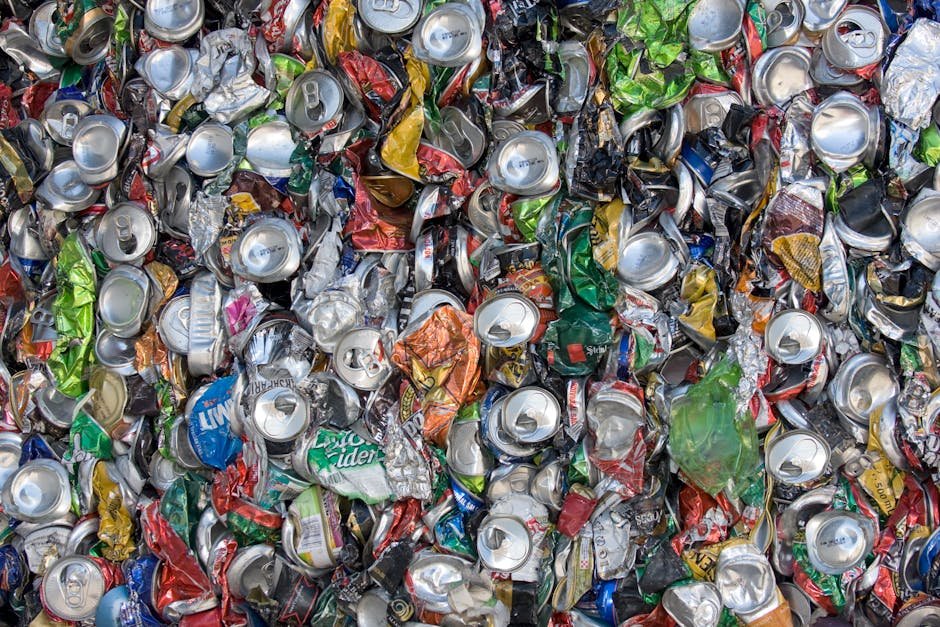
- Aluminum Cans (UBC): Used Beverage Cans (UBC) are a staple of the recycling industry. They are lightweight and easy to transport, though they require specific processing to remove coatings and contaminants.
- Cast Aluminum: Often found in engine blocks, transmission housings, and lawnmower parts, cast aluminum contains higher levels of silicon, which changes its recycling pathway compared to wrought alloys.
- Aluminum Turnings and Borings: These are the byproduct of machining processes. While they are high-quality alloys, their high surface area makes them prone to oxidation, which can lower their value if not handled correctly.
- Aluminum Wire and Cable: Often found in electrical infrastructure, these are highly sought after for their conductivity and purity.
When dealing with aluminum scrap Sackville facilities, ensure your material is segregated by grade. Mixing high-value extrusions with lower-value cast aluminum will inevitably result in a lower price per kilogram for the entire batch. Using a reputable platform like Scrap Trade Australia can help you identify the best local buyers for your specific material grade.
The Aluminum Recycling Process: From Scrap to Ingot
The transformation of scrap metal into new products is a fascinating industrial process that minimizes environmental impact. It begins with collection and transportation to a processing facility. Once at the facility, the scrap undergoes several stages of refinement. First, it is shredded to reduce its volume and facilitate the removal of non-metallic contaminants like plastic, rubber, and steel. Magnetic separators are used to pull out any ferrous metals that may have been mixed in.
Next, the aluminum undergoes a process known as ‘decoating’ or ‘delacquering’ if it involves painted materials or cans. This removes organic coatings that would otherwise contaminate the molten metal. The cleaned scrap is then charged into a furnace and melted at approximately 660°C. During the melting phase, fluxing agents are added to remove impurities, and the alloy composition is adjusted to meet specific metallurgical standards. Finally, the molten metal is cast into ingots, billets, or slabs, which are then sold to manufacturers to create new products. This closed-loop system is the definition of sustainable manufacturing.
Environmental Benefits of Aluminum Recycling
The environmental case for recycling aluminum is overwhelming. Producing primary aluminum from bauxite ore is an energy-intensive process that involves mining, refining, and the electrolysis of alumina. By choosing to recycle, we bypass the most energy-heavy steps of this production cycle. Recycling aluminum saves approximately 95% of the energy required to produce primary aluminum. This reduction in energy consumption directly translates to a significant decrease in greenhouse gas emissions.
Furthermore, recycling preserves natural resources and reduces the need for destructive mining practices. The landfill space saved by diverting aluminum from trash streams is also a major benefit. In the context of a circular economy, every kilogram of aluminum that is recycled is a victory for environmental conservation. For businesses in Sackville, adopting a robust recycling strategy is not just a financial decision; it is a commitment to corporate social responsibility and a lower carbon footprint.
Logistics and Selling at Scale
For large-scale generators of scrap, logistics play a pivotal role in profitability. Transporting low-density scrap like aluminum cans can be expensive due to the volume-to-weight ratio. Compacting your scrap into bales is a standard industry practice that significantly reduces shipping costs. If you are producing large volumes of aluminum, you should investigate How To Sell Aluminum Scrap In Bulk Internationally to tap into higher-margin markets. Global trading requires compliance with international standards such as ISRI (Institute of Scrap Recycling Industries) specifications.
When preparing your shipment, documentation is key. You will need to provide accurate weight certificates, material analysis reports, and shipping manifests. Working with a professional scrap metal trading platform can streamline this process by connecting you with verified buyers who have the infrastructure to handle large, international consignments. Always ensure your scrap is clean and free of hazardous materials, as contamination can lead to rejected loads and financial penalties.
Practical Tips for Maximizing Scrap Value
To get the most out of your aluminum scrap Sackville collection, follow these expert tips:
- Keep it Clean: The cleaner the scrap, the higher the price. Remove as much non-aluminum material (screws, glass, plastic, wood) as possible before selling.
- Sort by Alloy: As mentioned, segregation is the most effective way to increase your payout. If you are unsure about the alloy, use a handheld XRF (X-ray fluorescence) analyzer if available, or consult with your buyer.
- Bale Your Material: If you have high volumes, invest in a baler. Baled material is much easier to transport and store, and it is preferred by smelters.
- Monitor the Market: Don’t sell blindly. Use online resources to watch price trends and sell when the market is favorable.
- Build Relationships: Developing a long-term relationship with a local yard or trader can lead to better pricing and more reliable service.
By implementing these strategies, you can transform your waste management from a cost center into a reliable revenue stream. The key is consistency and attention to detail, ensuring that every batch of scrap you process meets the highest industry standards.
The Future of Aluminum Recycling
The future of the aluminum scrap industry is bright, driven by the global transition toward sustainable materials. As automotive manufacturers shift toward electric vehicles, the demand for lightweight, high-strength aluminum alloys is skyrocketing. This ‘lightweighting’ trend ensures that the value of aluminum scrap will remain high for the foreseeable future. Furthermore, advancements in automated sorting technology, such as AI-driven optical sorters, are making it easier than ever to separate complex alloys with high precision.
As we move toward 2030, the emphasis will be on traceability. Buyers will increasingly require proof of the origin and carbon footprint of their raw materials. Being able to document your recycling practices will become a competitive advantage. The industry is moving away from the ‘dump and hope’ model and toward a sophisticated, data-driven supply chain where quality and transparency are the primary currencies. By staying ahead of these trends, those involved in the Sackville scrap market will be well-positioned to thrive in the years to come.
Conclusion
The aluminum scrap industry is a vital component of the modern economy, bridging the gap between waste management and sustainable manufacturing. By understanding the nuances of material grades, the efficiency of the recycling process, and the importance of market timing, you can maximize the value of your scrap while contributing to a greener planet. Whether you are a small-scale recycler or a large industrial producer, the principles discussed in this guide provide the foundation for success. Remember, every kilogram of aluminum you recycle is a step toward a more sustainable future. Stay informed, stay organized, and leverage the right tools to ensure your scrap trade operations are as profitable and efficient as possible.
Frequently Asked Questions
How can I tell the difference between aluminum grades?
The most accurate way is through an XRF analyzer, which provides a chemical breakdown of the alloy. Visually, extrusions are typically uniform in shape and color, while cast aluminum often has a rougher, grainy texture and is thicker.
Does the price of aluminum scrap change daily?
Yes, aluminum scrap prices fluctuate based on the London Metal Exchange (LME) and local market demand. It is recommended to check current rates regularly before finalizing a sale.
What is the most important factor in getting a better price for my scrap?
Purity is the most important factor. Removing contaminants like steel, plastic, and rubber will significantly increase the value of your aluminum scrap.
Is it worth recycling small amounts of aluminum?
While small amounts might not yield significant financial returns, it is always environmentally beneficial. For better financial returns, it is best to accumulate larger quantities before selling to minimize transportation costs.