When searching for ame scrap metal revesby, it is essential to understand that you are engaging with a vital link in Australia’s industrial supply chain. Recycling metal is not merely about clearing out a garage or a job site; it is a sophisticated process that conserves natural resources, reduces energy consumption, and supports the local economy. Whether you are a tradesperson, a construction manager, or a homeowner, knowing how to categorize your scrap and where to take it can significantly impact your financial returns and environmental footprint.
The Importance of Metal Recycling in Australia
The Australian metal recycling industry is a cornerstone of the nation’s commitment to sustainability. By diverting waste from landfills, recycling facilities ensure that valuable materials like copper, aluminium, and steel remain in circulation. For those looking to Sell Scrap Metal Near Me In 2026, the market is shifting toward more transparent, technology-driven trading platforms. The process begins with collection and ends with the manufacturing of new products, closing the loop on raw material extraction.
When you visit a facility like ame scrap metal, you are participating in a global movement to reduce carbon emissions. Mining for virgin ore is an energy-intensive process that releases greenhouse gases and disrupts local ecosystems. In contrast, recycling aluminium, for example, uses 95% less energy than producing it from bauxite ore. This massive energy saving is why scrap metal is considered a high-value commodity in the modern industrial landscape.
Understanding Metal Grades: Ferrous vs. Non-Ferrous
To maximize the value of your scrap, you must distinguish between the two primary categories: ferrous and non-ferrous. Ferrous metals contain iron and are generally magnetic. Common examples include steel, iron, and stainless steel. These are frequently found in construction materials, old appliances, and structural beams. Because they are abundant, they are usually priced lower per kilogram than non-ferrous metals, but they are essential for large-scale industrial recycling.
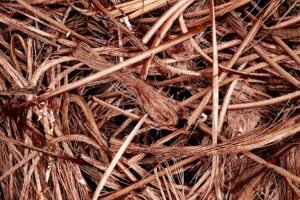
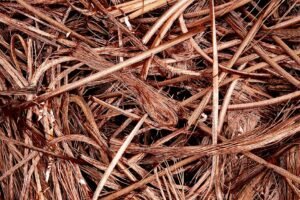
Non-ferrous metals, on the other hand, do not contain iron and are typically more valuable. This category includes copper, brass, aluminium, lead, and zinc. These metals are highly resistant to corrosion and maintain their chemical properties regardless of how many times they are recycled. If you are looking for Scrap Metal Recycling Near Me, you will find that facilities prioritize these materials because of their high demand in the automotive, electrical, and aerospace industries.
When you bring your materials to ame scrap metal revesby, the staff will perform a grade assessment. They look for purity, cleanliness, and the absence of contaminants like plastic, rubber, or wood. A clean load of copper piping will always fetch a higher price than a load of copper mixed with insulation and steel fittings. Understanding these nuances is key to mastering the Scrap Metal Prices currently offered in the market.
The Lifecycle of Scrap: How Recycling Works
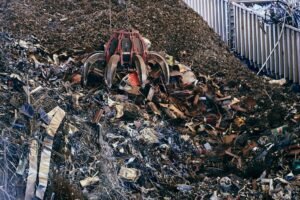
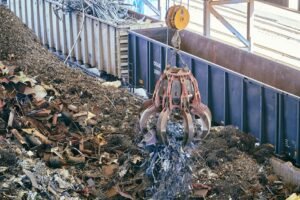
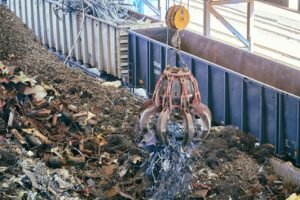
The journey from a discarded piece of metal to a new product is a multi-stage process. First, the metal is collected and sorted at a facility. Advanced technology, such as magnetic separators and eddy current separators, is used to pull ferrous and non-ferrous metals apart. Once sorted, the material is processed—often shredded or baled—to reduce its volume for efficient transport.
After processing, the scrap is melted down in a furnace. This is where the magic happens: the molten metal is refined to remove impurities and then cast into ingots or billets. These standardized forms are then sold to manufacturers to create everything from new car parts to beverage cans. This infinite recyclability is what makes metal one of the most sustainable materials on the planet.
For those located in other regions, such as those searching for scrap metal windsor, the operational standards remain consistent. Proper sorting at the source is the most impactful step a recycler can take. By keeping your metals separated by type before arriving at the yard, you save the facility time and ensure you receive the most accurate weight and grade assessment for your materials.
Environmental Benefits of Professional Recycling
The environmental impact of recycling cannot be overstated. Beyond energy savings, recycling reduces the need for destructive mining practices. Open-cut mining and dredging for metals often lead to deforestation, water pollution, and the displacement of wildlife. By choosing to recycle, you are directly contributing to the preservation of biodiversity.
Furthermore, recycling reduces the volume of waste sent to landfills. Metals in landfills can leach toxic chemicals into the soil and groundwater over time. By utilizing a professional scrap metal trading platform, you ensure that your waste is handled in compliance with environmental regulations. This is a critical aspect of responsible waste management, especially as Australia moves toward a more circular economy model.
Practical Tips for Scrap Metal Sellers
If you are planning a trip to a recycling center, preparation is your best friend. First, use a magnet to sort your ferrous metals from your non-ferrous metals at home. Second, remove any non-metallic attachments. A copper radiator will be worth significantly more if you remove the plastic housing and steel brackets. Third, keep your materials dry and free of debris. Contaminated loads are often downgraded, which can cost you money.
It is also wise to check the current market trends. Metal prices fluctuate based on global demand, currency exchange rates, and industrial output. Staying informed via a professional scrap metal trading website can help you decide the best time to sell. If you have a large quantity of scrap, consider calling the yard ahead of time to discuss logistics, such as bin hire or heavy-duty transport services.
The Future of Metal Trading in Australia
As we look toward 2026 and beyond, the scrap metal industry is becoming more digitized. We are seeing the rise of real-time tracking, transparent pricing, and improved logistics that make it easier for the average person to participate in the recycling economy. Ame scrap metal revesby and similar operators are at the forefront of this shift, adopting better sorting technologies and cleaner processing methods to meet the growing demand for high-quality recycled material.
The move toward a circular economy is not just a trend; it is a necessity for long-term industrial viability. As raw material costs rise, the value of recycled content becomes even more apparent. By engaging in professional recycling today, you are helping to build a more resilient and sustainable future for Australia’s manufacturing sector.
Safety and Compliance in the Scrap Yard
Safety is paramount when dealing with scrap metal. Large pieces of steel, sharp edges, and heavy machinery present real risks. When visiting a yard, always wear appropriate personal protective equipment (PPE), including steel-capped boots, gloves, and high-visibility clothing. Follow all signage and instructions from staff, especially when operating around heavy equipment like cranes or forklifts.
Compliance is equally important. Reputable scrap metal recyclers must adhere to strict environmental and safety regulations. They are required to maintain records of transactions to prevent the trade of stolen goods. When you sell your metal to a licensed facility, you are supporting a legal, regulated, and safe industry that prioritizes the welfare of the community and the environment.
Conclusion: Taking Action Today
Whether you are clearing out a workshop or managing industrial waste, the choice to recycle is an investment in the future. By understanding the grades of metal, the recycling process, and the value of your materials, you can turn waste into a profitable asset. Remember to keep your scrap clean, sorted, and ready for transport to maximize your returns.
The industry is evolving, and with resources available to help you track prices and find the best local facilities, there has never been a better time to get involved. Make the conscious decision to choose professional recycling services, and join the thousands of Australians who are making a difference, one kilogram of metal at a time.
Frequently Asked Questions
What items are typically accepted at a scrap metal yard?
Most yards accept a wide range of items including copper piping, aluminium cans, brass fittings, lead-acid batteries, and structural steel. It is always best to call ahead if you have large or unusual items like white goods or heavy machinery.
How can I get the best price for my scrap metal?
To get the best price, ensure your metal is clean and sorted by type. Removing non-metallic contaminants like plastic, rubber, or wood significantly increases the value of your load.
Is there a minimum amount of scrap I need to bring?
Most facilities accept both small quantities from individuals and large loads from commercial clients. However, some yards may have specific weight requirements for certain types of high-value metals.
Why is it important to use a licensed scrap metal recycler?
Licensed recyclers comply with environmental regulations and safety standards, ensuring that hazardous materials are handled correctly. They also maintain records to prevent the trade of stolen goods, keeping the industry transparent and secure.