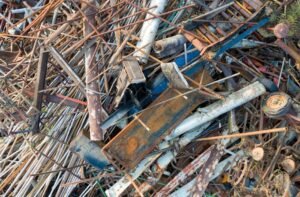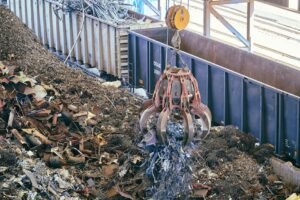

The phrase ‘and what about australia’ is not just rhetorical—it’s a pivotal question when assessing the global landscape of scrap metal trading and recycling. Australia stands as a key player in the international scrap industry, balancing environmental responsibility with economic opportunity through a well-established network of recyclers, traders, and regulatory bodies. When discussing global metal recovery, circular economy models, or sustainable industrial practices, ‘and what about australia’ becomes a central inquiry demanding detailed exploration.
Understanding the Australian Scrap Metal Industry
The Australian scrap metal industry is a cornerstone of the nation’s resource recovery and manufacturing sector. As one of the largest metal-consuming countries in the Asia-Pacific region, Australia generates significant quantities of ferrous and non-ferrous scrap annually—from demolition projects and end-of-life vehicles to industrial offcuts and electronic waste. According to the Australian Bureau of Statistics (ABS), the recycling sector contributes over $11 billion annually to the national economy, with metal recycling forming a substantial share of this value.
Unlike many developing nations where informal recycling dominates, Australia operates a formalized, regulated, and technologically advanced scrap ecosystem. This includes certified recycling facilities, licensed transporters, and compliance-driven trading platforms that ensure transparency and traceability. The industry is supported by national policies such as the National Waste Policy Action Plan, which targets an 80% average resource recovery rate from all waste streams by 2030. In this context, ‘and what about australia’ becomes more than a question—it becomes a benchmark for sustainable industrial evolution.
One of the defining characteristics of Australia’s scrap industry is its geographic distribution. Major hubs exist in urban centers like Sydney, Melbourne, Brisbane, Perth, and Adelaide, where population density and industrial activity generate high volumes of recyclable metals. However, regional and remote areas also contribute significantly, particularly through mining and infrastructure projects that produce large volumes of steel and copper scrap. These materials are often consolidated at central depots before being shipped to domestic reprocessing facilities or exported under strict international guidelines.
For businesses and individuals engaged in scrap trading, understanding the structure of Australia’s industry is essential. Operators must navigate a mix of federal, state, and local regulations, including licensing requirements, chain-of-custody documentation, and anti-theft measures. The National Environment Protection (Used Packaging Materials) Measure and the Australian Standard AS 5050:2011 for end-of-life vehicle management are just two examples of frameworks that govern responsible recycling. Platforms like scrap metal trading and recycling in Australia help streamline compliance and connectivity across this complex network.
Regulatory Framework and Environmental Compliance
Environmental regulation is a defining feature of the Australian scrap metal landscape. Federal and state governments enforce stringent controls to prevent illegal dumping, metal theft, and contamination of recyclable streams. The Department of Climate Change, Energy, the Environment and Water (DCCEEW) oversees national waste policy, while individual states implement their own legislation—such as New South Wales’ Waste Avoidance and Resource Recovery Act 2001 or Victoria’s Environment Protection Act 2017.
One of the most impactful regulatory tools is the National Product Stewardship Act 2011, which mandates shared responsibility for the lifecycle of products, including electronics and vehicles. Under this framework, manufacturers, importers, and recyclers must collaborate to ensure metals like aluminum, copper, and rare earth elements are recovered efficiently and ethically. This has led to the rise of industry-led initiatives such as the About programs run by recycling consortia, which fund collection networks and public education campaigns.
Metal theft remains a persistent challenge, particularly for copper wiring, catalytic converters, and railway infrastructure. To combat this, all Australian states have implemented scrap metal licensing schemes requiring buyers to register sellers, verify identity, and maintain transaction records. For example, Queensland’s Scrap Metal Dealers Act 2014 mandates that dealers report all purchases to a central database, enabling law enforcement to track suspicious activity. These measures reinforce the integrity of the scrap supply chain and protect legitimate operators from reputational and financial risks.
Environmental impact assessments (EIAs) are also standard for large-scale recycling operations. Facilities must demonstrate compliance with air and water quality standards, noise control, and hazardous material handling. The use of advanced sorting technologies—such as eddy current separators, magnetic drums, and X-ray fluorescence (XRF) analyzers—helps minimize contamination and maximize recovery rates. These innovations are often highlighted in educational content provided by organizations like About Us at scrap trading platforms, which aim to raise industry standards.
Market Dynamics and Economic Impact
The economic significance of scrap metal recycling in Australia cannot be overstated. The sector supports over 50,000 jobs nationwide, ranging from collection and sorting to processing and export logistics. According to the Australian Council of Recycling (ACOR), the recycling industry reduces greenhouse gas emissions by approximately 45 million tonnes of CO₂ equivalent each year—equivalent to taking 10 million cars off the road.
Domestically, recycled metals feed into Australia’s steel production, construction, automotive manufacturing, and renewable energy sectors. For instance, BlueScope Steel in Port Kembla relies heavily on recycled scrap as a feedstock for its electric arc furnaces (EAFs), significantly reducing the carbon footprint compared to traditional blast furnaces. Similarly, companies involved in solar panel and wind turbine installation generate copper and aluminum scrap that re-enters the production cycle, supporting the nation’s clean energy transition.
Internationally, Australia is both an importer and exporter of scrap metal. While it exports processed ferrous scrap to countries like India, Indonesia, and South Korea, it also imports specialized non-ferrous fractions for refining. The Pacific Free Trade Agreement and ASEAN-Australia-New Zealand Free Trade Agreement (AANZFTA) facilitate these exchanges, but exporters must comply with the Basel Convention on the Control of Transboundary Movements of Hazardous Wastes. This treaty, ratified by Australia in 1992, ensures that scrap exports do not become a vector for environmental dumping in less-regulated jurisdictions.
Price volatility is an inherent challenge in the scrap market, influenced by global demand, exchange rates, and commodity cycles. For example, the 2021–2022 surge in steel prices due to post-pandemic infrastructure spending led to record highs for ferrous scrap, while recent cooling in Chinese demand has caused corrections. Traders and recyclers must therefore adopt strategic pricing models, hedging mechanisms, and real-time market intelligence. Platforms like scrap metal trading and recycling in Australia provide live pricing data, market analysis, and transaction tools to help stakeholders make informed decisions.
Technological Advancements in Scrap Processing
Technology is transforming how Australia handles scrap metal. From AI-powered sorting systems to blockchain-based traceability, innovation is driving efficiency, compliance, and sustainability. One of the most significant developments is the integration of machine learning algorithms in material recovery facilities (MRFs). These systems use computer vision to identify and separate different metal types at high speed, reducing reliance on manual labor and minimizing contamination.
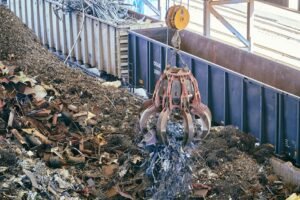
Automated shredding lines equipped with sensor-based sorting can process up to 20 tonnes of scrap per hour, extracting valuable fractions like aluminum, copper, and zinc from mixed waste streams. Companies such as Sims Metal and SKM Recycling have invested heavily in these technologies, positioning Australia as a leader in high-efficiency processing. Additionally, mobile crushing and shearing units allow for on-site processing at demolition sites, reducing transport costs and emissions.
Digital platforms are also revolutionizing the trading aspect of the industry. Online marketplaces enable real-time bidding, inventory management, and logistics coordination. For instance, scrap.trade connects buyers and sellers across Australia, offering verified listings, compliance tools, and secure payment options. This digital transformation enhances transparency and reduces friction in transactions, particularly for small and medium-sized enterprises (SMEs) that previously faced barriers to entry.
Blockchain technology is being piloted to create immutable records of scrap metal provenance. This ensures that materials are ethically sourced and not linked to theft or illegal operations. Given Australia’s strict anti-fencing laws, such systems offer a competitive advantage by building trust with international buyers. Furthermore, data analytics tools help recyclers forecast market trends, optimize sorting configurations, and improve yield rates—critical factors in maintaining profitability amid fluctuating prices.
Sustainability and the Circular Economy
Australia’s commitment to sustainability is evident in its push toward a circular economy model, where resources are reused, remanufactured, and recycled rather than discarded. The concept aligns perfectly with the goals of the scrap metal industry, which inherently promotes resource efficiency and waste minimization. In 2020, the federal government launched the Circular Economy Action Plan, identifying metal recycling as a priority sector due to its high environmental and economic returns.
Recycling one tonne of steel saves 1.1 tonnes of iron ore, 630 kg of coal, and 55 kg of limestone, while reducing energy consumption by up to 75% compared to primary production. Similar benefits apply to aluminum, where recycling uses only 5% of the energy required for virgin production. These savings translate into tangible reductions in carbon emissions, water usage, and land degradation—key metrics in Australia’s climate strategy.
Public awareness campaigns, school programs, and industry partnerships play a crucial role in advancing circularity. Initiatives such as National Recycling Week and the About section on leading recycling platforms educate citizens on proper disposal methods and the value of scrap. Businesses are also incentivized through tax breaks, grants, and certification programs like the National Environment Management Plan (NEMP) for Recycling and Waste Handling.
However, challenges remain. Contamination in scrap streams—such as plastics in metal bales or hazardous substances in electronic waste—reduces recyclability and increases processing costs. To address this, extended producer responsibility (EPR) schemes are being expanded. Under EPR, manufacturers are financially responsible for the end-of-life management of their products, encouraging design for disassembly and recyclability. This systemic approach ensures that sustainability is embedded throughout the product lifecycle, not just at the disposal stage.
Opportunities for Growth and Innovation
The future of scrap metal recycling in Australia is bright, driven by policy support, technological innovation, and growing public awareness. One emerging opportunity lies in urban mining—the practice of extracting valuable metals from discarded electronics, buildings, and infrastructure. With Australia generating over 500,000 tonnes of e-waste annually, only 30% of which is formally recycled, there is immense untapped potential. Urban mining could supply critical materials like gold, silver, palladium, and rare earths for use in next-generation technologies, reducing reliance on overseas mining.
Another growth area is decentralized recycling hubs. Rather than relying solely on large centralized facilities, smaller, modular recycling units can be deployed in regional areas to process scrap locally. This reduces transport emissions, creates local jobs, and improves access for rural communities. Solar-powered shredders and mobile sorting units are already being tested in outback regions, supported by grants from the Australian Renewable Energy Agency (ARENA).
Export diversification is also a strategic priority. While traditional markets in Asia remain important, there is growing interest in supplying recycled metals to European and North American manufacturers seeking low-carbon materials. Australia’s strong governance and environmental standards give it a competitive edge in premium markets that prioritize ethical sourcing. By aligning with global initiatives like the EU’s Green Deal and the US Inflation Reduction Act, Australian recyclers can position themselves as preferred suppliers.
For entrepreneurs and investors, the sector offers compelling opportunities. Startups focused on AI-driven sorting, battery recycling, or blockchain traceability are attracting venture capital and government funding. Educational institutions like the University of New South Wales and RMIT are conducting research into advanced metallurgy and material science, fostering innovation. Platforms like scrap trading solutions in Australia are also evolving to support this new wave of entrants, offering onboarding tools, compliance training, and market access.
Practical Tips for Engaging with the Scrap Industry
Whether you’re a homeowner clearing out a garage, a contractor managing demolition debris, or a business generating industrial scrap, knowing how to engage with the Australian scrap industry is crucial. Here are practical steps to maximize value and ensure compliance:
- Sort materials properly: Separate ferrous (magnetic) metals like steel from non-ferrous (non-magnetic) metals such as aluminum, copper, and brass. Clean materials free of dirt, insulation, or plastic increase your payout.
- Choose licensed recyclers: Verify that the facility holds a current waste management license and complies with state regulations. You can check credentials through your state’s environment protection authority (EPA).
- Keep records: For businesses, maintain invoices and transaction logs. This supports GST claims and demonstrates due diligence in case of audits.
- Monitor market prices: Scrap values fluctuate weekly. Use online tools like scrap in australia to track current rates and time your sales for maximum return.
- Report suspicious activity: If you suspect metal theft or illegal dealing, contact your local police or the National Metal Theft Hotline.
- Explore pickup services: Many recyclers offer free collection for large volumes. This is ideal for construction sites or industrial facilities generating consistent scrap.
For exporters, ensure all documentation—including waste export permits, manifests, and end-user certificates—is complete and accurate. Misclassification of scrap as “waste” versus “commodity” can lead to shipment rejection or fines. Consult with experts or use platforms like australia scrap to understand classification rules under the Basel Convention.
Finally, consider joining industry associations such as the Australian Recyclers Association (ARA) or Chamber of Automotive Scrap Metal Recyclers (CASMR). These groups provide advocacy, training, and networking opportunities that can enhance your operations and credibility.
Conclusion: Why ‘and what about australia’ Matters
The question ‘and what about australia’ is not just relevant—it is essential when evaluating the global scrap metal industry. Australia combines regulatory rigor, technological sophistication, and environmental stewardship to create a model system for sustainable metal recovery. From urban recycling centers to remote mining operations, the nation demonstrates how economic growth and ecological responsibility can coexist.
As global demand for recycled materials intensifies and climate pressures mount, Australia’s role will only grow in importance. Its ability to produce high-quality, traceable, and low-carbon scrap positions it as a trusted partner in international supply chains. Whether you’re a local recycler, a multinational manufacturer, or a policy maker, understanding the Australian landscape is key to navigating the future of resource recovery.
For those seeking to engage with this dynamic sector, platforms like scrap metal trading and recycling in Australia offer the tools, knowledge, and connections needed to succeed. Explore resources such as About Us and About to learn more about industry best practices, compliance requirements, and market trends. The journey toward a circular economy begins with recognizing the value of every scrap—and asking, ‘and what about australia?’ with purpose and insight.
Related: About
Frequently Asked Questions
What types of scrap metal are most valuable in Australia?
Copper, aluminum, and stainless steel are among the most valuable scrap metals in Australia due to high demand in construction, electronics, and manufacturing. Copper, especially from wiring and motors, commands premium prices, while clean aluminum from beverage cans and automotive parts also offers strong returns.
Is it legal to sell scrap metal in Australia?
Yes, it is legal to sell scrap metal in Australia, but sellers must comply with state-level licensing and identification requirements. Buyers are required to verify the identity of sellers and maintain records to prevent the sale of stolen materials.
How does Australia regulate scrap metal exports?
Australia regulates scrap metal exports through the Department of Agriculture, Water and the Environment, requiring permits under the Basel Convention. Exports must be classified correctly as recyclable commodities, not waste, and accompanied by documentation proving lawful origin and destination.
Where can I find current scrap metal prices in Australia?
Current scrap metal prices in Australia can be found through industry platforms like scrap in australia, which provide real-time market data, regional price variations, and historical trends to help inform selling decisions.