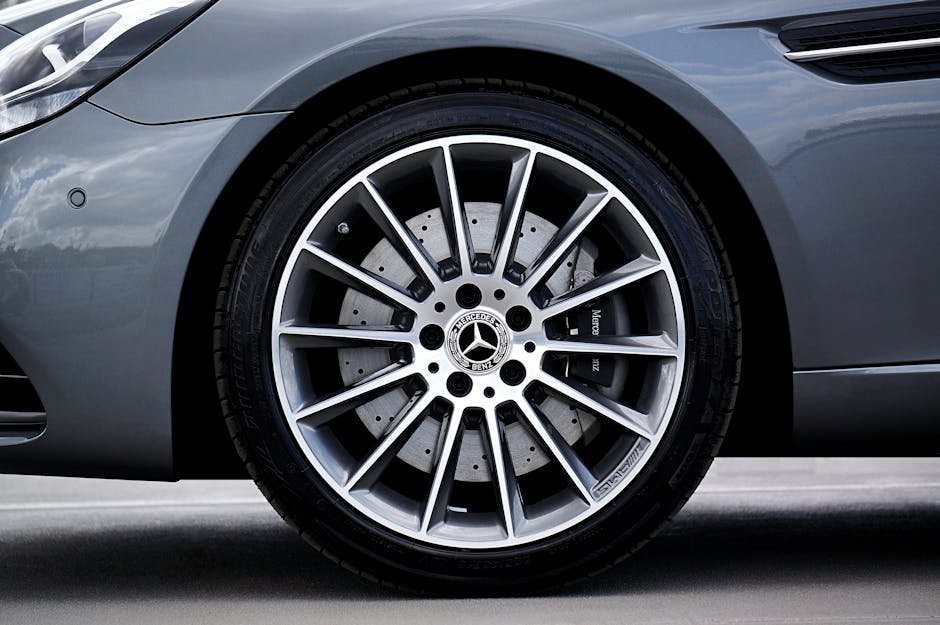

Are alloy wheels worth anything for scrap? If you’ve ever considered recycling old alloy wheels, you’re not alone. In Australia, the scrap metal industry is a vital part of the circular economy, with alloy wheels—commonly called rims, mag wheels, or aluminium wheels—playing a significant role. This guide explores whether alloy wheels hold scrap value, the grades of alloy scrap, how recycling works, and the environmental benefits of repurposing these materials. Whether you’re a car owner, trader, or environmental advocate, this article provides actionable insights to help you make informed decisions.
Understanding Alloy Wheel Grades and Their Scrap Value
Alloy wheels are typically made from a blend of metals, with aluminium alloys being the most common. Magnesium alloy wheels are less frequent but highly valuable due to their lightweight properties. The scrap value of alloy wheels depends on their composition, weight, and local market demand.
- Aluminium Alloy Wheels: The most common type, valued for their corrosion resistance and lightweight nature. Prices fluctuate based on global aluminium demand and recycling rates.
- Magnesium Alloy Wheels (Mag Wheels): Rare and high-value, often found in performance vehicles. Their scrap value is significantly higher than standard alloy wheels.
- Steel Rims: Less valuable than alloy wheels but still recyclable. Not typically classified as “alloy” wheels.
For a deeper dive into alloy scrap prices and how to maximize returns, read Alloy Scrap Price: How To Sell And Maximize Returns.
How Recycling Alloy Wheels Works
Recycling alloy wheels involves several steps to ensure the metal is repurposed efficiently. Here’s an overview of the process:
- Collection: Scrap yards or recycling centers collect alloy wheels, often through individual sellers, auto repair shops, or bulk buyers.
- Sorting and Grading: Wheels are categorized by metal type (e.g., aluminium, magnesium) and condition (e.g., intact vs. damaged).
- Processing: Wheels are cleaned, stripped of non-metal components (e.g., tires, brake parts), and shredded or melted down.
- Remanufacturing: Recycled metal is refined and used to produce new products, from automotive parts to construction materials.
For more on recycling high-carbon alloys, see Sell Tool Steel Scrap: High Carbon Alloy Steel.
Environmental Benefits of Alloy Wheel Recycling
Recycling alloy wheels offers substantial environmental advantages. Producing new aluminium from raw materials requires 95% more energy than recycling it. By repurposing alloy wheels, we:
- Reduce Mining Activity: Recycling minimizes the need for bauxite mining, preserving natural habitats and reducing water and soil contamination.
- Lower Carbon Emissions: Recycling processes emit significantly less CO₂ compared to smelting raw metals.
- Conserve Resources: Reusing metals reduces waste in landfills and conserves finite resources.
Practical Tips for Selling Alloy Wheel Scrap
If you’re considering selling alloy wheels for scrap, follow these steps to maximize your returns:
- Check Local Markets: Prices vary by state and time of year. Use platforms like Scrap Trade to compare nearby prices.
- Clean and Prepare: Remove tires, brake calipers, and other non-alloy components to avoid deductions.
- Bundle for Better Rates: Selling in bulk (e.g., 50–100 wheels) often secures higher per-kilogram rates.
- Verify Grades: Confirm whether your wheels are aluminium or magnesium alloy using a magnet or a scrap yard’s testing tools.
For a step-by-step guide to selling alloy wheels, visit sell scrap alloy wheels near me or sell alloy wheels for scrap.
Are Alloy Wheels Worth Anything for Scrap? Market Trends
The scrap alloy wheel market in Australia is influenced by global metal prices, local demand, and supply chain dynamics. For example, in 2023, aluminium prices averaged $2,200 per tonne, making 100 aluminium alloy wheels (weighing ~1,000kg total) worth approximately $220. Magnesium alloy wheels, being rarer, can fetch up to 30% more. To stay updated on prices, use Scrap Trade Australia for real-time market data.
Common Mistakes to Avoid When Selling Alloy Wheels
Many sellers undervalue their alloy wheels due to avoidable errors. Avoid these pitfalls:
- Not Removing Tires: Tires reduce the metal-to-weight ratio and lower your payout.
- Ignoring Damage: Severely damaged wheels may be rejected or paid less than intact ones.
- Overlooking Local Regulations: Some states require permits for bulk scrap sales. Check Scrap Trade for compliance guidance.
Alloy Wheels vs. Other Scrap Metals
While alloy wheels are valuable, they compete with other scrap metals in the market. Here’s a quick comparison:
| Scrap Type | Typical Price Range (AUD/kg) | Recycling Complexity |
|---|---|---|
| Aluminium Alloy Wheels | $1.50–$2.00 | Medium |
| Magnesium Alloy Wheels | $2.00–$3.50 | High |
| Steel Rims | $0.50–$0.80 | Low |
For niche alloys like high-temperature nickel alloys, explore Sell Nimonic Scrap: High Temperature Nickel Alloy 2026 Guide.
Conclusion: Why Recycling Alloy Wheels Matters
Alloy wheels are not only worth money for scrap but also play a critical role in sustainable resource management. By understanding their grades, recycling processes, and market trends, you can make informed decisions that benefit both your wallet and the environment. Whether you’re clearing out old car rims or managing a bulk scrap business, recycling alloy wheels is a smart move for Australia’s future.
Frequently Asked Questions
Are damaged alloy wheels worth anything for scrap?
Yes, damaged alloy wheels still hold value for scrap. While intact wheels command higher prices, scrap yards accept broken or bent wheels based on their metal content. Always clean them and remove non-metal parts before selling.
How do I identify if my wheels are aluminium or magnesium alloy?
Aluminium alloy wheels are lighter and non-magnetic, while magnesium wheels are heavier and may have a distinct sand-cast texture. A magnet test (magnets don’t stick to aluminium) or a scrap yard’s testing tools can confirm the type.
What’s the best way to clean alloy wheels before selling?
Use a pressure washer to remove dirt and brake dust. Avoid abrasive chemicals that could damage the metal surface. Ensure all tires, brake components, and dirt are thoroughly removed to maximize your payout.
Can I sell alloy wheels with tires still attached?
No, tires reduce the value of alloy wheels for scrap. Most yards require wheels to be clean and free of rubber, as tires add weight without contributing to the metal content. Always remove tires before selling.