
When it comes to the industrial landscape of Sydney’s Lower North Shore, artarmon aluminium recycling stands out as a critical component of the circular economy. As businesses and residents look for more sustainable ways to manage waste, understanding the nuances of the scrap metal market becomes essential. Whether you are a construction firm clearing a site or a homeowner with a garage full of old window frames, navigating the local recycling infrastructure is key to both environmental stewardship and financial gain.
The Economic and Environmental Value of Aluminium
Aluminium is unique in the world of metallurgy because it is infinitely recyclable without losing its structural properties. Unlike plastics, which often undergo ‘downcycling’ into lower-quality materials, aluminium remains a premium commodity. When you participate in artarmon aluminium recycling, you are contributing to a process that saves approximately 95% of the energy required to produce primary aluminium from bauxite ore. This massive energy saving is why the demand for secondary aluminium remains consistently high globally.
For those looking for Metal Recycling Near Me, Artarmon serves as a strategic hub. The sheer volume of industrial activity in the area means that recycling facilities are well-equipped to handle large-scale commercial loads. By diverting aluminium scrap from landfills, we not only reduce carbon footprints but also preserve natural resources. The market for aluminium scrap is driven by the global manufacturing sector, which relies on recycled content to meet sustainability targets. Understanding these market dynamics is the first step for any individual or business looking to optimize their recycling efforts.
Identifying and Sorting Your Aluminium Scrap
Efficiency in recycling starts with proper sorting. Not all aluminium is created equal, and the value of your haul depends heavily on the grade of the metal. Generally, aluminium is categorized into two main streams: wrought alloys (like aluminium extrusion found in window frames) and cast alloys (found in engine parts or car wheels). Separating these materials before you arrive at a facility can significantly increase your payout.
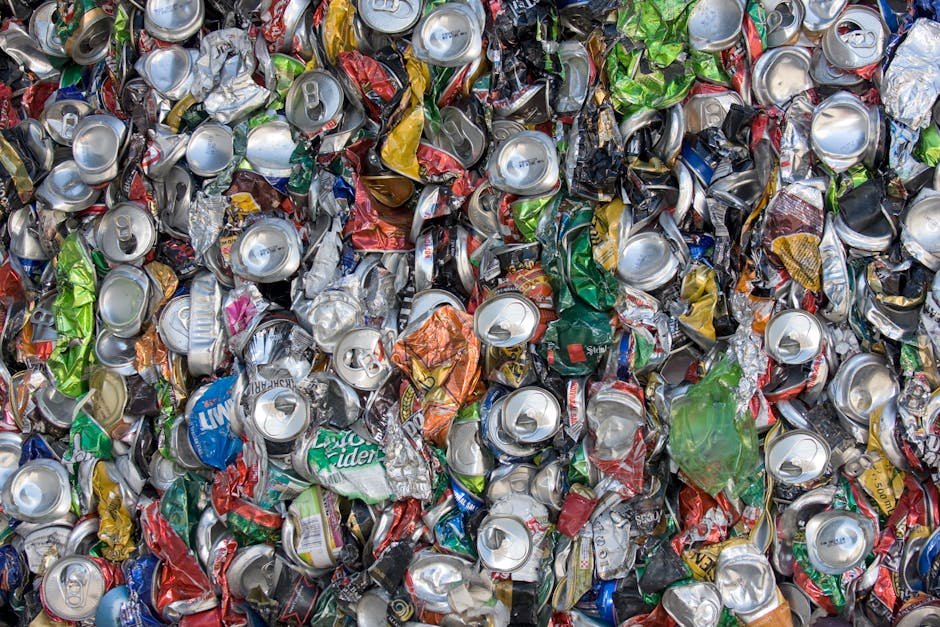
If you are wondering how to get started, you can connect with our Recycling Community to learn best practices for segregation. Contamination is the biggest enemy of high-value recycling. For instance, if you have aluminium cans mixed with steel or plastic, the entire batch may be downgraded. Always remove non-metallic attachments, such as rubber seals or plastic clips, from your aluminium extrusion pieces. This attention to detail ensures that the material can be processed immediately, which is reflected in the aluminium price you receive at the weighbridge.
Navigating Market Fluctuations and Aluminium Pricing
The aluminium price is volatile, influenced by global supply chains, London Metal Exchange (LME) trends, and the strength of the Australian dollar. Because Artarmon is a central industrial node, the local recycling rates are often competitive. However, it is vital to keep track of these fluctuations. For professional advice on current market conditions, visit professional scrap metal trading experts to stay informed on how global trends affect your local bottom line.
When you are ready to sell, ensure you are dealing with reputable artarmon aluminium recyclers who provide transparent weighing and grading processes. Some recyclers may also offer services for other metals; for example, if you have heavy metal waste, you might also be interested in artarmon lead recycling. By consolidating your scrap types, you can streamline your logistics and maximize the efficiency of your trips to the yard. Always ask for a breakdown of the price per kilogram for different grades of aluminium to ensure you are getting a fair deal.
Logistics: Finding Reliable Scrap Metal Recycling Near Me
Logistics play a major role in the profitability of recycling. If you are a contractor working in the Artarmon area, the proximity of a facility is just as important as the price offered. Searching for Scrap Metal Recycling Near Me will provide you with a list of options, but you should prioritize facilities that offer industrial bin services, weighbridge accuracy, and prompt payment cycles.
For large demolition projects, the ability to have a skip bin delivered and swapped out is a game-changer. This keeps your site clean and compliant with local council regulations regarding waste management. Furthermore, working with a platform like Scrap Trade can help you manage your inventory and find the best local partners. Proper planning—such as scheduling your drop-offs during off-peak hours—can also save you time and help you avoid the queues often found at busy industrial recycling centres.
The Future of Aluminium Recycling in Sydney
As Sydney continues to grow, the infrastructure for al recycling is becoming more sophisticated. Technological advancements in X-ray fluorescence (XRF) sorting allow recyclers to identify alloy compositions instantly, ensuring that high-grade aluminium is recovered with near-perfect purity. This innovation is driving the industry toward a more circular future where ‘waste’ is simply a resource in the wrong place.
Local businesses in Artarmon are increasingly adopting ‘green’ procurement policies, which include recycling their own industrial offcuts. By closing the loop, these businesses not only reduce their waste disposal fees but also generate a new revenue stream. The transition to a circular economy is not just a trend; it is a fundamental shift in how we value materials. By participating in artarmon aluminium recycling, you are playing a direct role in this transition, helping to ensure that the aluminium currently in use stays in the production cycle for decades to come.
Practical Tips for Maximizing Your Scrap Returns
To get the most out of your scrap metal, follow these expert tips:
- Clean your material: Remove all foreign materials like screws, bolts, and plastic. Clean aluminium fetches a higher price than dirty or contaminated scrap.
- Sort by alloy: Keep extrusions separate from cast aluminium. Mixing these grades lowers the overall value of your load.
- Store properly: Keep your scrap dry and under cover if possible. While aluminium does not rust like steel, oxidation can occur, and clean, shiny metal is always more appealing to buyers.
- Volume matters: If you have a small amount, consider stockpiling until you have a larger load. This saves on transport costs and makes the trip more worthwhile.
- Stay informed: Keep an eye on the LME and local market reports to understand when is the best time to sell.
- Safety first: Always wear appropriate PPE when handling scrap metal, especially when dealing with sharp edges or heavy industrial components.
Conclusion: Your Role in the Recycling Ecosystem
The success of artarmon aluminium recycling relies on the participation of the entire community—from the individual homeowner recycling a few cans to the large-scale contractor managing tonnes of industrial extrusion. By understanding the value of your scrap, sorting it correctly, and choosing the right recycling partners, you contribute to a more sustainable and profitable future for Sydney. Remember that every kilogram of aluminium recycled is a victory for the environment and a smart financial decision. Stay engaged with the industry, keep your materials clean, and continue to support the local facilities that keep our economy moving. For further assistance and to stay connected with the latest developments in the industry, continue to explore our resources and professional guides.
Extended Industry Insights: Why Aluminium Matters
The global aluminium industry is currently undergoing a massive transformation. With the rise of electric vehicles (EVs) and green building standards, the demand for high-quality, recycled aluminium is skyrocketing. Aluminium is a key material in EV battery housings and lightweight chassis construction, meaning the scrap you recycle today could very well end up in the next generation of sustainable transport. This is the essence of the ‘cradle-to-cradle’ philosophy.
Furthermore, the regulatory environment in Australia is tightening regarding waste exports. This means that domestic recycling capacity is more important than ever. By supporting local Artarmon facilities, you are helping to build a robust domestic supply chain that is less reliant on international shipping and more resilient to global disruptions. This is a win for national security, local employment, and the environment. As you continue your recycling journey, remember that your contribution is part of a larger, global effort to stabilize the climate and manage our finite resources with the respect they deserve. Whether you are a first-time recycler or a seasoned professional, the information provided here serves as a foundation for your ongoing success in the scrap metal market.
Frequently Asked Questions
What is the best way to prepare aluminium scrap for recycling?
To get the best price, remove all non-aluminium attachments like steel screws, plastic, or rubber. Sorting your aluminium into categories like extrusion, cast, and cans will also ensure you receive the highest possible payout.
Does the aluminium price change often?
Yes, the price of aluminium is subject to daily fluctuations based on the London Metal Exchange (LME) and currency exchange rates. It is recommended to check current market rates before heading to the recycling yard.
Why is aluminium recycling so important for the environment?
Recycling aluminium uses roughly 95% less energy than producing new aluminium from raw bauxite ore. This massive energy saving significantly reduces greenhouse gas emissions and preserves natural landscapes.
Can I recycle aluminium cans with other aluminium scrap?
While both are aluminium, cans are often a different alloy grade than industrial extrusions. It is best to keep them separate to ensure you are paid the correct rate for each material type.