
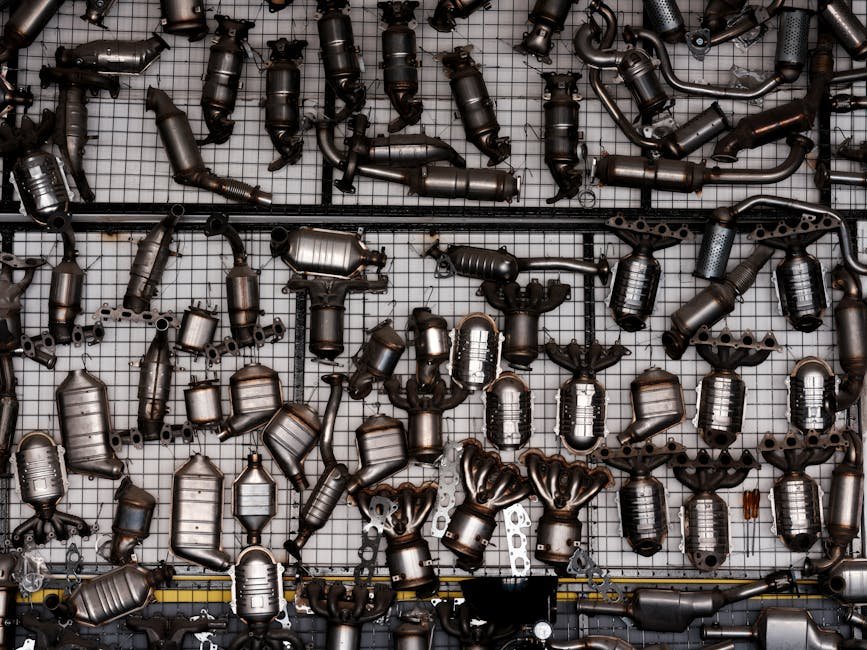

When searching for artarmon catalytics converter recyclers, it is essential to understand the complex value chain behind automotive emission control systems. These components, while often overlooked, contain some of the most valuable precious metals on the planet. As the automotive industry shifts toward more stringent emission standards, the demand for recycled platinum group metals (PGMs) has skyrocketed, making the role of specialised recycling facilities in Artarmon more critical than ever.
The Science of Catalytic Converter Recycling
A catalytic converter is a masterpiece of chemical engineering designed to reduce toxic exhaust emissions. Inside the stainless steel housing lies a ceramic honeycomb structure coated with a washcoat containing precious metals: platinum, palladium, and rhodium. These metals act as catalysts, triggering chemical reactions that convert harmful gases like carbon monoxide, nitrogen oxides, and unburned hydrocarbons into less harmful substances like nitrogen, carbon dioxide, and water vapor.
When these units reach the end of their lifespan, they do not simply become waste. Professional artarmon catalytics converter recyclers employ sophisticated recovery processes to reclaim these precious metals. The recycling process begins with the identification and grading of the unit. Because thousands of different converter models exist, each with varying metal concentrations, accurate identification is the cornerstone of fair pricing. At Scrap Trade, we utilize advanced analysis to ensure you receive the true market value for your scrap.
Once identified, the converters are processed through a series of stages. First, the units are sheared or cut open to remove the ceramic monolith. This material is then milled into a fine powder. This powder is sampled and analyzed using X-ray fluorescence (XRF) or fire assay techniques to determine the exact concentration of palladium, rhodium, and platinum. This level of precision is what separates high-end recyclers from general scrap dealers. For those looking to Sell My Catalytic Converter, understanding this process highlights why transparency in grading is non-negotiable.
Environmental Impact and the Circular Economy
The environmental argument for recycling catalytic converters is compelling. Mining for new platinum group metals is an energy-intensive and ecologically disruptive process. It often involves massive open-pit mining operations that consume vast amounts of water and leave behind significant tailings. By recycling existing converters, we drastically reduce the need for virgin mining.
Furthermore, the recovery of these metals supports the global transition to a circular economy. When we recycle, we keep valuable resources in the supply chain. This is particularly relevant for artarmon catalytics converter recyclers, who act as the primary bridge between vehicle owners and the industrial manufacturers who need these metals to build new emission systems. By choosing to recycle, you are directly contributing to a reduction in carbon emissions associated with the extraction and refining of new metals.
It is also important to consider the hazardous nature of spent converters. If disposed of in landfills, the ceramic dust and residual heavy metals can leach into groundwater. Professional recycling ensures these materials are managed in a controlled environment, adhering to strict Australian environmental regulations. For broader needs, businesses can utilize scrap metal removal artarmon services to ensure all automotive and industrial waste is handled ethically and legally.
Drop-off vs. Pickup: Choosing the Right Service
Efficiency is key when dealing with scrap metal. Depending on the volume of your material, you have two primary options: visiting a dedicated recycling centre or arranging for a professional pickup service. If you are an individual with one or two units, a drop off at our facility is often the most straightforward approach. It allows for immediate inspection and on-the-spot payment, ensuring you don’t have to wait for logistics coordination.
However, for workshops, wrecking yards, and automotive repair centres, a pickup service is often more practical. Managing large volumes of scrap requires specialized logistics, including secure transport and accurate inventory tracking. Our team provides comprehensive artarmon scrap metal recycling solutions tailored to high-volume clients. We ensure that the collection process is seamless, minimizing disruption to your daily operations.
Whether you choose to drop off or request a pickup, the documentation process remains the same. Professional recyclers will always provide a detailed receipt. This is not just for your accounting; it is a vital part of the compliance trail that proves the material was handled by a licensed facility. If you are curious about specific product grades, exploring the Ecotrade Converter database can give you a better idea of the potential value of your specific units before you even reach out to us.
The Value of Platinum Group Metals
The market for platinum, palladium, and rhodium is highly volatile and influenced by global automotive production trends. Rhodium, in particular, has seen extreme price fluctuations due to its specific use in reducing nitrogen oxides in gasoline engines. Because these metals are traded on global commodities markets, the value of your scrap changes daily.
When working with artarmon catalytics converter recyclers, you should expect them to provide market-linked pricing. A reputable recycler will not offer a flat rate for every converter; they will offer a price based on the current “fix” for the specific metals contained within your unit. This is why it is so important to work with experts who have access to real-time market data. For detailed insights into the industry, you can visit Scrap Trade Australia to stay updated on current scrap metal trends and pricing structures.
Many of our clients ask about the difference between aftermarket and OEM (Original Equipment Manufacturer) converters. Generally, OEM converters contain a higher density of precious metals, making them significantly more valuable. Aftermarket units, while useful for emission compliance, often contain lower concentrations of PGMs. Understanding these distinctions is part of being an informed seller. You can learn more about the technical specifications of various units through the Ecotrade Catalytic Converter resources, which provide an exhaustive look at the content found in different makes and models.
Best Practices for Scrap Metal Storage
If you are accumulating scrap metal for future sale, proper storage is vital to maintaining the value of your units. Catalytic converters are robust, but they are not immune to damage. The ceramic monolith inside can crack if the unit is dropped or handled roughly. Once the internal structure is compromised, the efficiency of the material recovery process decreases, which can ultimately impact the price you receive.
Keep your converters in a dry, covered area. Exposure to moisture can lead to internal corrosion, which complicates the sampling and assaying process. Furthermore, ensure that the identification numbers (stamped on the housing) remain legible. These numbers are the “fingerprint” of the converter and are essential for accurate grading. If the numbers are rusted over or painted, it becomes much harder for artarmon catalytics converter recyclers to provide an accurate quote.
Organization is also key. If you are a high-volume seller, sorting your converters by make, model, or even by the type of vehicle can speed up the appraisal process significantly. When our team arrives for a pickup or when you visit our site, having your inventory pre-sorted allows us to process your payment faster. Always keep a ledger of what you have collected, and ensure that your storage area is secure to prevent theft, which remains a significant issue in the scrap metal industry.
The Future of Emission Controls and Recycling
As the world moves toward electric vehicles (EVs), there is a common misconception that the need for catalytic converter recycling will disappear overnight. While the long-term trend is toward electrification, internal combustion engines (ICE) will remain on the road for decades. Furthermore, the existing fleet of millions of vehicles requires ongoing maintenance, including the replacement of failing catalytic converters.
Moreover, the technology used to recover metals from converters is now being adapted for other applications, such as recycling batteries and other electronic waste. The expertise gained by artarmon catalytics converter recyclers is transferable to these new challenges. We are witnessing a shift where urban mining—the process of recovering resources from waste—becomes as important as traditional mining. This evolution ensures that the infrastructure we build today for catalytic converter recycling will remain relevant in a future dominated by advanced materials recovery.
By engaging with professional recycling services, you are participating in a sophisticated supply chain that balances economic gain with environmental responsibility. The industry is becoming more digitized, with apps and online platforms now allowing for instant price checks and easier logistics management. Embracing these tools, alongside working with trusted local partners, ensures that you get the most out of every unit you recycle.
Why Professional Expertise Matters in Artarmon
In a competitive market like Artarmon, not all scrap metal dealers are created equal. Some may offer quick cash but lack the technical capability to accurately assess the metal content of a converter. This often leads to underpayment. A truly professional recycler invests in XRF technology, maintains a clean and safe facility, and provides transparent documentation for every transaction.
When you choose a partner, look for a company that values long-term relationships over one-off transactions. We pride ourselves on our reputation in the Artarmon area, built on years of honest grading and consistent service. Our commitment to the environment and to our clients is reflected in every aspect of our operations, from the way we handle hazardous materials to the way we provide market-leading payouts for your scrap.
Ultimately, the goal is to create a seamless experience that benefits both the seller and the planet. Whether you are a small business owner looking to clear out your workshop or an individual who has replaced a faulty exhaust system, we are here to ensure the process is simple, fair, and highly professional. We invite you to reach out to our team to discuss your recycling needs and see why we are the preferred choice for those who demand excellence in the scrap metal industry.
Conclusion: Taking the Next Step
Recycling your catalytic converter is more than just a way to make extra money; it is a responsible act of environmental stewardship. By ensuring that precious platinum group metals are recovered and reused, you help reduce the ecological footprint of the automotive industry. Whether you are ready to drop off your scrap or need a professional pickup service, the key is to work with experts who understand the nuances of the market.
We have covered the importance of accurate grading, the environmental benefits of the circular economy, and the practical steps you can take to maximize your returns. The artarmon catalytics converter recyclers landscape is evolving, and by staying informed, you ensure that you are always getting the best value for your materials. Remember that transparency, documentation, and professional handling are the hallmarks of a successful recycling partnership. If you have questions about your specific inventory or want to learn more about our services, our team is ready to assist you in making the most of your scrap metal assets.
Frequently Asked Questions
How do I know if my catalytic converter has value?
Most catalytic converters have significant value because they contain precious metals like platinum, palladium, and rhodium. The exact value depends on the make, model, and year of the vehicle, which determines the concentration of these metals.
What is the difference between an OEM and an aftermarket converter?
OEM (Original Equipment Manufacturer) converters are built to factory specifications and usually contain a higher density of precious metals compared to aftermarket units. Consequently, OEM converters typically command a higher price in the recycling market.
Do I need to remove the converter from the vehicle myself?
Yes, for the purpose of recycling, the catalytic converter must be removed from the vehicle. If you are not a mechanic, it is recommended to have a professional exhaust shop perform the removal to avoid damaging the unit or the vehicle’s sensors.
How is the price of a catalytic converter determined?
Prices are determined by the current global market spot price for platinum, palladium, and rhodium, combined with the specific metal load of your converter model. Professional recyclers use XRF analysis to verify the exact metal content before providing a final quote.











