
When it comes to artarmon catalytics converter recycling, understanding the underlying value of the precious metals contained within these units is critical for any serious scrap collector or automotive shop. Artarmon, a key industrial hub in Sydney, serves as a focal point for the recovery of high-value components. As the automotive industry shifts toward more stringent emission standards, the demand for high-quality catalytic converter scrap has surged, making it essential for local businesses to stay informed about market pricing and processing standards. Whether you are an individual with a single unit or a workshop dealing in bulk, navigating the complex landscape of scrap metal trading requires an understanding of how artarmon catalytics converter recyclers operate to provide fair market valuations based on global commodity trends.
The Science and Value of Platinum Group Metals
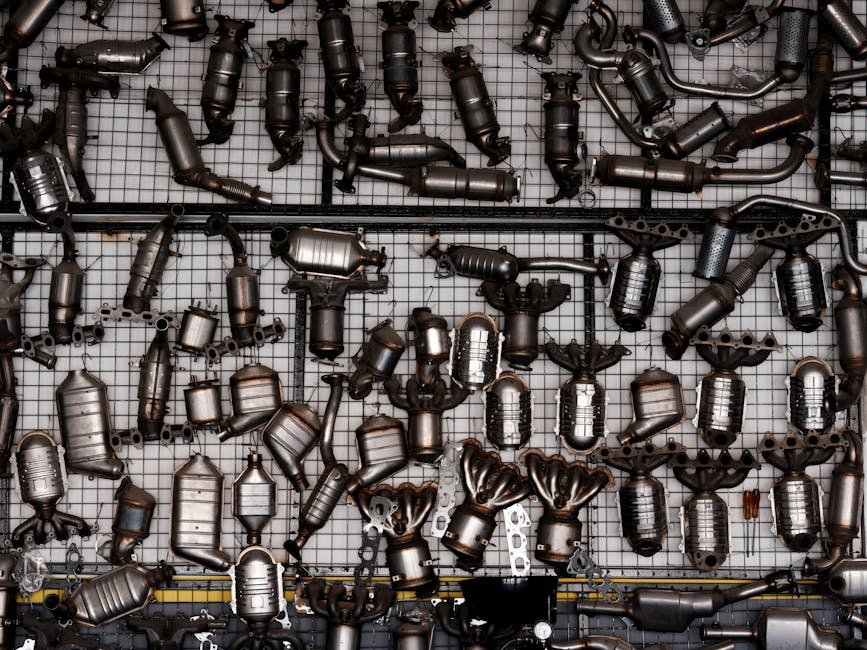
At the heart of every catalytic converter is a ceramic honeycomb structure coated with a washcoat containing platinum group metals (PGMs). These metals—platinum, palladium, and rhodium—are the catalysts responsible for converting toxic exhaust gases into less harmful substances. Because these metals are exceptionally rare and difficult to mine, their market value is significant. When you engage in artarmon catalytics converter recycling, you are essentially participating in a sophisticated urban mining process. The concentration of these metals varies wildly depending on the vehicle’s make, model, and engine type. Understanding the chemical composition is the first step in maximizing your return. For those looking to get started, you can Sell My Catalytic Converter through our streamlined platform, ensuring you receive a quote based on current PGM spot prices rather than arbitrary weight-based pricing. The volatility of these metals means that the market changes daily, and working with an authoritative scrap metal trading platform ensures that you are always aligned with the latest market data.
Navigating the Artarmon Scrap Metal Market
Artarmon has long been a destination for industrial recycling, offering a dense network of facilities that handle everything from copper wiring to complex automotive components. However, not all facilities are created equal. When evaluating your options, it is important to distinguish between general scrap yards and specialized precious metal recovery experts. The nuance between a general Scrap Trading Vs Recycling Business is significant; the former may simply bulk-weigh your material, while the latter will assay the contents to offer a premium price based on PGM content. Furthermore, if you have other scrap materials, such as high-grade copper or industrial fittings, you might also be interested in brass recycling artarmon to consolidate your scrap loads. By centralizing your recycling efforts, you reduce logistics costs and increase your overall profit margins. Engaging with the Recycling Community provides invaluable insights into which local buyers are offering the best terms and who is maintaining the highest standards for environmental compliance.
Identifying and Grading Your Catalytic Converter
Not all converters are created equal. The grading process is the most important step in the entire artarmon catalytics converter recycling workflow. Each unit is stamped with a serial number or a specific code that corresponds to a database of PGM content. An expert recycler will use this code to determine the exact amount of palladium, rhodium, and platinum present. If the code is missing or rusted over, the unit is often downgraded to a generic price, which is rarely in the seller’s favor. To avoid this, always keep your inventory organized and documented. Use a high-quality wire brush to clean the stamps before bringing them to a recycler. Furthermore, be wary of counterfeit or aftermarket converters, which often contain significantly lower concentrations of precious metals than original equipment manufacturer (OEM) units. Understanding the difference between a high-grade OEM unit and a low-grade aftermarket unit is the hallmark of an expert trader. By learning to grade your own inventory, you gain leverage during negotiations and ensure you are not leaving money on the table.
Environmental Compliance and Sustainable Recovery
Recycling is not just about profit; it is about responsible resource management. Catalytic converters contain hazardous materials that must be handled in accordance with Australian environmental regulations. When you choose to use professional artarmon catalytics converter recyclers, you are ensuring that the ceramic dust and chemical coatings are processed in facilities equipped with advanced filtration systems. This prevents heavy metals from leaching into the local soil and water tables. Furthermore, the recovery of platinum and rhodium is a cornerstone of the circular economy. By recycling these metals, we reduce the need for environmentally destructive open-pit mining operations. As a participant in the scrap industry, your commitment to ethical recycling practices enhances the reputation of your business and contributes to the long-term sustainability of the automotive sector. Always ask your buyer about their downstream processing methods to confirm that they are not simply exporting raw scrap to unregulated facilities overseas.
The Role of Palladium and Rhodium in Market Pricing
To truly master the scrap trade, you must keep a pulse on the global commodities market. Palladium and rhodium have seen massive price fluctuations over the last decade, driven by supply chain constraints and the increasing requirements for cleaner vehicle emissions. Rhodium, in particular, is one of the most expensive metals on Earth, often exceeding the price of gold per ounce. Because catalytic converters are the primary source of recycled rhodium, the value of your scrap is directly tied to the automotive manufacturing cycle. When car production slows, scrap supply often tightens, which can lead to price spikes. Conversely, when new vehicle sales are high, the influx of older models into the scrap stream can stabilize or lower prices. By following the scrap metal industry news, you can time your sales to match market peaks. Never rush to dump your inventory during a market dip; if you have the storage space, holding your units until the price of PGM stabilizes or climbs can result in a significantly higher payout.
Logistics and Safety in Scrap Transportation
Transporting catalytic converters requires attention to detail, especially when dealing with large volumes. These units are heavy, and the ceramic monoliths inside can be brittle. If a converter is damaged or the internal substrate is broken, the value of the unit drops significantly because the precious metal dust can be lost. When preparing your stock for transport to an Artarmon facility, ensure that the units are secured in sturdy containers. Avoid stacking them in a way that causes the pipes to snap the bodies of the converters. Additionally, always wear appropriate personal protective equipment (PPE), including gloves and respiratory protection, if you are handling broken units where ceramic dust might be airborne. Safety and efficiency go hand-in-hand in the scrap business. By treating your inventory with care, you preserve the integrity of the PGM-coated substrate, ensuring that you receive the full valuation during the assay process.
Building Long-Term Relationships with Recyclers
The most successful scrap traders in Australia don’t just sell to the first buyer they find; they build long-term, transparent relationships with reputable recyclers. When you become a regular, you gain access to better pricing tiers, faster payment terms, and more accurate assay reports. A good recycler will treat you as a partner, providing you with feedback on your inventory quality and tips on how to better prepare your scrap for maximum value. If you are operating a workshop, establishing a consistent pick-up schedule can save you time and labor costs. Don’t be afraid to ask for references or to visit the processing facility yourself. Transparency is the best indicator of a trustworthy partner. When you find a recycler who operates with integrity, stick with them. The consistency of a reliable partner is worth more in the long run than chasing the marginal price differences offered by unverified, fly-by-night operators who may not provide the same level of service or compliance.
Conclusion: The Future of Catalytic Recycling
As the automotive industry continues to evolve, the importance of artarmon catalytics converter recycling will only grow. While the rise of electric vehicles (EVs) may eventually change the composition of the scrap stream, the millions of internal combustion engine vehicles currently on the road will ensure a steady supply of PGM-rich scrap for decades to come. By staying educated, practicing safe handling, and working with reputable partners, you can turn your scrap inventory into a consistent revenue stream. Remember that the value of your scrap is not just in the metal itself, but in the knowledge you apply to the trading process. Utilize the resources available, keep track of market trends, and always prioritize ethical recycling standards. Whether you are a seasoned professional or just starting, the opportunities in the Australian scrap market are vast for those who approach it with the right expertise and a commitment to quality.
Frequently Asked Questions
Why are catalytic converters so valuable?
Catalytic converters contain precious platinum group metals like platinum, palladium, and rhodium. These metals are used to neutralize toxic exhaust gases and are highly sought after for industrial and automotive reuse.
How can I determine the value of my catalytic converter?
The value is determined by the specific serial number or code stamped on the unit, which identifies the quantity of precious metals inside. You should consult a reputable scrap trader who can perform an accurate assay based on these codes.
Is it legal to sell catalytic converters in Australia?
Yes, it is legal to sell them, provided you are dealing with licensed scrap metal recyclers. Always ensure you have proper documentation and proof of ownership to comply with local regulations.
What should I do if my catalytic converter serial number is unreadable?
If the code is unreadable, the unit is typically valued at a lower, generic rate based on its size or weight. You can try cleaning the area with a wire brush, but if it remains illegible, expect a lower offer compared to a unit with a verified code.