
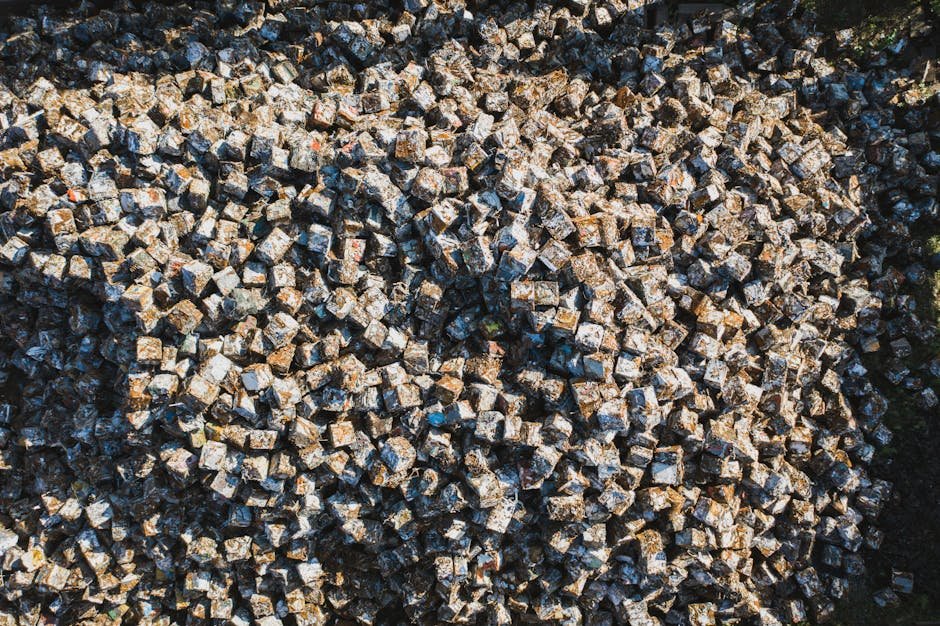

Professional artarmon lead recycling is a critical component of the circular economy in Sydney’s Lower North Shore, ensuring that hazardous materials are diverted from landfills and repurposed efficiently. Lead is a dense, highly malleable, and corrosion-resistant metal that, while toxic if mismanaged, possesses infinite recyclability. When you engage in proper lead recycling, you are not only adhering to strict environmental regulations but also contributing to a sustainable industrial supply chain. Whether you are a local trade contractor, a demolition professional, or a facility manager, understanding the nuances of the scrap market is essential for compliance and profit maximization.
The Environmental and Economic Importance of Lead Recovery
Lead is a heavy metal that poses significant risks to human health and the ecosystem if it leaches into groundwater or soil. In the Artarmon industrial precinct, the concentration of automotive workshops and construction projects necessitates a robust system for handling lead-acid batteries and lead piping. By choosing to utilize dedicated artarmon lead recycling services, businesses mitigate their liability regarding hazardous waste disposal. From an economic perspective, lead is a commodity traded globally on the London Metal Exchange (LME). The recovery process is significantly more energy-efficient than primary mining, requiring up to 75% less energy to produce refined lead from scrap compared to virgin ore. This energy saving translates directly into lower carbon footprints for manufacturers who source recycled lead for new battery production and radiation shielding applications.
Identifying Lead Scrap: What Can Be Recycled?
Not all lead scrap is created equal. To ensure your materials are accepted at a recycling facility, you must be able to identify and segregate your scrap effectively. Common sources of lead in the Artarmon area include:
- Lead-Acid Batteries: Found in cars, forklifts, and uninterruptible power supply (UPS) systems. These are the most common source of recycled lead.
- Roofing and Flashing: Historic building renovations often yield lead sheeting used for waterproofing.
- Wheel Weights: Older automotive wheel balancing weights are frequently made of lead, though alloys are becoming more common.
- Lead Pipes and Plumbing: While largely phased out, older commercial buildings undergoing demolition often contain significant lead piping.
- Cable Sheathing: Lead was traditionally used to insulate underground power cables and telecommunication lines.
Proper segregation is key. Mixing lead with other metals can contaminate a batch, lowering its value. For those looking for Scrap Metal Recycling Near Me, our facility provides the specialized bins and guidance required to keep your lead scrap separate from other materials like copper or aluminum.
Safety Protocols for Handling Lead in Artarmon
Lead is a potent neurotoxin. Occupational exposure occurs primarily through inhalation of dust or ingestion of particles. When handling lead scrap, safety must be the top priority. Always wear appropriate Personal Protective Equipment (PPE), including nitrile gloves, safety goggles, and, if breaking down batteries or handling dusty scrap, a P2-rated respirator. In Artarmon, where many facilities operate in close proximity to residential areas, preventing the migration of lead dust is a legal obligation under NSW EPA guidelines. Never burn lead scrap; this releases toxic fumes into the atmosphere, which is strictly prohibited and carries heavy penalties. Instead, transport your materials to a certified facility that utilizes wet-processing or sealed containment systems. Our team is part of a broader Recycling Community that prioritizes safety education and transparent processing standards.
The Processing Lifecycle: From Scrap to Commodity
Once your lead reaches our facility, it undergoes a rigorous multi-stage transformation. The first step is mechanical sorting. We use advanced X-ray fluorescence (XRF) analyzers to ensure the purity of the lead alloy. For lead-acid batteries, the process is highly automated: the battery casing is crushed in a hammer mill, and the components are separated into heavy lead grids, lead paste, and plastic casing. The lead is then smelted in a furnace at temperatures exceeding 600°C. During this process, impurities are skimmed off, and the molten lead is cast into ingots. These ingots are then sold back to battery manufacturers or used in the production of lead-based alloys. By participating in this cycle, you are supporting a professional scrap metal trading platform that bridges the gap between waste generators and industrial end-users. If you are also managing other materials, check our resources on steel recycling artarmon to streamline your waste management strategy.
Maximizing Your Returns: Market Trends and Pricing
The value of lead scrap fluctuates based on global demand, current LME pricing, and the purity of the material. To maximize your returns, consider the following strategies:
- Volume and Frequency: Regular, high-volume deliveries often qualify for better pricing tiers.
- Purity: Clean, unalloyed lead (such as pure lead pipe) generally fetches a higher price than contaminated battery scrap.
- Preparation: Remove non-lead attachments like steel brackets or plastic coatings before delivery.
- Market Timing: Keep an eye on commodity market reports. Selling during periods of high industrial demand can significantly increase your profit margins.
If you are searching for Metal Recycling Near Me, it is important to choose a partner that offers transparent pricing and accurate weighing. We provide digital scales and real-time market updates to ensure you are paid fairly for every kilogram of lead you recycle. For those specifically needing assistance with lead-related inquiries, our lead recycling artarmon page offers tailored advice for local businesses.
Regulatory Compliance and Environmental Stewardship
Operating in NSW requires strict adherence to the Protection of the Environment Operations Act. Lead is classified as a hazardous waste, and its transport must be documented. We provide all necessary waste tracking documentation for our commercial clients, ensuring that your business remains compliant with local council and state regulations. By documenting your recycling efforts, you can also improve your company’s ESG (Environmental, Social, and Governance) reporting. Demonstrating that your lead scrap is handled by a responsible, licensed facility is a powerful tool for winning contracts with environmentally conscious clients. For more information on finding a reliable partner, visit our main portal at Scrap Trade and explore our extensive network of certified recyclers.
Future Outlook: The Role of Lead in Renewable Energy
While lithium-ion technology dominates headlines, lead-acid battery technology remains the backbone of the renewable energy sector for energy storage systems (ESS). Advanced lead-carbon batteries are being developed to provide cost-effective, long-duration storage for solar and wind farms. This means that the demand for recycled lead will only grow as Australia transitions to a greener grid. By recycling lead today, you are fueling the technology of tomorrow. Whether you are a small workshop or a large industrial firm, your contribution to the artarmon lead recycling ecosystem is vital. Stay informed by checking our latest updates on the Scrap Metal Recycling Near Me directory to see how we are expanding our services to meet the needs of the evolving energy market.
Frequently Asked Questions
Frequently Asked Questions
Is it safe to store lead scrap at my Artarmon business premises?
Yes, provided it is stored in a dry, covered, and secure area to prevent lead dust from becoming airborne or leaching into stormwater drains. Ensure the area is clearly marked and that staff are trained in safe handling practices.
How do I know if my scrap is pure lead or an alloy?
Pure lead is soft, easily scratched with a fingernail, and heavy for its size. Alloys, such as those used in wheel weights, are much harder and more brittle; our facility uses XRF analyzers to provide an accurate chemical breakdown of your scrap.
Do I need a license to transport lead scrap in Sydney?
For small quantities, personal transport is generally acceptable, but you must ensure it is secured safely. For large commercial quantities, you may require specific hazardous waste transport documentation in accordance with EPA regulations.
Does the price of lead scrap change daily?
Yes, lead prices are linked to international commodity markets. We update our pricing based on current LME trends to ensure our clients receive the most accurate and competitive rates available.











