
Navigating the landscape of artarmon scrap metal recycling requires a deep understanding of how global commodities markets intersect with local industrial needs. Whether you are a construction firm in Sydney’s Lower North Shore or a local business clearing out warehouse inventory, knowing how to categorize and process your scrap is the first step toward turning waste into a revenue stream. As the industry evolves, those looking for Scrap Metal Recycling Near Me will find that professional facilities in Artarmon offer sophisticated grading systems that ensure maximum value for your materials.
The Fundamentals of Metal Grading
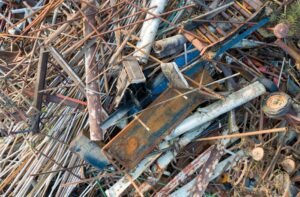
In the world of professional scrap, not all metals are created equal. The market distinguishes primarily between ferrous and non-ferrous metals, a distinction that dictates both the recycling process and the payout potential. Ferrous metals, such as iron and steel, contain carbon and are magnetic. They are the backbone of construction, found in beams, rebar, and old machinery. Because of their abundance, they are recycled in massive volumes, though they often command a lower price per kilogram than their non-ferrous counterparts.
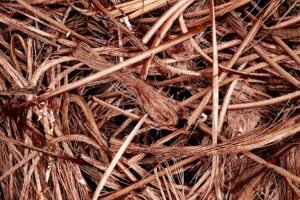
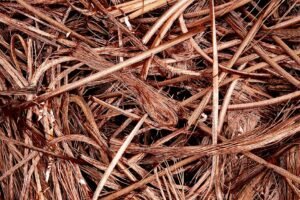
Non-ferrous metals, by contrast, do not contain iron and are highly resistant to corrosion. This category includes copper, aluminium, brass, lead, and stainless steel. In the context of artarmon scrap metal recycling, non-ferrous metals are the “gold standard” for recyclers. Copper wiring, for instance, is highly sought after due to its infinite recyclability without loss of quality. When you prepare your scrap, separating these grades is the most effective way to ensure you are paid accurately. Mixing contaminated scrap with high-grade copper or aluminium can downgrade the entire load, costing you significant profit. For those interested in the broader industry dynamics, understanding the difference between Scrap Trading Vs Recycling Business is essential for long-term planning.
How the Recycling Process Works
The journey from a pile of discarded metal to a raw manufacturing material is a multi-stage industrial process. Once scrap arrives at an Artarmon facility, it undergoes a rigorous inspection. The first step is identification—using optical emission spectroscopy or simple magnetic testing to confirm the alloy composition. Once identified, the material is weighed on certified scales to ensure transparency.
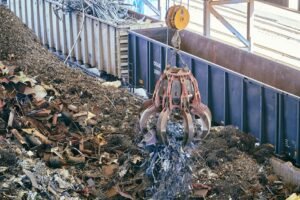
Following weighing, the metal is processed through shearing, shredding, or torching to reduce its volume and prepare it for melting. Shredding is particularly important for mixed loads, as it allows for the mechanical separation of metals from non-metallic contaminants like plastics, rubber, or foam. Powerful magnets are used to lift ferrous metals from the conveyor belts, while eddy current separators are employed to eject non-ferrous metals. This high-tech approach is what makes modern wise scrap metal & recycling practices so efficient. Finally, the sorted metal is melted down into ingots or billets, which are then sold back to manufacturers to create everything from car parts to beverage cans. If you are planning your asset disposal for the future, you should look into how to Sell Scrap Metal Near Me In 2026 to stay ahead of market trends.
Environmental Benefits of Metal Recycling
The environmental impact of recycling metal cannot be overstated. Mining virgin ore is an energy-intensive process that results in habitat destruction, soil erosion, and significant carbon emissions. By choosing to recycle, we drastically reduce the need for new mining operations. For example, recycling aluminium saves roughly 95% of the energy required to produce the same amount of aluminium from raw bauxite ore. This energy saving translates directly into a massive reduction in greenhouse gas emissions.
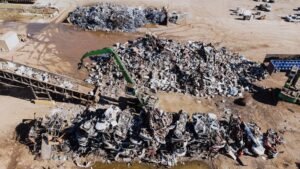
Furthermore, metal recycling helps manage the waste crisis in urban areas like Artarmon. Instead of sending bulky metal waste to landfills—where it takes up valuable space and can leach harmful chemicals into the soil—recycling keeps these materials in a closed-loop system. This is a core pillar of the circular economy. For those researching regional differences, it is interesting to note how scrap metal recycling perth operations mirror the high environmental standards seen in Sydney, proving that this is a nationwide commitment to sustainability. By participating in artarmon scrap metal recycling, local businesses are directly contributing to Australia’s national carbon reduction targets.
Maximizing Your Scrap Value: Practical Tips
To get the best return on your scrap, preparation is key. First, keep your scrap clean. Contaminants like oil, dirt, or insulation on copper wire will reduce the grade and, consequently, the price. If you have a large volume of copper wire, stripping the plastic insulation can significantly increase the value, provided you have the right equipment to do so safely. Second, sort your metals before you arrive at the yard. Mixing grades is the quickest way to lose money; keep your aluminium separate from your copper, and your brass separate from your stainless steel.
Third, build a relationship with a reputable buyer. Consistent volume and honest sorting build trust, which can lead to better pricing tiers over time. Use a reliable scrap trading platform to stay updated on current market prices. Finally, always prioritize safety. Metal can be sharp, heavy, and awkward to handle. Use appropriate personal protective equipment (PPE) such as gloves and steel-toed boots when loading and unloading your scrap. If you are a large-scale industrial operator, consider scheduling regular pickups to keep your site clear and safe, which also helps in tracking your scrap revenue more accurately.
The Role of Technology in Modern Scrap Yards
The scrap industry is no longer just about heavy machinery and manual labor; it is a data-driven sector. Modern yards utilize advanced software to track inventory, monitor commodity prices in real-time, and ensure compliance with environmental regulations. Digital scales integrated with management systems provide instant, accurate receipts, eliminating the guesswork that was common in the industry decades ago. This technological leap has made the process more transparent for the seller and more efficient for the recycler.
For those interested in the digital transformation of this sector, resources at the official scrap trade portal provide insights into how technology is streamlining the supply chain. From mobile apps that allow you to request pickups to blockchain-based tracking for high-value alloys, the industry is becoming more accessible. This digital shift is particularly beneficial for businesses in Artarmon that need to provide detailed audit trails for their waste disposal, ensuring that their recycling efforts meet corporate social responsibility standards.
Future Trends in the Australian Scrap Market
The Australian scrap metal market is poised for significant growth as the global demand for recycled materials increases. As manufacturers move toward “green steel” and recycled aluminium to meet international carbon standards, the value of domestic scrap is expected to climb. We are seeing an increase in the demand for specialized alloys, driven by the growth of the renewable energy sector and electric vehicle manufacturing. This means that the types of scrap being collected today will likely be in even higher demand tomorrow.
Furthermore, government policy is increasingly favoring the circular economy. Regulations regarding waste export are tightening, which encourages domestic processing and recycling. This creates a robust local market for scrap, ensuring that the materials collected in Artarmon stay within the Australian economy to be processed and reused. By staying informed on these macro-trends, businesses and individuals can better position themselves to capitalize on the changing landscape of the scrap industry.
Safety and Compliance in Scrap Handling
Operating within the scrap industry requires strict adherence to safety and environmental compliance. In Artarmon, recycling facilities must follow local council regulations regarding noise, dust, and hazardous material handling. For the individual seller, this means being aware of what you are bringing to the yard. Items like gas bottles, fire extinguishers, or sealed containers must be handled with extreme care and often require special certification or degassing before they can be accepted.
Compliance is not just about avoiding fines; it is about protecting the community and the environment. Reputable recyclers will have the necessary permits to handle various types of scrap, including hazardous components like lead-acid batteries or electronic waste. Always ensure that the facility you choose is fully licensed and transparent about their processing methods. This ensures that your metal is not just being “taken away,” but is being recycled in a way that aligns with the highest environmental and safety standards.
Conclusion: Choosing the Right Partner
Selecting the right partner for your metal disposal is as important as the recycling process itself. A professional facility provides more than just a payment; they provide expertise, logistical support, and the peace of mind that your waste is being handled responsibly. Whether you are a small trade business or a large construction company, the goal should be to create a long-term partnership that adds value to your operations while contributing to a greener future.
As you move forward with your recycling efforts, remember that the value of your scrap is a reflection of the care you put into its collection and sorting. By following the best practices outlined in this guide, you can ensure that you are getting the most out of every load. The industry is evolving, and by staying engaged with the latest market trends and technological advancements, you are not just clearing out clutter—you are participating in a vital component of the global supply chain. For those ready to take the next step, start by identifying a trusted local facility and establishing a routine for your scrap disposal today.
Frequently Asked Questions
What is the difference between ferrous and non-ferrous scrap?
Ferrous metals contain iron and are magnetic, such as steel and iron. Non-ferrous metals do not contain iron, are corrosion-resistant, and include materials like copper, aluminium, and brass.
How can I get the best price for my scrap metal?
The best way to maximize value is to sort your metals by type and ensure they are clean of contaminants like plastic, rubber, or oil. Building a consistent relationship with a reputable local recycler also helps.
Why is recycling metal better than mining new ore?
Recycling metal consumes significantly less energy than mining and refining virgin ore. For example, recycling aluminium saves up to 95% of the energy compared to primary production, drastically reducing carbon emissions.
Are there items that cannot be recycled at a scrap yard?
Yes, items like sealed containers, radioactive materials, or hazardous chemical drums often require special handling or are prohibited. Always contact your local facility to check their specific acceptance policy before dropping off unusual items.