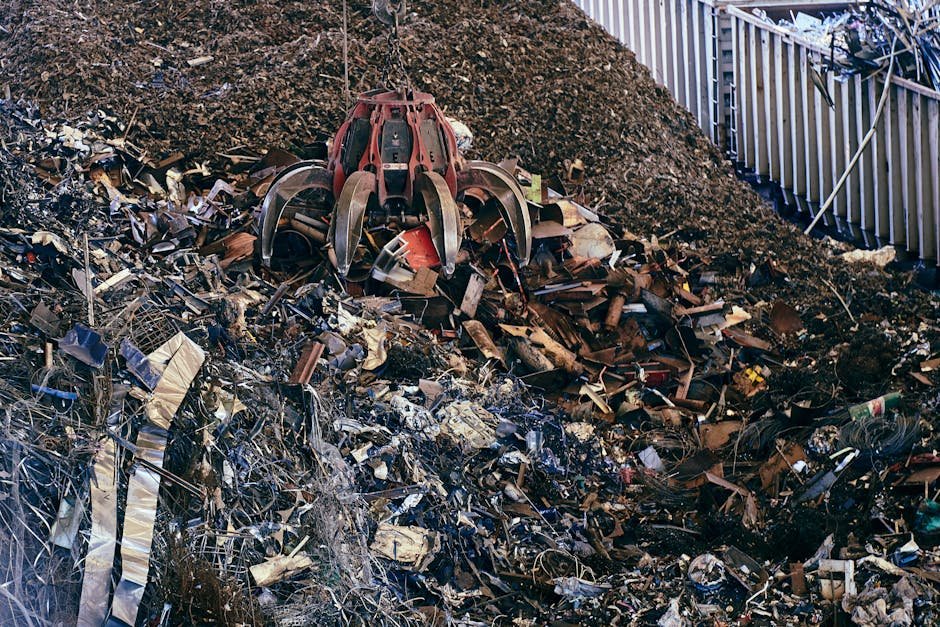

When considering artarmon scrap metal, it is essential to understand that the local industry is a cornerstone of the circular economy in Sydney’s Lower North Shore. Whether you are a trade professional or a residential cleaner, navigating the landscape of metal recovery requires knowledge of material grades and market fluctuations. By engaging with professional scrap metal recycling artarmon services, you contribute to a sustainable future while potentially securing a significant financial return on your discarded materials.
The Fundamentals of Scrap Metal Grading
Understanding the difference between ferrous and non-ferrous metals is the first step in successful trading. Ferrous metals, such as iron and steel, contain iron and are magnetic, making them easier to sort. Non-ferrous metals, including copper, aluminium, brass, and lead, do not contain iron and are generally more valuable due to their resistance to corrosion and high conductivity. When you visit scrap metal recyclers artarmon, you will find that these facilities use advanced spectroscopic technology to identify alloy compositions, ensuring you receive the correct market value for your specific grade.
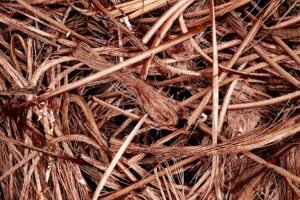
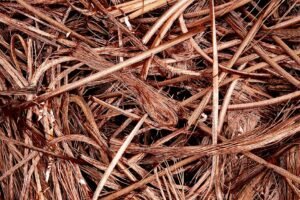
Copper is perhaps the most sought-after metal in the recycling industry. It is graded based on purity, with ‘Bright and Shiny’ (Number 1) copper fetching the highest price, while ‘Burnt’ or ‘Insulated’ copper requires more processing and thus commands a lower rate. Aluminium is another staple, categorized into ‘Extrusion’, ‘Cast’, and ‘Sheet’. Understanding these classifications allows you to separate your loads effectively before arriving at the yard, which is a critical step if you want to Sell Scrap Metal Near Me In 2026 at the best possible price point.
How the Recycling Process Works in Artarmon
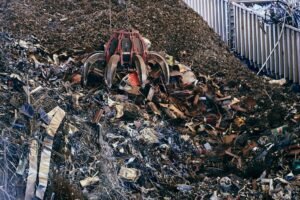
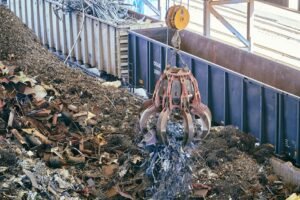
The journey of scrap metal from a construction site in Artarmon to a new product is a multi-stage industrial process. Once materials are collected, they undergo a rigorous sorting phase. Facilities use magnets, eddy current separators, and X-ray fluorescence (XRF) analyzers to segregate metals by type and purity. This precision is what allows the industry to maintain high-quality output for smelters and manufacturers.
After sorting, the metal is processed through shredding or shearing. Shredding breaks down large appliances, vehicles, and structural steel into smaller, uniform pieces, which increases the surface area for melting and removes contaminants like plastic, rubber, or glass. Shearing uses heavy-duty hydraulic blades to cut long sections of steel into manageable sizes. This prepared scrap is then sold to steel mills where it is melted down in electric arc furnaces. This process is significantly more energy-efficient than refining virgin ore, which is why Scrap Metal Recycling Near Me is a vital service for modern environmental management.
Environmental Benefits of Metal Recycling
The environmental impact of mining virgin ore is catastrophic, involving massive land disruption, water pollution, and high carbon emissions. By choosing to recycle, you are directly reducing the demand for new mining operations. For instance, recycling aluminium saves approximately 95% of the energy required to produce the same amount of aluminium from bauxite ore. This energy saving translates into a massive reduction in greenhouse gas emissions.
Furthermore, recycling keeps hazardous materials out of landfills. Many scrap items, such as old electronics or lead-acid batteries, contain toxic substances that can leach into groundwater if not handled properly. Professional scrap yards in Artarmon are equipped to manage these hazardous materials safely, adhering to strict environmental regulations set by the EPA. By participating in these programs, you are not just trading; you are protecting the local ecosystem of the North Shore. For those interested in the broader industry, the Scrap Trade platform provides extensive resources on global sustainability trends.
Maximizing Your Returns: Market Factors and Timing
To get the most out of your scrap, you must keep an eye on Scrap Metal Prices. These prices are influenced by global supply and demand, the strength of the Australian dollar, and industrial manufacturing output in China and Southeast Asia. Because the market is volatile, it pays to check current rates before you transport a large load.
Practical tips for maximizing your return include: 1) Cleaning your metal—removing non-metal attachments like plastic handles or rubber seals can move your scrap from a lower ‘mixed’ grade to a higher ‘clean’ grade. 2) Sorting your materials—never mix copper with steel; the contamination can downgrade the entire load. 3) Volume—larger, segregated loads are often more attractive to buyers. For professional-grade insights into how to handle large-scale industrial scrap, visit the official Australian scrap trade portal for industry-specific guides and contact information.
Safety and Logistics for Scrap Transport
Transporting heavy metal requires careful planning. Whether you are dealing with structural steel beams or copper piping, safety is paramount. Always ensure your load is properly secured in your vehicle or trailer. In Artarmon, traffic can be dense, so planning your drop-off during off-peak hours is recommended to ensure a smooth transition at the yard. Always wear appropriate personal protective equipment (PPE), such as gloves and steel-capped boots, when handling scrap metal to prevent injury from sharp edges or heavy objects.
The Future of Scrap Metal in 2026 and Beyond
As we look toward 2026, the scrap metal industry is becoming increasingly digitized. We are seeing the rise of smart-weighing systems and blockchain-based tracking that ensures transparency in the supply chain. This means that when you trade your scrap, you are part of a transparent, data-driven industry that values efficiency and ethical sourcing. The move toward a circular economy means that ‘waste’ is no longer the end of the line—it is the raw material for the next generation of infrastructure. By engaging with local artarmon scrap metal services, you are positioning yourself at the forefront of this industrial shift.
Regulatory Compliance and Responsible Disposal
It is important to note that all scrap metal trading must comply with local and state regulations. This includes the documentation of transactions to prevent the trade of stolen goods. Reputable recyclers will always ask for identification and may require documentation for large commercial loads. This isn’t just a bureaucratic hurdle; it is a vital part of maintaining the integrity of the recycling industry. When you work with established artarmon scrap metal professionals, you are ensuring that your business practices are compliant, ethical, and sustainable.
Comprehensive Recycling Checklist for Businesses
If you are a business owner in Artarmon, implementing a scrap management plan can turn a cost center into a revenue stream. Start by identifying the types of metal waste your business generates. Are you producing offcuts of aluminium? Do you have old office furniture with steel frames? Set up dedicated, clearly labeled bins for each metal type. Train your staff on the importance of segregation. Finally, establish a relationship with a local yard to arrange regular pickups. This consistency not only keeps your worksite clean but also ensures you are consistently capturing value from your waste stream.
The Role of Technology in Modern Scrap Yards
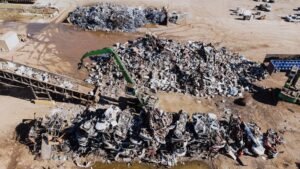
Modern scrap yards are no longer just piles of metal; they are high-tech processing facilities. The integration of AI-driven sorting robots is becoming more common, allowing for the separation of alloys that were previously impossible to distinguish by hand. This technology increases the purity of the final product, which in turn increases the price the yard can pay its suppliers. As a customer, you benefit from this technology through faster processing times and more accurate grading of your materials. The evolution of these facilities is a testament to the sophistication of the recycling sector in Australia.
Conclusion: Why Local Recycling Matters
Choosing to recycle your metal locally in Artarmon is a decision that benefits your wallet, your community, and the planet. By separating your materials, staying informed about market prices, and working with reputable recyclers, you turn discarded items into valuable resources. Whether you are a local resident cleaning out the garage or a business managing industrial waste, the infrastructure for responsible metal recovery is right at your doorstep. Start by auditing your current scrap inventory and reach out to local experts to begin your journey toward a more sustainable and profitable recycling practice.
Frequently Asked Questions
What is the most valuable metal to recycle?
Copper is generally the most valuable non-ferrous metal due to its high demand in electrical and plumbing industries. Purity is the primary factor in determining its value, with ‘bright and shiny’ bare wire fetching the highest prices.
Do I need to clean my scrap metal before bringing it to a yard?
Yes, cleaning your scrap metal significantly increases its value. Removing non-metallic attachments like plastic, rubber, or wood helps recyclers grade your material as ‘clean,’ which commands a higher price than ‘mixed’ or ‘dirty’ scrap.
How do I know if my metal is ferrous or non-ferrous?
The easiest way to tell is by using a magnet. If the magnet sticks to the metal, it is ferrous (iron-based, like steel); if it does not stick, it is non-ferrous (like aluminium, copper, or brass).
Why do scrap metal prices change so often?
Scrap metal prices are a global commodity, meaning they fluctuate based on international supply and demand, manufacturing production, and currency exchange rates. Prices are also affected by the cost of energy and transportation required to process and ship the metal.