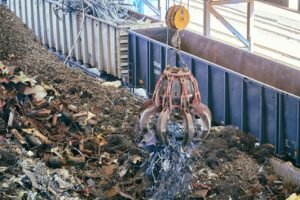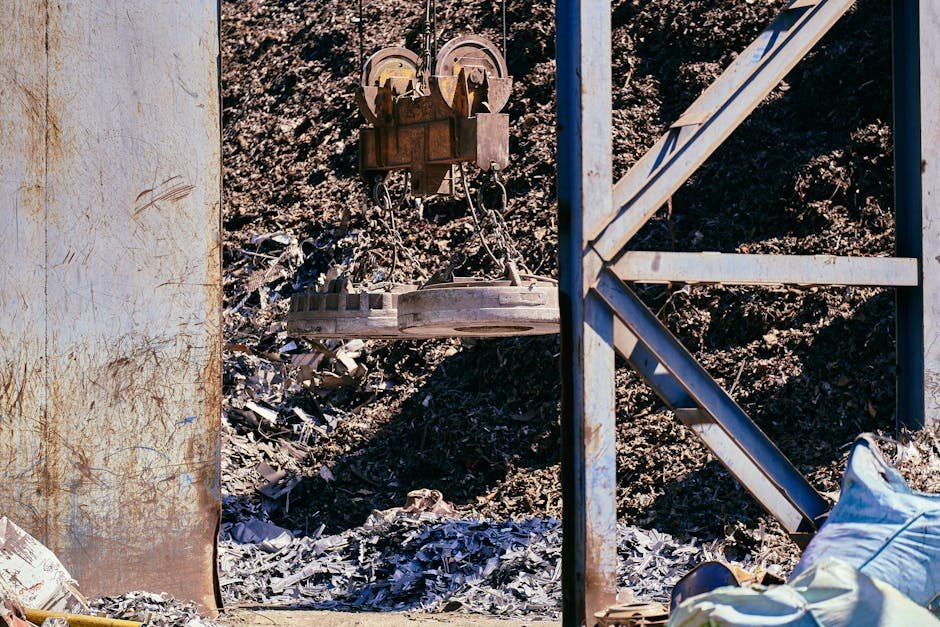

When it comes to artarmon stainless steel recycling, understanding the nuances of the metal market is essential for both commercial contractors and residential recyclers. Artarmon, being a central hub for industrial and commercial activity in Sydney’s Lower North Shore, generates a significant volume of metal waste. Whether you are dealing with industrial offcuts or old kitchen fixtures, knowing how to navigate the local scrap landscape can significantly impact your bottom line.
Understanding Stainless Steel Grades and Market Value
Not all stainless steel is created equal. To succeed in artarmon stainless steel recycling, you must first distinguish between the primary grades. The most common types found in the scrap stream are 304 stainless and 316 stainless. 304 is the “workhorse” of the industry, widely used in kitchen equipment and architectural cladding. In contrast, 316 stainless contains molybdenum, which provides superior corrosion resistance, making it significantly more valuable in the scrap market.
Unlike ferrous metal, which is magnetic and generally lower in value, stainless steel is prized for its high nickel and chromium content. When you visit stainless steel recyclers artarmon, they will test your material to confirm the alloy grade. If you are unsure of what you have, using a Stainless Steel Scrap Calculator Estimate Your Material Value is a critical first step before heading to the yard. By understanding the current steel price per tonne, you can ensure you are not being short-changed on your haul.
It is important to separate your stainless steel scrap from other materials like mild steel or aluminum. Contamination is the leading cause of value loss in the recycling process. If a batch of high-grade 316 is mixed with mild steel, the entire load may be downgraded to a lower price tier. Always keep your sheet metal offcuts separate and organized by grade to ensure you receive the highest possible payout.
How to Maximize Profits in Artarmon
Profitability in the scrap industry is a game of preparation. Many people walk into a yard expecting top-tier prices for mixed, dirty, or contaminated loads. To truly master artarmon stainless steel recycling, you need to follow industry best practices. First, clean your metal. Remove any plastic, wood, or non-metallic attachments. A clean load is a profitable load.
For those looking to scale their recycling efforts, we recommend reading our guide on Stainless Steel Recycling How To Sell Scrap For Maximum Profit. This resource breaks down the logistics of transport, the importance of sorting, and how to time your sales based on market fluctuations. Furthermore, establishing a relationship with professional artarmon stainless steel recyclers will give you access to better pricing structures and more efficient drop-off processes.
If you are a business owner or a contractor, keeping track of your scrap steel output is a great way to recover overhead costs. Whether it is demolition waste or manufacturing byproduct, consistently selling your scrap to a reputable scrap trading platform can turn a waste stream into a secondary revenue source. Always check the daily Stainless Steel Scrap Price before finalizing your transaction to ensure you are operating with the most current market data.
The Environmental Impact of Stainless Steel Recycling
Recycling stainless steel is one of the most effective ways to reduce the environmental footprint of the construction and manufacturing industries. Stainless steel is 100% recyclable without any loss of quality. By recycling, we significantly reduce the energy required to mine, refine, and process virgin ore. The energy savings from using recycled steel compared to raw materials can be as high as 75%.
In the context of Artarmon, local recycling initiatives help reduce the volume of waste sent to landfills. As urban density increases, the demand for sustainable waste management solutions grows. When you choose to recycle, you are supporting a circular economy that keeps valuable metals in the manufacturing loop. For more information on how to manage your industrial waste responsibly, visit Australia’s leading scrap metal resource for comprehensive recycling tips.
It is also worth noting that the chromium and nickel recovered from recycled stainless steel are critical components for high-tech manufacturing. By ensuring your scrap is processed correctly, you are contributing to a supply chain that relies on sustainable resource management. This is why professional sorting is not just a financial decision, but an environmental one.
Logistics and Safety in Scrap Handling
Handling scrap metal carries inherent risks, particularly when dealing with heavy sheet metal or sharp offcuts. When preparing your material for transport, always wear heavy-duty gloves and protective footwear. Ensure that your vehicle or trailer is rated for the weight of the metal you are carrying. Overloading is a common mistake that leads to safety hazards and legal issues on the road.
When arriving at a facility, pay attention to site instructions. Most professional yards have specific zones for different types of metals. Following these protocols ensures that the recycling process remains efficient and safe for everyone involved. If you are handling large volumes of scrap, consider using a skip bin service. Many local recyclers offer pick-up services for large industrial quantities, which can save you significant time and fuel costs.
Remember that the market for scrap metal is global. Geopolitical shifts, mining output, and manufacturing demand all influence the price you see at the scale. By staying informed through industry-standard platforms, you can make smarter decisions about when to hold your stock and when to liquidate it for the best return.
Common Pitfalls to Avoid
One of the most frequent mistakes beginners make is failing to use a magnet to test for contamination. A magnet will stick to ferrous metals (like mild steel) but will not stick to most high-grade stainless steel. If you find a magnet sticking to a piece of metal you thought was stainless, it is likely a lower-grade alloy or a different metal entirely. Sorting these out before you reach the yard will save you time and prevent disappointment at the scale.
Another pitfall is ignoring the “cleanliness” factor. If your stainless steel is covered in oil, grease, or paint, some recyclers may charge a processing fee or offer a lower rate. A quick power wash or degreasing can often pay for itself by moving your material into a higher price bracket. Always ask your local recycler what their specific requirements are for “clean” scrap.
Finally, do not rely on outdated pricing information. The scrap market moves daily. Using a reliable Stainless Steel Scrap Calculator Estimate Your Material Value is the only way to get a baseline expectation of your profit. If you are consistently selling large volumes, consider negotiating a contract price with your preferred recycler to hedge against short-term market volatility.
The Future of the Scrap Metal Industry
The industry is moving toward greater transparency and digital integration. Gone are the days when you had to guess the value of your load. Today, digital platforms allow users to track prices, find verified recyclers, and even schedule pickups from their smartphones. This shift is making the industry more accessible to everyone, from the weekend DIYer to the large-scale industrial firm.
As technology advances, we expect to see better sorting technologies—such as handheld XRF analyzers—becoming more common at the point of sale. These devices can identify the exact chemical composition of a metal in seconds, ensuring that you get paid for the precise alloy grade you are delivering. This level of precision is the future of the scrap market, and it is already beginning to influence how local yards operate.
By participating in the circular economy through responsible recycling, you are helping to build a more sustainable future. Whether you are in Artarmon or elsewhere in Australia, the principles of high-quality sorting, safety, and market awareness remain the same. Keep your materials clean, stay informed on the latest prices, and work with reputable partners to ensure you get the most out of your scrap metal.
Conclusion: Taking Action Today
Recycling stainless steel is a smart, profitable, and environmentally responsible choice. By following the steps outlined in this guide, you can maximize your returns and contribute to a more sustainable industry. Whether you are dealing with small quantities of household scrap or massive industrial loads, the key to success is preparation and knowledge.
Start by identifying your materials, sorting them by grade, and checking the latest market rates. Use the resources provided in this guide to connect with the right professionals and ensure that your scrap metal is handled with the care and precision it deserves. The market rewards those who take the time to do it right, so start your recycling journey today and turn that idle metal into cash.
Frequently Asked Questions
- Question: How can I tell the difference between 304 and 316 stainless steel?
Answer: The most reliable way is through a chemical test or an XRF analyzer, as they look identical. However, 316 stainless is often marked with a stamp or is used in marine/high-corrosion environments, while 304 is standard for kitchen and indoor use. - Question: Does the price of stainless steel change often?
Answer: Yes, the price of stainless steel scrap is highly volatile and fluctuates based on global nickel and chromium prices, as well as supply and demand dynamics in the manufacturing sector. - Question: Do I need to clean my stainless steel before recycling?
Answer: Absolutely. Removing contaminants like plastic, rubber, wood, or excessive grease will ensure you receive the highest price per tonne, as it reduces the labor required by the recycler to process the material. - Question: Is it worth recycling small amounts of stainless steel?
Answer: While small amounts may not yield a large profit, it is always worth recycling to prevent waste from entering landfills. Many recyclers will accept smaller loads, and it is a good practice to accumulate a larger pile over time to make the trip more worthwhile.
Frequently Asked Questions
How can I tell the difference between 304 and 316 stainless steel?
The most reliable way is through a chemical test or an XRF analyzer, as they look identical. However, 316 stainless is often marked with a stamp or is used in marine/high-corrosion environments, while 304 is standard for kitchen and indoor use.
Does the price of stainless steel change often?
Yes, the price of stainless steel scrap is highly volatile and fluctuates based on global nickel and chromium prices, as well as supply and demand dynamics in the manufacturing sector.
Do I need to clean my stainless steel before recycling?
Absolutely. Removing contaminants like plastic, rubber, wood, or excessive grease will ensure you receive the highest price per tonne, as it reduces the labor required by the recycler to process the material.
Is it worth recycling small amounts of stainless steel?
While small amounts may not yield a large profit, it is always worth recycling to prevent waste from entering landfills. Many recyclers will accept smaller loads, and it is a good practice to accumulate a larger pile over time to make the trip more worthwhile.