
Artarmon Steel Recyclers: The Complete Recycling Guide
When searching for reliable artarmon steel recyclers, it is crucial to understand the lifecycle of the materials you are handling. The industrial hub of Artarmon requires a sophisticated approach to waste management, where precision in sorting and logistical efficiency define the value of your scrap. Whether you are a construction firm managing massive amounts of mild steel or a small workshop clearing out sheet metal offcuts, partnering with a professional facility ensures that your waste is handled in compliance with Australian environmental standards.
Understanding the Steel Recycling Process
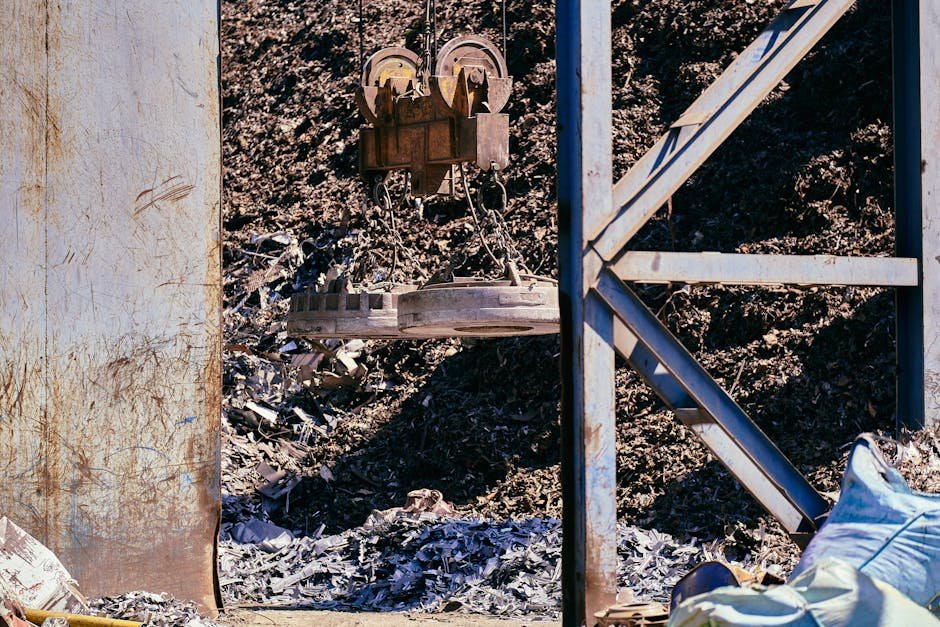
The journey from a discarded beam to a new structural component is a marvel of industrial engineering. When you bring your materials to artarmon steel recyclers, the process begins with rigorous identification. Not all metals are created equal; the difference between high-grade alloys and common ferrous metal determines the final value. Upon arrival, the material is weighed on certified scales to establish the base weight. From there, it moves to the sorting floor where automated magnets, sensor-based sorting, and manual inspection separate the steel from contaminants like rubber, plastic, or concrete.
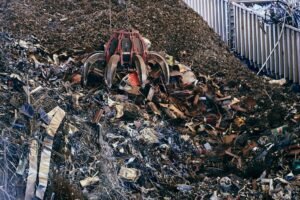
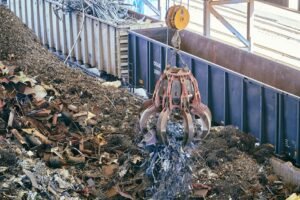
Once sorted, the steel undergoes processing. Large hydraulic shears or shredders are used to reduce the size of the metal, making it easier to transport and melt. This is where industry standards become vital. Understanding Steel Scrap Grading 1 Prepared 2 Prepared Shredded is essential for anyone looking to maximize their return. Properly prepared scrap requires less energy to process, which is reflected in the market pricing. After shredding, the steel is cleaned of residual impurities and compressed into dense bales. These bales are then shipped to foundries where they are melted down in electric arc furnaces to create new steel products, effectively closing the loop on the circular economy.
Drop-off vs. Pickup: Choosing the Right Logistics
For businesses operating in the Lower North Shore, choosing between a drop off and a pickup service is a matter of volume and operational necessity. A drop off is generally more cost-effective for smaller loads or tradespeople who have a trailer and can integrate a trip to the recycling centre into their daily route. This provides immediate access to the facility’s weighbridge and can often lead to faster payment processing.
Conversely, a pickup service is the gold standard for large-scale industrial projects. If your site is generating tonnes of scrap steel weekly, you cannot afford to have your team tied up in logistics. Leading artarmon steel recyclers offer specialized bin services, providing heavy-duty containers that are swapped out on a schedule. This keeps your site clean, safe, and compliant with safety regulations. To understand how to streamline this, read our guide on How Recyclers Find Industrial Scrap Sellers to ensure your business is positioned to receive the best service terms.
The Economic Impact: Maximizing Your Steel Price Per Tonne
The steel price per tonne is a fluid figure, influenced by global supply chain dynamics, energy costs, and the local demand for recycled materials. To get the best value, you must track these fluctuations. It is not just about the weight; it is about the purity of the load. Contamination is the single biggest factor that reduces the value of your scrap. Even a small amount of non-ferrous material mixed into a bin of steel can downgrade the entire shipment.
For those handling more than just steel, it is worth noting that specialized yards also handle other metals. If you are dealing with high-value materials, you should check the current Stainless Steel Scrap Price to ensure you are not under-selling your high-grade alloys. Additionally, for non-ferrous needs, many local businesses also look for aluminium recyclers artarmon to handle their light-metal waste. By consolidating your recycling with a reputable provider like those found at steel recyclers artarmon, you can often negotiate better terms based on the total volume of different metals you supply.
Environmental Stewardship and Sustainability
Recycling steel is one of the most effective ways to reduce industrial carbon footprints. Producing steel from virgin ore is an energy-intensive process that involves mining, crushing, and smelting at extreme temperatures. By contrast, recycling existing steel requires significantly less energy—often up to 75% less—than producing new steel from raw iron ore. Every tonne of scrap steel recycled saves approximately 1.5 tonnes of iron ore, 0.5 tonnes of coal, and 40% of the water used in traditional production.
Beyond energy savings, recycling prevents massive volumes of waste from ending up in landfills. In a dense urban environment like Artarmon, space is at a premium. Industrial waste that is not recycled represents a lost resource and a growing environmental liability. By participating in a robust recycling program, your business contributes to a circular economy where materials are kept in use for as long as possible. For more insights on how to optimize your business’s environmental impact, visit Scrap Trade Australia for industry-leading resources.
Safety and Compliance in the Recycling Centre
Operating a recycling facility is inherently dangerous work. As a supplier, your role in safety starts before you even reach the gate. Ensure that your loads are properly secured and that you are aware of the traffic management plans at the recycling centre. When arriving for a drop off, always wear high-visibility clothing and steel-capped boots. Follow the directions of the site staff, as they are managing heavy machinery, including forklifts and cranes, that may have limited visibility.
Compliance also extends to the types of materials accepted. Hazardous materials, such as pressurized cylinders, sealed containers, or radioactive scrap, are strictly prohibited. These items can cause catastrophic explosions or toxic leaks when processed in a shredder. Always verify with the facility if you are unsure about a specific item. Being a responsible supplier means providing clean, safe, and sorted loads, which builds trust with your recycler and often results in better long-term pricing and service reliability. For a comprehensive overview of industry best practices, you can also explore the main portal at Scrap Trade.
Future Trends: Technology in Steel Recycling
The steel recycling industry is currently undergoing a digital transformation. We are seeing the integration of AI-driven sorting technologies that can identify metal alloys in milliseconds, far faster than human eyes. This technology ensures that the quality of recycled steel is higher than ever, allowing it to be used in more demanding applications, such as automotive manufacturing and high-rise construction. As these technologies become more accessible to local artarmon steel recyclers, the quality of the final product will continue to rise.
Furthermore, blockchain technology is being explored to track the provenance of scrap metal. This allows manufacturers to prove the recycled content of their products, which is becoming a requirement for sustainability certifications like LEED or Green Star. For businesses in Artarmon, this means that your scrap is no longer just ‘waste’—it is a traceable commodity that helps your customers meet their own ESG (Environmental, Social, and Governance) goals. Staying informed about these trends will help you remain a preferred supplier in a competitive market.
Strategic Planning for Industrial Scrap Management
If your business generates ongoing scrap, you need a strategy. Don’t treat your scrap as an afterthought. Set aside a dedicated space on your site for sorting. Use clearly labeled bins for different types of metals—keep your mild steel separate from your sheet metal and high-grade alloys. This simple step can increase your returns significantly. When you present a clean, pre-sorted load to a recycler, you are providing a service that saves them time and labor, and that value is returned to you in the form of better pricing.
Regular communication with your recycler is also key. Market conditions change, and so do the needs of the recycling facility. If you have a large demolition project coming up, give your recycler a heads-up. They may be able to provide specialized equipment or schedule pickups to coincide with your site clearance, ensuring that you don’t have piles of metal sitting around as a safety hazard. Treat your scrap recycler as a partner in your supply chain, not just a place to dump waste, and you will find that your waste management costs turn into a reliable revenue stream.
Conclusion
Navigating the world of steel recycling in Artarmon is about more than just finding a place to drop off old metal. It is about understanding the value of your materials, the logistics of transport, and the environmental impact of your operations. By choosing professional artarmon steel recyclers, you ensure that your business operates efficiently, safely, and sustainably. Whether you are managing small-scale workshop waste or massive industrial demolition projects, the principles of sorting, grading, and proactive logistics remain the same. Start by auditing your current waste streams, educating your staff on proper sorting, and building a relationship with a recycler who understands the specific needs of your business. The transition to a circular economy is well underway, and by participating, you are not only improving your bottom line but also contributing to a cleaner, more efficient industrial future for Australia.
Frequently Asked Questions
What is the best way to prepare my steel scrap for recycling?
To get the best value, ensure your steel is free from contaminants like plastic, wood, or concrete. Sorting your scrap by grade—such as separating mild steel from high-grade alloys—will significantly improve the price you receive.
Do I need an appointment for a scrap drop-off in Artarmon?
While many facilities accept drop-offs during standard business hours, it is always best to call ahead, especially for large loads. This ensures the facility has the capacity to process your material and can direct you to the correct unloading zone.
How is the price of steel scrap determined?
The price is influenced by global market demand, the purity of your scrap, and the current cost of energy and logistics. Higher quality, cleaner, and well-sorted loads generally command a better price per tonne.
Is there a minimum amount of scrap required for a pickup service?
Most recyclers have a minimum volume requirement for a free pickup service to cover transportation costs. Contact your local recycler to discuss your expected volumes and see if you qualify for a bin service.