
In the dynamic world of metal reclamation, assorted scrap represents one of the most common and vital streams for the recycling industry. This term encompasses a broad range of discarded metallic items that, rather than being destined for landfill, are valuable resources waiting to be given a new life. For homeowners clearing out a garage, tradespeople with leftover job materials, or businesses with regular industrial waste, understanding assorted scrap is the first step towards contributing to a more sustainable economy and potentially earning a return on what was once considered waste. This comprehensive guide will delve into what constitutes this category, how it is graded, the intricate journey it takes through the recycling process, and the profound environmental benefits this cycle creates for Australia and the planet.
What Exactly is Assorted Scrap?
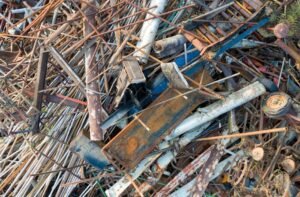
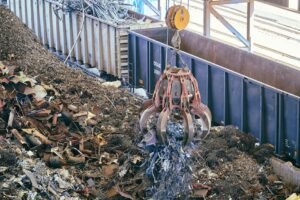
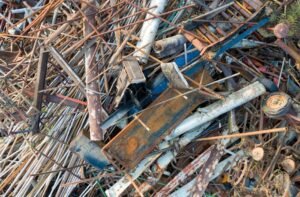
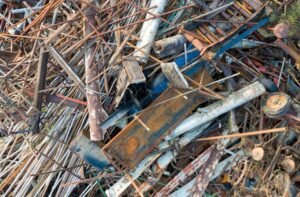
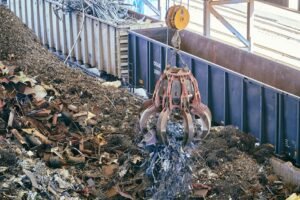
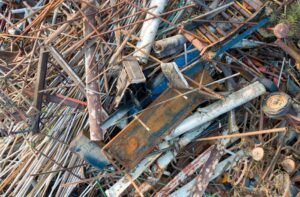
Assorted scrap is not a single type of material but a collection of various scrap metals. It typically refers to a mix that hasn’t yet been sorted into pure, homogenous piles. A load of assorted scrap might contain a combination of ferrous metals (those that contain iron and are magnetic, like steel and iron) and non-ferrous metals (which contain no iron and are non-magnetic, such as copper, aluminium, brass, and stainless steel). Common examples found in an assorted pile include old pots and pans, various types of piping, mixed wire, car parts, bicycle frames, shelving brackets, and leftover pieces from manufacturing. The key characteristic is its mixed nature, which requires further processing to separate the valuable components. This is the fundamental concept behind What Is Scrap Trade – the systematic collection, sorting, and trading of these materials.
Understanding the Different Grades of Scrap Metal
Not all scrap is created equal. The value, processing method, and end use of recycled metal are heavily dependent on its type and purity. The industry classifies scrap into precise grades to streamline trading and processing. While assorted scrap is a starting point, it is ultimately broken down into these distinct categories.
Ferrous Scrap Metals
Ferrous metals are primarily iron-based and are known for their strength and magnetic properties. They are the most recycled materials globally by volume.
- Heavy Melting Steel (HMS): One of the most common grades, comprising of old, thick steel sections like railroad tracks, girders, and heavy machinery parts. It is divided into HMS 1 and HMS 2 based on thickness and copper content.
- Cast Iron: Often found in engine blocks, old bathtubs, and machinery bases. It is brittle and has a high carbon content.
- Shredded Scrap: Produced by feeding mixed assorted scrap, especially from vehicles, through a powerful shredder. The resulting small, homogenous pieces are easy to handle and melt.
- Turnings and Borings: These are the swarf and chips produced from machining and drilling steel parts in manufacturing facilities.
Non-Ferrous Scrap Metals
Non-ferrous metals are typically more valuable per kilogram than ferrous metals due to their properties and the greater energy savings achieved by recycling them. Sorting these from the mixed pile is a primary goal.
- Copper: The king of non-ferrous scrap, it has excellent conductivity. Grades include #1 copper (clean, uncoated wire), #2 copper (slight oxidation or solder), and light copper (thin gauge sheet).
- Aluminium:
Australian buyers and sellers – visit scraptrade.com.au.
Related: Sell Scrap
Related: Scrap
Related: what is scrap trading
Related: scrap material
Frequently Asked Questions
What is the difference between ferrous and non-ferrous scrap?
Ferrous scrap contains iron and is magnetic, common in steel and cast iron items like cars and machinery. Non-ferrous scrap lacks iron, is non-magnetic, and includes more valuable metals like copper, aluminium, and brass from wiring, pipes, and electronics.
How is assorted scrap sorted for recycling?
Assorted scrap undergoes a multi-stage sorting process. Initial manual sorting is followed by powerful magnets to remove ferrous metals. Then, technologies like eddy current separators, air classifiers, and sometimes even advanced spectral analysers are used to separate different non-ferrous metals by type and density.
Why is recycling scrap metal better for the environment?
Recycling metal conserves natural resources by reducing the need for virgin ore mining. It saves enormous amounts of energy—recycling aluminium uses 95% less energy than producing it from raw materials. It also significantly reduces greenhouse gas emissions and air pollution compared to traditional smelting.
Can I make money from my assorted scrap metal?
Yes, you can. The value depends on the type, weight, and market prices of the metals in your scrap. Sorting your metals into clean categories (e.g., separating copper wire from aluminium siding) will typically yield a higher return than selling it as a mixed lot.