
The term ausmetals broadly describes the dynamic and increasingly sophisticated scrap metal trading and recycling landscape within Australia. This comprehensive guide will delve into all facets of this industry, from the types of metals commonly traded to the regulatory environment, pricing factors, and the role of modern trading platforms. Understanding ausmetals is crucial for businesses generating scrap, those seeking to source recycled materials, and anyone interested in sustainable resource management.
What is the Australian Scrap Metal Industry?
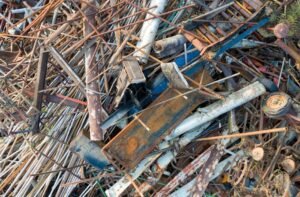
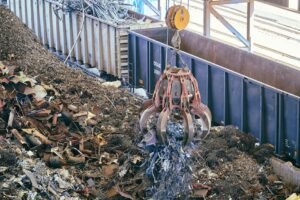
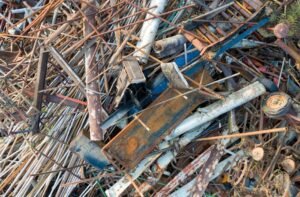
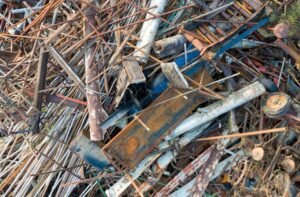
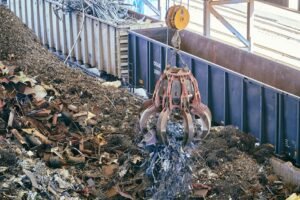
Australia’s scrap metal industry is a significant contributor to the nation’s economy and environmental sustainability. It involves the recovery and processing of metallic waste from a wide range of sources, including manufacturing, construction, demolition, end-of-life vehicles, and household appliances. This recovered material is then sorted, processed, and sold as a raw material for remelting and reuse in various industries. The industry isn’t just about environmental responsibility; it’s a substantial economic driver, creating jobs and reducing reliance on virgin resources.
The industry is characterized by a network of collectors, processors (often called scrap yards), and brokers who facilitate the trade of materials. Modernization is rapidly changing the landscape, with online platforms like Scrap Trade connecting buyers and sellers directly, increasing transparency and efficiency. The growth of the industry is also linked to increasing global demand for recycled materials, particularly from rapidly industrializing nations.
Commonly Traded Metals in Ausmetals
The ausmetals market deals with a diverse range of metallic materials, each with its own unique characteristics and pricing. Here’s a breakdown of the most commonly traded metals:
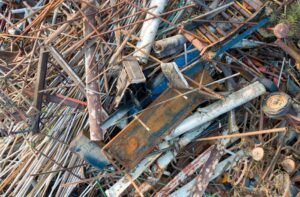
- Ferrous Metals: These metals contain iron and are magnetic. The most prominent ferrous metal is steel, which comes in various grades (e.g., light steel, heavy steel, cast iron). Steel is widely used in construction, automotive manufacturing, and infrastructure projects.
- Non-Ferrous Metals: These metals do not contain iron and are generally more valuable than ferrous metals due to their scarcity and unique properties. Key non-ferrous metals include:
- Aluminum: Lightweight, corrosion-resistant, and highly recyclable, aluminum is used in packaging, transportation, and construction.
- Copper: An excellent conductor of electricity and heat, copper is essential for electrical wiring, plumbing, and industrial machinery.
- Brass: An alloy of copper and zinc, brass is known for its durability and aesthetic appeal, used in plumbing fixtures, musical instruments, and decorative items.
- Stainless Steel: A corrosion-resistant alloy of steel, chromium, and other elements, stainless steel is used in food processing, medical equipment, and architectural applications.
- Lead: Historically used in batteries, plumbing, and radiation shielding, lead recycling is heavily regulated due to its toxicity.
- Zinc: Used for galvanizing steel to prevent corrosion, zinc is also used in die-casting and battery production.
- Precious Metals: While representing a smaller volume of the overall market, precious metals like gold, silver, platinum, and palladium are recovered from electronic waste (e-waste) and industrial catalysts.
Factors Influencing Ausmetals Pricing
Scrap metal prices are notoriously volatile, influenced by a complex interplay of global and local factors. Understanding these factors is crucial for maximizing returns when selling scrap or securing competitive pricing when buying. Key influences include:
- Global Commodity Prices: The prices of virgin metals (e.g., steel, aluminum, copper) on international commodity exchanges (e.g., London Metal Exchange) directly impact scrap metal prices. When virgin metal prices rise, demand for scrap increases, driving up scrap prices.
- Supply and Demand: Local supply and demand dynamics play a significant role. Increased industrial activity or construction projects can boost demand for scrap, while a surplus of scrap material can depress prices.
- Currency Exchange Rates: Fluctuations in the Australian dollar (AUD) against major currencies (e.g., USD) can affect the profitability of exporting scrap metal.
- Grade and Quality: The purity and quality of the scrap metal significantly impact its value. Higher grades with minimal contamination command premium prices.
- Processing Costs: The cost of collecting, sorting, processing, and transporting scrap metal influences the final price offered to sellers.
- Regional Variations: Prices can vary across different regions of Australia due to transportation costs and local market conditions.
Regulations and Compliance in the Ausmetals Industry
The Australian scrap metal industry is subject to a range of regulations at both the state and federal levels. These regulations aim to ensure environmental protection, prevent theft, and promote responsible recycling practices. Key regulatory areas include:
- Environmental Regulations: State environmental protection authorities (EPAs) regulate the storage, handling, and processing of scrap metal to minimize pollution and environmental damage.
- Waste Management Regulations: Scrap metal is classified as a waste material, and its handling and disposal are governed by waste management regulations.
- Security of Title Regulations: These regulations aim to prevent the theft of scrap metal and require sellers to provide proof of ownership.
- Dangerous Goods Regulations: Certain scrap metal materials, such as lead-acid batteries, are classified as dangerous goods and require specific handling and storage procedures.
- Reporting Requirements: Scrap metal processors are often required to report the quantities of materials they process to government agencies.
Compliance with these regulations is essential for all participants in the ausmetals industry. Failure to comply can result in fines, penalties, and even the closure of businesses.
The Role of Technology and Online Platforms
Technology is transforming the scrap metal industry, making it more efficient, transparent, and accessible. Online trading platforms like Scrap Trade Australia are connecting buyers and sellers directly, eliminating intermediaries and reducing transaction costs. These platforms offer several benefits:
- Increased Transparency: Real-time pricing information and market data empower buyers and sellers to make informed decisions.
- Wider Market Reach: Online platforms connect businesses with a broader network of potential buyers and sellers across Australia and internationally.
- Streamlined Transactions: Online platforms simplify the buying and selling process, reducing paperwork and administrative overhead.
- Improved Efficiency: Automated processes and digital tools streamline logistics and inventory management.
Furthermore, advancements in sorting and processing technologies, such as automated sorting systems and shredders, are improving the efficiency and quality of scrap metal recovery. The industry is also exploring the use of blockchain technology to enhance traceability and transparency in the supply chain.
Future Trends in Ausmetals
The ausmetals industry is poised for continued growth and innovation in the coming years. Several key trends are shaping the future of the industry:
- Increased Focus on Sustainability: Growing environmental awareness and stricter regulations are driving demand for recycled materials.
- Circular Economy Initiatives: The adoption of circular economy principles, which aim to minimize waste and maximize resource utilization, will further boost the demand for scrap metal.
- E-Waste Recycling: The increasing volume of electronic waste (e-waste) presents a significant opportunity for recovering valuable metals like gold, silver, and copper.
- Advanced Recycling Technologies: Continued investment in advanced recycling technologies will improve the efficiency and effectiveness of scrap metal recovery.
- Digitalization and Automation: The adoption of digital technologies and automation will continue to transform the industry, making it more efficient and transparent.
Recently, Scraptrade Recognises Sands Industries With The Australian Industrial Innovation Award 2025, highlighting the importance of innovation within the sector. The global reach of platforms like Scrap Trade is also expanding, with dedicated services for international markets, such as 한국 폐금속 업계를 위한 글로벌 온라인 스크랩 거래 and グローバル廃金属取引プラットフォームが正式サ.
Maximizing Value from Your Scrap Metal
Whether you’re a business generating scrap metal as a byproduct of your operations or an individual looking to dispose of unwanted metal items, here are some practical tips for maximizing value:
- Sort Your Scrap: Separate different types of metals (ferrous, non-ferrous, etc.) to achieve higher prices.
- Remove Contaminants: Remove any non-metallic materials (e.g., plastic, wood, rubber) from the scrap metal.
- Clean the Scrap: Clean the scrap metal to remove dirt, oil, and other contaminants.
- Negotiate Prices: Get quotes from multiple scrap metal buyers to ensure you’re getting a fair price.
- Consider Transportation: Factor in transportation costs when evaluating offers from different buyers.
- Stay Informed: Keep abreast of market trends and price fluctuations to optimize your selling strategy.
Conclusion
The ausmetals industry is a vital component of Australia’s sustainable future. By understanding the dynamics of this market, embracing technological advancements, and adhering to regulatory requirements, businesses and individuals can contribute to a more circular economy and unlock the economic and environmental benefits of scrap metal recycling. The future of the industry is bright, driven by innovation, sustainability, and the increasing demand for recycled materials.
Related: 한국 폐금속 업계를 위한 글로벌 온라인 스크랩 거래
Related: グローバル廃金属取引プラットフォームが正式サ
Frequently Asked Questions
What is the best time to sell scrap metal?
Generally, prices tend to be higher during periods of strong global demand for metals, often in the spring and fall. However, prices fluctuate constantly, so it’s best to monitor market trends and sell when you see a favorable opportunity.
What types of scrap metal are the most valuable?
Non-ferrous metals like copper, aluminum, brass, and stainless steel are typically more valuable than ferrous metals like steel. Precious metals recovered from e-waste also command high prices.
What are the legal requirements for selling scrap metal in Australia?
Sellers are generally required to provide proof of identification and ownership of the scrap metal. Specific requirements vary by state and territory, so it’s important to check with your local authorities.
How can online platforms like Scrap Trade help me?
Scrap Trade connects buyers and sellers directly, providing transparent pricing, wider market reach, and streamlined transactions. This can help you get the best price for your scrap metal and reduce administrative overhead.