
B2B scrap metal collection is a critical component of the circular economy in Australia, enabling businesses to recover valuable materials while minimizing environmental harm. Understanding the grades of scrap metal, the recycling process, and the environmental benefits of B2B scrap metal collection can help industries optimize their waste management strategies. By partnering with expert recyclers, companies can turn waste into revenue while contributing to global sustainability goals.
Overview of B2B Scrap Metal Collection
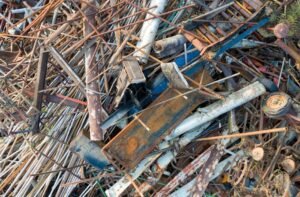
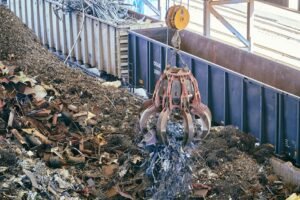
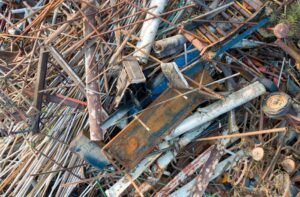
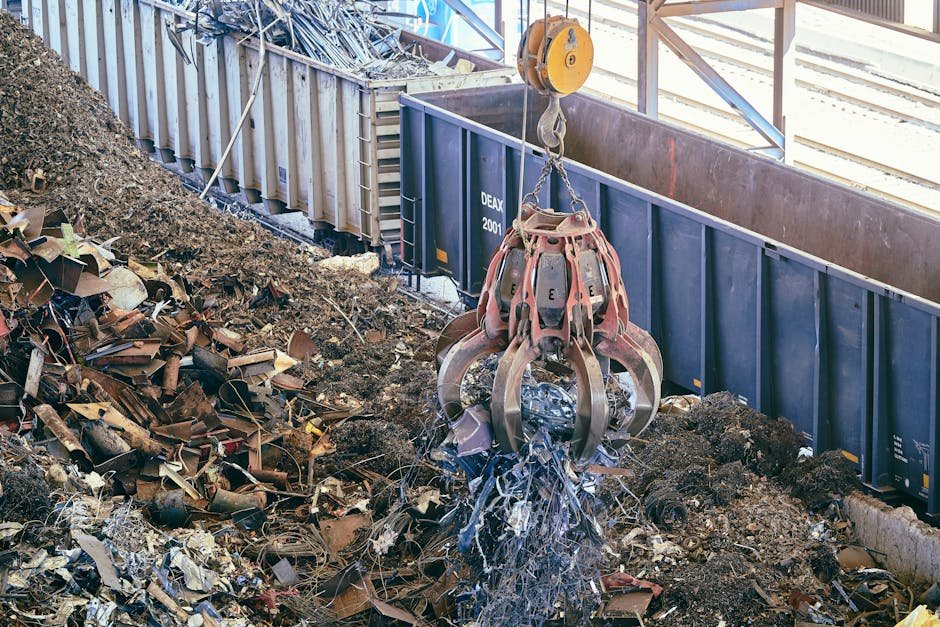
B2B scrap metal collection involves the systematic recovery of metal waste from industrial, commercial, and construction operations. This process ensures that materials like steel, aluminium, copper, and brass are repurposed rather than discarded in landfills. For Australian businesses, efficient scrap metal collection is not just an environmental imperative but also an economic opportunity. Platforms like scrap.trade connect businesses with certified recyclers, streamlining the logistics of metal recovery and sale.
Understanding Grades of Scrap Metal
Scrap metal is categorized into grades based on material type, purity, and application. Common grades include:
- Ferrous Metals: Iron and steel, identified by their magnetic properties. Examples include demolition scrap, factory turnings, and end-of-life vehicles.
- Non-Ferrous Metals: Non-magnetic metals like copper, aluminium, zinc, and brass. These are prized for their conductivity and corrosion resistance.
- Mixed Scrap: A combination of ferrous and non-ferrous materials, often sorted mechanically during processing.
Accurate grading is essential to determine the scrap’s value. For instance, scrap metal collection services use specialized equipment to separate and classify materials, ensuring optimal returns for businesses.
The B2B Scrap Metal Recycling Process
Recycling scrap metal involves several stages, each critical for environmental and economic efficiency:
- Collection: Businesses arrange for pickup via platforms like scrap metal collection, where certified haulers transport materials to processing facilities.
- Sorting and Grading: Advanced technologies such as X-ray fluorescence (XRF) and eddy current separators identify and categorize metals by grade.
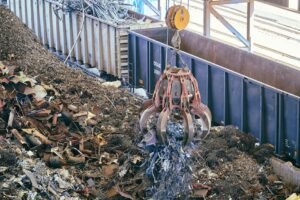
- Processing: Metals are shredded, compacted, or melted depending on their intended reuse. For example, steel is often melted in electric arc furnaces.
- Repurposing: Recycled metals are sold to manufacturers for new products, reducing the need for virgin material extraction.
Platforms like Sell Scrap Metal Near Me In 2026 provide real-time pricing data, helping businesses maximize their returns.
Environmental Benefits of Metal Recycling
Recycling scrap metal offers substantial environmental advantages:
- Energy Savings: Recycling aluminium uses 95% less energy than producing it from bauxite. Similarly, steel recycling reduces energy consumption by 75%.
- CO2 Reduction: The metal recycling industry in Australia avoids over 3 million tonnes of CO2 emissions annually.
- Landfill Diversion: Efficient Scrap Metal Recycling Near Me services prevent metal waste from clogging landfills, which can leach toxins into soil and water.
- Resource Conservation: Recycling extends the lifespan of finite resources like iron ore and copper, ensuring their availability for future generations.
By prioritizing B2B scrap metal collection, Australian industries align with global sustainability targets, such as the UN’s circular economy goals.
Practical Tips for Efficient B2B Scrap Metal Collection
Maximize the value and efficiency of your scrap metal collection with these strategies:
- Sort On-Site: Separate ferrous and non-ferrous metals before collection to simplify processing and increase your payout.
- Track Market Trends: Use platforms like scrap.trade to monitor metal price fluctuations and time sales accordingly.
- Partner with Certified Recyclers: Choose recyclers with ISO 14001 certification to ensure ethical practices and compliance with Australian regulations.
- Optimize Storage: Store scrap metal in designated areas to prevent contamination and make collection easier.
For seamless logistics, consider scrap metal collection near me services that offer customized pickup schedules and reporting.
Choosing the Right Recycling Partner for Your Business
Selecting a reliable partner for B2B scrap metal collection is crucial. Key factors to evaluate include:
- Reputation and Experience: Prioritize recyclers with a proven track record in handling your industry’s specific metal grades.
- Technology and Equipment: Advanced sorting tools, like optical sorters and metal detectors, ensure accurate grading and higher payouts.
- Logistical Support: Look for partners offering flexible collection options, such as Scrap Metal Collection services with GPS-tracked trucks.
- Transparent Pricing: Choose providers that offer clear pricing models and real-time market updates.
Platforms like scraptrade.com.au provide verified listings of recyclers, making it easier to find trustworthy partners.
Frequently Asked Questions (FAQs)
What are the most valuable grades of scrap metal?
Copper and aluminium are typically the most valuable due to their high conductivity and demand in electronics and construction.
How long does the recycling process take?
From collection to repurposing, the process takes 1-3 weeks, depending on facility capacity and metal complexity.
Can I recycle small quantities of scrap metal?
Yes. Many recyclers, including Sell Scrap Metal Near Me In 2026, accept small batches, especially non-ferrous metals.
How does recycling reduce carbon emissions?
Recycling avoids the energy-intensive mining and refining of raw materials, cutting greenhouse gas emissions by up to 90% for certain metals.
Frequently Asked Questions
What are the most valuable grades of scrap metal?
Copper and aluminium are typically the most valuable due to their high conductivity and demand in electronics and construction.
How long does the recycling process take?
From collection to repurposing, the process takes 1-3 weeks, depending on facility capacity and metal complexity.
Can I recycle small quantities of scrap metal?
Yes. Many recyclers, including Sell Scrap Metal Near Me In 2026, accept small batches, especially non-ferrous metals.
How does recycling reduce carbon emissions?
Recycling avoids the energy-intensive mining and refining of raw materials, cutting greenhouse gas emissions by up to 90% for certain metals.