
For Australian businesses generating metal waste, professional b2b scrap metal sevices represent a strategic opportunity to convert waste streams into revenue while advancing sustainability goals. This comprehensive guide explores the technical classifications, operational processes, and ecological advantages underpinning Australia’s AU$5.3 billion metal recycling industry, providing industrial decision-makers with actionable insights for optimizing scrap management.
The Critical Importance of Scrap Metal Recycling in Australia
Australia generates approximately 67 million tonnes of waste annually, with metals constituting 18% of the industrial/commercial stream according to the National Waste Report. Unlike municipal waste, commercial scrap metal possesses inherent residual value that professional b2b scrap metal sevices systematically capture. The Australian recycling industry recovers over 90% of structural steel and 75% of aluminium from demolition and manufacturing sources, diverting millions of tonnes from landfills annually. This circular approach reduces pressure on virgin resources – particularly critical given Australia exports over 80% of its iron ore production – while creating domestic economic value through reprocessing infrastructure like NSW’s LIBERTY Steelworks and Victoria’s Capral Aluminium smelters.
Decoding Scrap Metal Grades: The Industry Classification System
Accurate grading forms the foundation of all professional b2b scrap metal transactions. Australian recyclers adhere to international standards (ISRI, DIN) with local adaptations:
Ferrous Metals (Iron-Based)
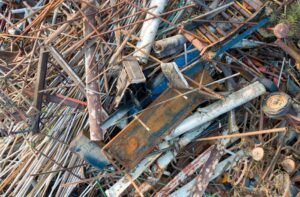
- Heavy Melting Steel (HMS 1 & 2): Minimum 1/4″ thickness, 5x2ft dimensions. HMS1 commands premium pricing with under 0.25% copper content
- Busheling: Clean factory off-cuts under 12″ – essential for electric arc furnace steelmaking
- Shredded Scrap: Fragmented material from automobile processing with controlled density (70-85lb/cu ft)
Non-Ferrous Metals
- Copper Grades: Bare Bright (>99.9%), #1 Tubing (clean, uncoated), #2 (slight oxidation)
- Aluminium Classifications: Extrusion (6063 alloy), Cast (contaminated with iron), Turnings (coated with oil)
- Stainless Steel: 304 (nickel-chromium), 316 (molybdenum), 400 Series (magnetic)
Businesses can verify current classifications and benchmark their material against the latest Scrap Metal Prices before engaging a scrap metal buyer.
The Industrial Recycling Workflow: From Waste to Resource
Professional b2b scrap metal sevices employ sophisticated logistics and processing chains:
Step 1: Professional Collection & Documentation
Specialised transporters equipped with certified weighbridges handle collection. For businesses generating over 500kg/month, operators provide lockable bins with GPS tracking. Crucially, all transfers are documented through Waste Transport Certificates meeting state EPA requirements and Materials Safety Data Sheets for hazardous components like refrigerants.
Step 2: Advanced Processing Technologies
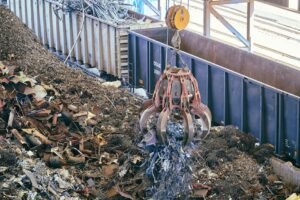
Upon arrival at a licensed metal scrap yard, materials undergo:
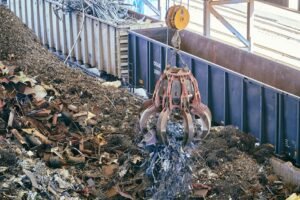
- Fragmentation: 5,000hp shredders process 150+ tonnes/hour
- Separation: Eddy current separators recover non-ferrous; rare-earth magnets extract ferrous
- Spectrometry: Handheld XRF analysers verify alloy compositions within 0.01% accuracy
Step 3: Commoditization & Resale
Processed materials are compacted into industry-standard bundles (1m³ bales weighing 1.5-2 tonnes) meeting mill specifications. Major domestic consumers include BlueScope Steel (Port Kembla), Tomago Aluminium, and Capral extrusion plants. Export-grade material must comply with Australian Harmonized Export Commodity Classification codes.
Environmental ROI: Beyond Carbon Accounting
The ecological advantages of professional metal recycling extend far beyond basic diversion metrics:
- Energy Conservation: Aluminium recycling consumes 95% less energy than primary production – a critical factor given Australia’s industrial electricity prices average AU$0.12-0.18/kWh
- Water Preservation: Steel recycling uses 40% less water per tonne than virgin production, saving ~11,000 litres per tonne
- Emission Reductions: Every tonne of recycled copper prevents 15 tonnes of CO2-equivalent emissions through avoided mining
- Resource Security: Australia imports 100% of its tin and 75% of zinc requirements – recycling provides domestic supply buffers
Businesses leveraging Scrap Metal Recycling Near Me services can typically document 25-40% reductions in Scope 3 emissions.
Optimising Your Scrap Management Program
Industrial generators maximise returns through these operational best practices:
Material Preparation Protocols
- Separate metals at source using colour-coded bins (copper-red, aluminium-silver, steel-blue)
- Degrease components exceeding 3% oil contamination to avoid downgrades
- Remove non-metallic attachments (plastic, rubber, concrete) which attract penalty charges
Commercial Considerations
- Schedule collections when scrap prices peak seasonally (Q1 for construction metals)
- Negotiate value-sharing agreements where processors handle logistics at no cost
- Require processors to provide ANZPAC Recycling Standard certification
For forward planning, consult our Sell Scrap Metal Near Me In 2026 forecast.
Selecting Your Recycling Partner: Due Diligence Checklist
Verify potential suppliers against these criteria:
- Licensing: Valid state EPA transporter/license numbers (e.g., VIC EPA T12877)
- Insurance: Minimum AU$20 million public liability coverage
- Technology: On-site spectrometers and documented quality control processes
- Transparency: Real-time scale cameras and itemised weight tickets
The Future Landscape: Regulatory and Market Shifts
Australian businesses must prepare for:
- 2025 Federal Ban on Whole Product Landfilling (appliances, vehicles)
- Expanded Producer Responsibility schemes covering solar panels and batteries
- Carbon Border Adjustments favouring low-emission recycled content
Forward-thinking companies are already establishing traceability systems using blockchain platforms like ScrapTrade’s digital ledger to document recycled content percentages.
Conclusion: Strategic Value Creation
Optimised b2b scrap metal services deliver compound benefits: direct revenue streams from waste valorization (typically 0.5-3% of manufacturing COGS), demonstrable progress toward ESG targets, and enhanced resource security. As Australia progresses toward its National Waste Policy Action Plan targets (80% resource recovery by 2030), businesses implementing professional scrap management systems will gain both competitive advantage and regulatory preparedness. For comprehensive materials profiling and custom recycling solutions, explore Scrap.Trade’s industrial partnerships.
Frequently Asked Questions
What determines scrap metal pricing in Australia?
Scrap values are primarily driven by London Metal Exchange benchmarks, adjusted for local factors including freight costs, processing expenses, and domestic demand. Ferrous metals typically trade at $120-$300/tonne, while high-grade copper can exceed $9,000/tonne. Current Scrap Metal Prices reflect real-time market conditions.
How do businesses ensure regulatory compliance in scrap recycling?
Compliance requires: 1) Valid waste transporter licenses for each state of operation, 2) Accurate Waste Transport Certificates, 3) Material Safety Data Sheets for hazardous components, and 4) Reporting under the National Greenhouse and Energy Reporting scheme. Reputable processors handle documentation on behalf of clients.
What contamination levels trigger scrap downgrades?
Tolerance thresholds vary: copper requires <0.5% non-metallic content for 'Bare Bright' grade; aluminium extrusion must have <2% iron contamination; steel shred cannot exceed 0.25% copper for HMS1 classification. Oil contamination >3% by weight typically downgrades machining turnings.
How does scrap metal recycling benefit Australia’s economy?
The metal recycling sector contributes $5.3 billion annually to GDP, employs over 5,600 Australians directly, and reduces import dependency. Recycling one tonne of aluminium locally generates $18,800 in economic value versus $8,200 for exporting raw bauxite. It also stabilises manufacturing costs by providing domestic material sources.