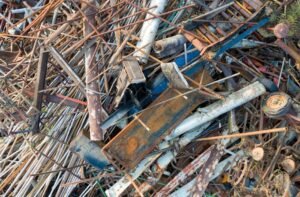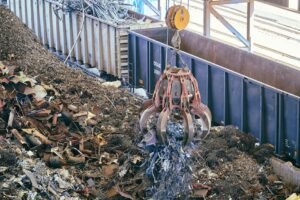

The industrial and commercial world generates vast quantities of metal waste, but for the astute business, this ‘waste’ is a valuable commodity. This comprehensive guide delves into the critical domain of b2b scrap, a systematic and lucrative sector built on the principles of resource recovery. We will explore the intricate grading system that dictates value, the detailed process of how scrap is transformed back into raw material, and the profound environmental and economic advantages that make engaging in the scrap trade an essential strategy for modern Australian enterprises. Understanding this ecosystem is key to turning your operational by-products into a revenue stream and bolstering your company’s sustainability credentials.
What is B2B Scrap? Defining the Industrial Commodity
Unlike individual or consumer scrap, B2B scrap (Business-to-Business scrap) involves the large-scale generation and trading of recyclable materials between commercial entities. This includes manufacturers with production off-cuts, construction and demolition companies recovering materials from sites, auto wreckers processing end-of-life vehicles, and electrical wholesalers dealing with obsolete equipment. The volumes are substantial, often requiring dedicated logistics like industrial bins, roll-on-off containers, and specialised haulage. The entire scrap ecosystem for businesses is built on efficiency, volume, and precise classification to ensure every tonne of material is accounted for and directed to its highest-value use. It is a fundamental link in the modern circular economy, ensuring that metal, a permanently available resource, stays in use for as long as possible.
The Lifecycle of Scrap Metal: From Waste to New Product
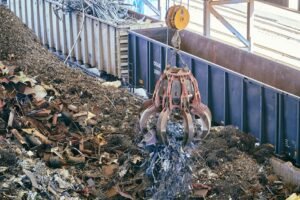
The journey of industrial scrap is a remarkable process of transformation. It begins at the point of generation within a factory, on a demolition site, or at a workshop. The first and most crucial step is segregation; different metals must be kept separate to maintain their grade and value. Contaminated or mixed loads are heavily discounted. Once collected, the material is transported to a specialised yard for processing. This involves shearing, shredding, baling, and torching to reduce the size of large items and separate different materials. The processed scrap is then shipped to mills and foundries, both domestically and internationally, where it is melted in vast furnaces. This molten metal is cast into new forms—ingots, billets, slabs—which become the raw material for manufacturing new products, from construction rebar and automotive parts to food packaging and electronics. This闭环 (closed loop) is the core of metal sustainability.
Understanding Scrap Metal Grades: A Detailed Classification
The value of your scrap is almost entirely determined by its grade. Grading is a complex but standardised language that ensures fair trading. It is based on the type of metal, its thickness, chemical composition, and cleanliness (freedom from contaminants like plastic, rubber, or other metals). Here is a breakdown of common grades for key metals:
Ferrous Scrap Grades (Iron and Steel)
Ferrous scrap, dominated by steel, is the largest volume material in the recycling stream.
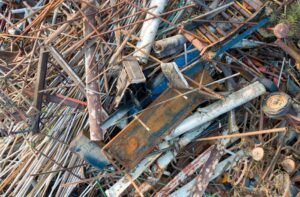
- #1 Heavy Melting Steel (HMS 1): Clean steel sections over ¼ inch thick, typically from prepared plate and structural shapes. No galvanized or stainless steel allowed.
- #2 Heavy Melting Steel (HMS 2): Clean black steel, but may include lighter gauge materials and some coated steels. A common grade from mixed demolition scrap.
- Shredded Scrap: Processed through a giant shredder, this homogenous material comes from cars and white goods. It’s highly desirable for electric arc furnaces.
- Turnings:
While understanding grades is vital, successfully navigating the b2b scrap market requires a strategic approach. Here are essential practical tips for businesses looking to optimise their scrap management:
- Implement On-Site Segregation: The single most important action you can take. Set up clearly labelled bins for different materials (e.g., clean copper, insulated wire, aluminium extrusions, clean steel). This prevents downgrading and maximises your return.
- Build a Relationship with a Reputable Yard: Don’t just choose the highest quoted price once. Partner with a yard known for fair grading, transparent weighing, and timely payments. A good partner can advise you on preparing your material to achieve a better grade. For businesses looking for a reliable outlet, establishing a connection with a platform like ScrapTrade can streamline the entire process from scrap sourcing to sale.
- Understand Weighing and Pricing: Scrap is bought by weight. Ensure your vehicles are weighed on a certified, trade-approved scale (tare and gross weight). Prices are often quoted per tonne and can be volatile, tied to global commodity markets like the London Metal Exchange (LME).
- Keep It Clean and Safe: Remove non-metal contaminants as much as possible. This includes emptying fluids from tanks, removing plastic fittings from copper pipe, and ensuring no hazardous waste is accidentally included in the load.
- Stay Informed on Logistics: Factor in the cost and availability of transportation. Some yards offer bin services and collection for larger accounts, which can significantly simplify your operations. Planning your scrap near me in 2026 strategy now will involve considering future logistics partnerships.
The Economic Imperative of B2B Scrap Recycling
Beyond the direct revenue from selling scrap metal, there are powerful economic drivers for businesses to engage in recycling. Firstly, it directly reduces waste disposal costs. Landfill levies in Australia continue to rise, making dumping metal an expensive and wasteful option. Secondly, it contributes to a more secure domestic supply chain. By providing local mills with raw material, the recycling industry reduces Australia’s reliance on imported virgin metals and insulates manufacturers from global supply shocks and price volatility. Finally, it fosters a green brand image. Demonstrating a commitment to circular economy principles is increasingly important to investors, customers, and regulators, providing a competitive advantage in the market.
The Profound Environmental Benefits of Scrap Recycling
The environmental argument for metal recycling is overwhelming and is a core reason for the existence of the scrap industry. The benefits are multi-faceted and significant:
- Massive Energy Savings: Recycling metal uses a fraction of the energy required to produce metal from virgin ore. For example, recycling aluminium saves up to 95% of the energy, while recycling steel saves about 60-70%. This directly translates to a massive reduction in greenhouse gas emissions.
- Conservation of Natural Resources: Mining is incredibly destructive to landscapes, ecosystems, and biodiversity. Every tonne of steel recycled conserves approximately 1,100 kg of iron ore, 630 kg of coal, and 55 kg of limestone. Recycling preserves finite natural resources for future generations.
- Reduction in Landfill Use: Metal is durable and does not decompose in landfills. Diverting it saves enormous amounts of valuable landfill space and prevents potential soil and water contamination from alloys and heavy metals leaching out over time.
- Lower Air and Water Pollution: Compared to the full mining and refining process, recycling operations produce far fewer pollutants like sulphides, particulates, and chemical runoff, leading to cleaner air and water.
Conclusion: Integrating B2B Scrap into Your Corporate Strategy
The trade of b2b scrap is far more than just getting rid of waste; it is a sophisticated, economically vital, and environmentally critical component of modern industry. By understanding the detailed grading system, businesses can accurately value their by-products. By comprehending the recycling process, they can better prepare their materials for market. Most importantly, by recognising the powerful economic and environmental benefits, leadership can make an informed decision to elevate scrap management from an afterthought to a key part of their operational and sustainability strategy. Partnering with a knowledgeable and reputable processor is the final step in ensuring your business not only benefits financially but also contributes meaningfully to building a circular, sustainable economy. For a comprehensive look at how to get started, explore the services available at Scrap.Trade, a platform designed to facilitate efficient and profitable scrap trading for Australian businesses.
Frequently Asked Questions
What is the main difference between consumer scrap and B2B scrap?
The key difference is scale and origin. Consumer scrap is generated by households in small quantities (e.g., a few aluminium cans). B2B scrap originates from industrial, commercial, and demolition activities in large, consistent volumes, often tonnes at a time. This requires formal weighing, grading, logistics, and invoicing, making it a professional commodity trade.
How are scrap metal prices determined for businesses?
Scrap prices are primarily determined by the global market price for the specific metal on exchanges like the LME (London Metal Exchange). The final price a business receives is then based on the weight of the material and its grade—higher purity and cleaner materials command a higher percentage of the base metal price. Local supply and demand also play a role.
Why is it so important to segregate different types of scrap metal?
Segregation is critical for maximising value and enabling efficient recycling. Mixed loads are considered contaminated and are downgraded to the lowest-value material in the mix. Keeping metals like copper, aluminium, and steel separate ensures they can be sold at their highest possible grade and recycled directly into new products of the same quality without cross-contamination.
What are the legal and compliance considerations for selling B2B scrap in Australia?
Businesses must adhere to several regulations. This includes maintaining records of transactions for taxation purposes, ensuring the scrap does not contain hazardous materials (e.g., asbestos, chemicals), and complying with state-based waste tracking requirements for certain volumes. Reputable scrap yards are licensed and will require seller identification to help prevent the trade in stolen materials.