
Navigating the world of barossa scrap metal requires a blend of industry knowledge, logistical planning, and an understanding of global commodity markets. Whether you are a local vineyard operator clearing out old irrigation equipment, a construction contractor managing site waste, or a homeowner recycling household appliances, understanding how to grade and process your materials is essential for maximizing value. As the South Australian economy continues to prioritize circularity, the infrastructure for metal recovery in the Barossa region has become more sophisticated, offering residents and businesses a streamlined path to sustainable disposal.
Understanding Scrap Metal Grades and Classification
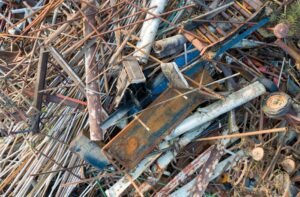
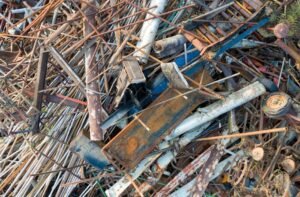
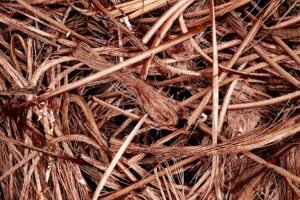
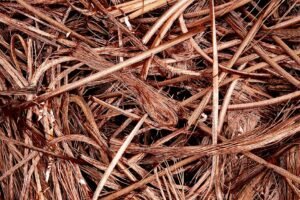
The foundation of the scrap industry lies in the distinction between ferrous and non-ferrous metals. Ferrous metals contain iron, making them magnetic and generally more abundant. Common examples include structural steel, cast iron, and wrought iron. In the Barossa, where agricultural machinery and shed infrastructure are prevalent, heavy steel is a primary commodity. Non-ferrous metals, conversely, do not contain iron and are highly prized for their resistance to corrosion and their infinite recyclability. These include copper, aluminium, brass, lead, and zinc. Copper, in particular, is a high-value item often found in electrical wiring and plumbing components. If you are looking to identify the value of your haul, checking current Scrap Metal Prices is the first step in ensuring you receive a fair market return for your collection.
Grading is the process by which scrap yards categorize materials based on purity, weight, and contamination levels. For instance, ‘clean’ copper pipe is worth significantly more than ‘burnt’ or ‘insulated’ copper wire. Similarly, aluminium is graded by its alloy type—cast aluminium versus extruded aluminium found in window frames. Understanding these nuances is critical. Contamination, such as plastic fittings on copper pipes or dirt on steel beams, can downgrade your scrap to a lower price bracket. By pre-sorting your materials, you not only save time at the weighbridge but also ensure you are paid for the highest possible grade of each metal type.
How Metal Recycling Works in the Barossa Region
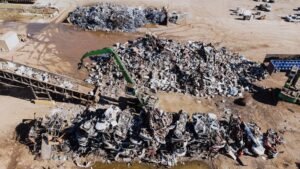
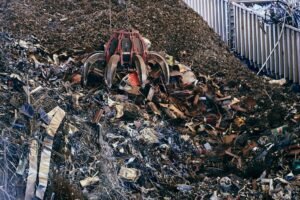
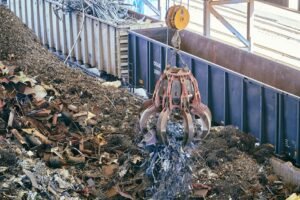
The recycling lifecycle is a complex operation that transforms discarded items into raw materials for new manufacturing. Once you decide to Sell Scrap Metal Near Me In 2026, the process typically begins with collection and transportation to a specialized facility. Upon arrival, the material is weighed using certified scales to determine the payment amount. The metal is then sorted—often using magnetic separators for ferrous metals and eddy current separators or X-ray fluorescence (XRF) analyzers for non-ferrous metals. This technology ensures that even small amounts of valuable alloys are captured rather than lost to landfill.
After sorting, the metal is processed. This can involve shearing, where large steel structures are cut into manageable pieces, or shredding, which breaks down complex items like vehicles into small, uniform fragments. These fragments are then cleaned to remove non-metallic impurities such as rubber, glass, or plastic. The final stage involves melting the metal in a furnace to create ingots or billets. These ingots serve as the raw material for manufacturers, effectively closing the loop. For those searching for reliable services, finding Scrap Metal Recycling Near Me is essential to ensure your materials are handled by licensed, environmentally compliant operators who adhere to Australian standards for waste management.
The Environmental and Economic Impact
Recycling barossa scrap metal is not merely a financial transaction; it is a critical environmental imperative. Mining for virgin ores is an energy-intensive process that results in habitat destruction, water pollution, and massive carbon emissions. By recycling, we drastically reduce the need for extraction. For example, recycling aluminium saves approximately 95% of the energy required to produce the same amount of aluminium from raw bauxite ore. This energy saving translates to a massive reduction in greenhouse gas emissions, directly contributing to Australia’s climate targets.
Furthermore, the scrap industry is a vital component of the local economy. It creates jobs in logistics, processing, and manufacturing, while also providing a secondary revenue stream for farmers, tradespeople, and industrial firms. By keeping metals out of landfills, we prevent the leaching of heavy metals into the soil and groundwater. The circular economy model, which is gaining traction across South Australia, relies on the active participation of the community. When you choose to recycle, you are supporting a sustainable infrastructure that benefits future generations. Our platform, Scrap Trade, provides the resources you need to connect with these vital services, ensuring your waste is managed responsibly.
Practical Tips for Maximizing Your Scrap Returns
To get the best value for your barossa scrap metal, preparation is key. First, keep your metals separated by type. Mixing steel with copper or brass will result in a ‘mixed’ or ‘dirty’ grade, which is priced at the lowest common denominator. If you have a large quantity of material, consider investing in a few basic bins or a dedicated area on your property to sort as you go. Second, remove non-metallic attachments. Screws, plastic handles, and rubber seals on metal items are considered contaminants. Removing them takes a few minutes but can significantly increase the value of the load.
Third, keep an eye on market trends. Metal prices fluctuate based on global demand, particularly from manufacturing hubs in Asia. While you cannot control the market, you can choose when to sell. If you have the storage capacity, holding onto your scrap until prices peak can be a smart financial move. Fourth, ensure you are dealing with a reputable, licensed scrap yard. Look for businesses that provide transparent weighing and grading processes. If you happen to be traveling or working in other regions, you might find specific resources for scrap metal garfield or even scrap metal sorrento if you need to manage assets across different locations. For comprehensive industry updates and professional guidance, visit Scrap Trade Australia to stay informed on the latest recycling trends and best practices.
Safety Protocols and Legal Requirements
Safety is the most important aspect of scrap metal handling. Heavy metals are, by definition, heavy, and improper lifting techniques can lead to severe injury. Always use appropriate mechanical aids such as forklifts, pallet jacks, or dollies when moving large quantities of steel or heavy machinery. Wear high-visibility clothing, sturdy gloves, and steel-capped boots to protect against sharp edges and falling debris. Furthermore, be aware of what you are handling. Some older items may contain hazardous materials like asbestos, lead paint, or residual chemicals. If you are unsure about the safety of an item, consult with your local scrap yard before attempting to transport it.
Legally, the scrap metal industry is strictly regulated in Australia to prevent the trade of stolen goods. Expect to provide identification when selling your scrap. This is a standard procedure and a legal requirement in most jurisdictions. Reputable yards will keep records of transactions, which helps in tracking stolen property and ensures the industry remains transparent and professional. By cooperating with these requirements, you are helping to maintain the integrity of the recycling industry and ensuring that your scrap metal trade is both legal and profitable.
Future Trends in Metal Recycling
The future of the scrap metal industry is being shaped by automation and the transition to a low-carbon economy. Advanced sorting technologies, such as AI-driven robotic arms and hyperspectral imaging, are becoming more common in large-scale recycling facilities. These technologies allow for the identification and separation of complex alloys that were previously difficult to recycle. As the demand for electric vehicles (EVs) and renewable energy infrastructure grows, the need for recycled copper, lithium, and rare earth metals will skyrocket. The Barossa region, with its proximity to urban centers and industrial hubs, is well-positioned to benefit from these advancements.
Moreover, the integration of digital platforms into the scrap trade is making it easier for individuals to find the best prices and the most convenient drop-off points. Real-time data on commodity prices and location-based services are empowering consumers to make better decisions. As we move toward 2026 and beyond, the trend toward ‘urban mining’—the process of recovering raw materials from waste products—will become a cornerstone of global supply chains. By participating in this system today, you are contributing to a more resilient and sustainable industrial future.
Conclusion: Taking Action Today
Recycling is a powerful tool for environmental stewardship and economic efficiency. Whether you are a business owner looking to clear out industrial waste or a resident looking to dispose of old appliances, the steps you take today have a lasting impact. By understanding the grades of your materials, preparing them correctly, and utilizing professional recycling services, you can turn your scrap metal into a valuable asset while protecting the beautiful Barossa landscape. We encourage you to start by auditing your current scrap inventory and checking local market rates. Remember, every kilogram of metal recycled is a step away from the environmental cost of virgin mining and a step toward a more circular, sustainable economy. For further assistance and to connect with the best in the industry, continue to utilize our platform to navigate the complexities of the scrap metal market with confidence and ease.
Frequently Asked Questions
What is the most valuable scrap metal to collect?
Copper is generally the most valuable common scrap metal due to its high demand in electrical and plumbing industries. Clean, bright copper wire and plumbing pipes command the highest prices at most recycling facilities.
Do I need to clean my scrap metal before taking it to the yard?
Yes, cleaning your scrap by removing non-metallic attachments like plastic, rubber, or wood significantly increases its value. Contaminated metal is often downgraded, meaning you will receive a lower price per kilogram.
Why do scrap yards require identification?
Scrap yards are legally required to record the details of sellers to prevent the trade of stolen property. Providing your ID is a standard part of the process and ensures the industry remains transparent and compliant with local laws.
How do I know if my metal is ferrous or non-ferrous?
The easiest way to tell is by using a magnet. If a magnet sticks to the metal, it is ferrous (iron-based), such as steel or iron. If it does not stick, it is non-ferrous, such as aluminium, copper, or brass.