
Navigating the complex landscape of battery recycling prices requires a solid understanding of how global commodity markets interact with local Australian scrap yards. Whether you are an individual clearing out a garage or a commercial operator managing large-scale inventory, knowing the value of your scrap is essential for maximizing returns. In this guide, we break down the nuances of the lead-acid battery market, the factors that influence your payout, and how to ensure you are getting a fair deal for your materials.
Understanding the Lead Acid Battery Market
The vast majority of scrap batteries handled by Australian recyclers are lead-acid batteries, commonly found in vehicles, uninterruptible power supplies (UPS), and solar storage systems. These units are highly sought after because they contain valuable lead plates and sulfuric acid, both of which can be processed and reused in new manufacturing cycles. When you look at battery recycling prices, you are essentially looking at the market value of the lead contained within those plates.
The price per kg for these items is rarely static. It is tied to the London Metal Exchange (LME) lead price, which serves as the global benchmark. Because Australia is a major player in the global metals trade, our local scrap yards adjust their buy prices daily to reflect these international shifts. If you are also interested in other high-value metals, you might want to check out our latest copper prices for recycling to see how other materials compare in the current market.
How Scrap Prices Are Calculated
When you arrive at a recycling facility, the operator will weigh your batteries on a calibrated scale. The price per tonne or price per kg is then applied to that total weight. However, it is not as simple as just dumping them on a scale. Recyclers assess the condition of the casing, the presence of contaminants, and the type of battery. A clean, intact car battery scrap unit will always fetch a higher price than one that is leaking acid or has damaged terminals.
For those looking to diversify their scrap collection, understanding the broader market is key. You can monitor Scrap Prices to stay updated on how various metals are trending. Remember that recycling is not just about profit; it is about participating in a circular economy. By joining our Recycling Community, you can share tips and stay informed about local collection events and industry changes.
Factors Affecting Battery Recycling Prices
Several variables impact the final payout you receive. First and foremost is the global demand for lead. When manufacturing demand for new batteries is high, the value of recycled lead increases, which in turn drives up battery recycling prices. Conversely, if there is an oversupply of lead or a downturn in the automotive sector, prices may soften.
Another significant factor is the logistical cost. Transporting heavy, hazardous materials like lead-acid batteries requires specialized equipment and compliance with environmental regulations. Recyclers must factor in the cost of safe storage and transport to smelting facilities. If you are looking to maximize your overall scrap revenue, it is worth learning about other materials. For instance, our guide on Aluminum Can Recycling Prices How To Maximize Your Earnings provides excellent strategies for increasing your total haul value. Additionally, staying informed about aluminum recycling prices can help you identify high-margin items in your scrap pile.
The Role of Lead Plates in Pricing
The core value of a lead-acid battery lies in its internal structure. The lead plates are the primary commodity that recyclers recover. During the smelting process, these plates are melted down, purified, and cast into ingots for use in new batteries. The efficiency of this recovery process is a major determinant of what a recycler can afford to pay you. If a battery is heavily corroded or has been sitting in water, the recovery rate of the lead drops, which may lead to a lower offer.
To get the best value, ensure your batteries are kept dry and free of debris. Always handle them with care, as the sulfuric acid inside is hazardous. If you are a business owner looking for a reliable partner, visit Scrap Trade Australia to find professional facilities that handle industrial volumes with the necessary safety certifications.
Current Metal Prices Today and Market Volatility
Keeping an eye on metal prices today is a habit of successful scrap traders. You can often find daily updates on our main portal at Scrap Trade, which provides a comprehensive overview of commodity trends. Market volatility is a reality in the recycling industry, and being aware of these fluctuations allows you to time your sales for maximum profit. If you have a large quantity of batteries, waiting for a market upswing can result in a significant difference in your total payout per tonne.
Best Practices for Preparing Your Scrap
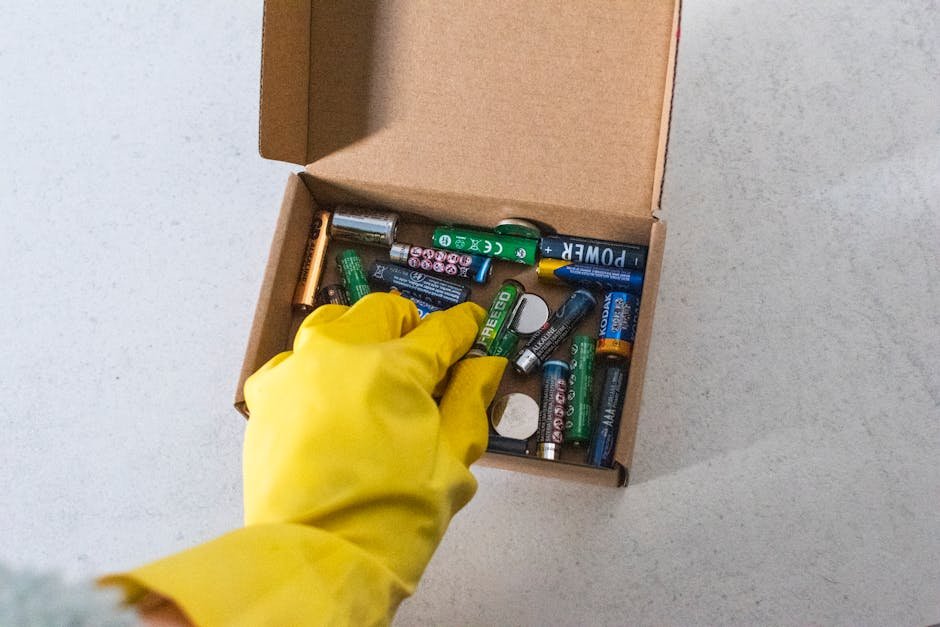
Preparation is the secret to maximizing your return. Do not mix your lead-acid batteries with other types of scrap, such as lithium-ion or nickel-cadmium, as these require different recycling streams and can contaminate a load. Keep terminals clean, and if you have a large volume, palletize and strap them securely. This makes the unloading process faster and safer, which many scrap yards appreciate—sometimes leading to better pricing for repeat customers.
Environmental Responsibility and Compliance
Recycling batteries is a critical environmental service. Lead is a toxic heavy metal that can cause severe soil and water contamination if disposed of in landfills. By taking your batteries to a licensed recycling facility, you are ensuring that the lead is contained and the acid is neutralized according to Australian environmental standards. This responsible disposal is a core pillar of the industry and helps maintain the reputation of the scrap metal sector.
The Future of Battery Recycling
As the world shifts toward electric vehicles (EVs), the landscape of battery recycling is evolving. While lead-acid batteries remain the bread and butter of the current scrap market, the rise of lithium-ion batteries presents new challenges and opportunities. Understanding how these technologies differ is vital for anyone involved in long-term scrap trading. Stay tuned to our platform for ongoing updates as we track the integration of new battery chemistries into the recycling supply chain.
Conclusion
Maximizing your returns from battery recycling is a combination of market awareness, proper preparation, and choosing the right partners. By understanding the factors that influence battery recycling prices—from global LME trends to local logistical costs—you can make informed decisions that benefit both your wallet and the environment. Whether you are dropping off a single car battery or managing a commercial scrap yard, the principles of quality, safety, and market timing remain the same. Continue to educate yourself on commodity values, engage with the broader recycling community, and always prioritize safety when handling hazardous materials. For the latest updates on market rates and industry trends, keep our resources bookmarked as your go-to source for all things scrap.
Frequently Asked Questions
Why do battery recycling prices change so often?
Prices fluctuate based on the global London Metal Exchange (LME) lead price and local supply and demand. Because lead is a global commodity, Australian recyclers adjust their daily buy rates to align with international market shifts.
Is there a difference in price for different types of batteries?
Yes, lead-acid batteries are priced based on their lead content, while lithium-ion or other battery chemistries require specialized recycling processes. Always separate your batteries by type before taking them to a recycler to ensure you receive the correct market rate.
How can I get the best price for my scrap batteries?
To get the best price, keep your batteries clean, dry, and free of non-lead debris. If you have a large volume, contact your local recycler in advance to negotiate a rate based on the total weight of your shipment.
Are there safety risks when handling scrap batteries?
Yes, lead-acid batteries contain sulfuric acid and heavy metals, which are hazardous. Always wear protective gloves and eyewear, keep batteries upright to prevent leaks, and transport them securely in a leak-proof container.