
Understanding the current battery scrap price is essential for businesses and individuals looking to optimize their returns in the Australian recycling sector. As global demand for secondary raw materials surges, the value of lead-acid and lithium-ion battery scrap has become a focal point for industrial waste management. Whether you are managing an automotive workshop or a large-scale demolition project, navigating the volatility of metal prices today requires a deep understanding of how global commodity markets filter down to local collection points. Our Scrap Battery Price Per Kg: A Comprehensive Market Guide provides the foundational knowledge required to track these fluctuations effectively.
The Mechanics of Battery Scrap Pricing
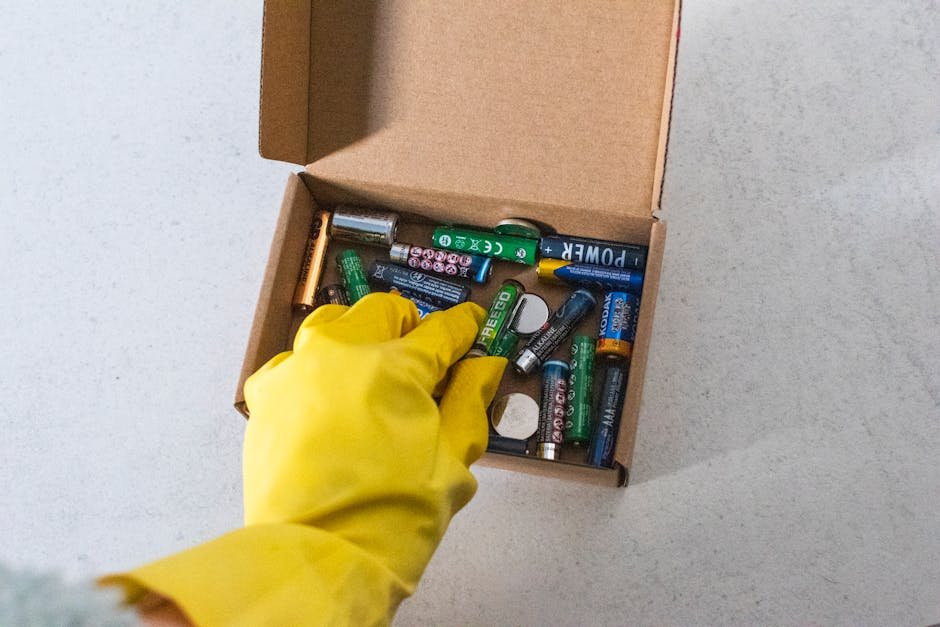
The battery scrap price is not a static number; it is a dynamic figure derived from complex global supply chains. At its core, the price is anchored to the LME lead price. Lead-acid batteries, which make up the vast majority of car battery scrap, contain approximately 60-70% lead by weight. When you sell these units, you are essentially selling the lead content, the plastic casing, and the sulfuric acid. Refiners calculate the price based on the ‘recovery rate’ of the lead, minus the costs of processing and logistics.
Market rates are heavily influenced by the London Metal Exchange (LME) and the Australian dollar’s performance against the US dollar. Because lead is traded in USD, a weak AUD can sometimes inflate local prices, while a strong AUD might compress them. Furthermore, the ‘smelter spread’—the margin between the raw scrap price and the refined lead price—dictates how much a scrap yard can pay you. If smelters are running at full capacity, they offer higher prices to secure volume. If they are overstocked, prices drop. For those looking to scale their operations, understanding How To Price Scrap For Export Markets is a critical step in ensuring long-term profitability.
Factors Influencing Current Scrap Prices
Several macroeconomic and microeconomic factors dictate the daily battery scrap price. First, the global demand for automotive lead-acid batteries remains the primary driver. Despite the rise of electric vehicles (EVs), conventional internal combustion engine vehicles still rely on lead-acid batteries for starting, lighting, and ignition (SLI). Therefore, the automotive sector’s health directly impacts scrap volume. Second, energy costs play a massive role. The smelting process is energy-intensive; when electricity prices spike, the processing cost rises, which is passed down to the scrap supplier in the form of lower buy prices.
Logistics and transport costs are another significant factor in Australia. Because batteries are classified as hazardous waste, they require specialized transport and storage compliance. The cost of complying with environmental regulations, such as the National Environment Protection Measure (NEPM), adds a premium to the cost of handling. This is why local scrap yards often provide lower payouts compared to direct-to-smelter arrangements, as they absorb the compliance, storage, and transport risks. When evaluating your options, ensure you are comparing like-for-like quotes, as some buyers may charge environmental levies that others do not.
Grades of Scrap and Material Composition
Not all batteries are created equal, and grading is the most critical step in maximizing your return. In the Australian market, the primary grade is ‘Lead-Acid Automotive’. These are standard car batteries. However, you will also encounter industrial batteries, such as those used in forklifts or UPS systems, which are often encased in steel and contain significantly more lead. These ‘Industrial Lead’ grades often fetch a higher price per kg due to the higher density of lead plates.
Lithium-ion batteries represent a growing but more complex segment. Unlike lead-acid, which has a well-established recycling path, lithium-ion recycling is still maturing. The value here is not just in the lead but in the cobalt, nickel, and lithium content. Because the processing technology for these is more advanced and less common in Australia, the scrap price for lithium-ion is often lower or even negative (meaning you pay for disposal) unless the volume is significant enough to warrant specialized extraction. For those dealing with other metal types, it is worth comparing these trends to the Stainless Steel Scrap Price or the Aluminum Scrap Price In 2026 to understand how different metal markets behave differently under similar economic conditions.
The Recycling Process: From Waste to Resource
The recycling process for lead-acid batteries is one of the most efficient closed-loop systems in the world. It begins with collection at certified sites, where batteries are inspected for integrity. Once collected, they are transported to a specialized facility where the battery is crushed in a hammer mill. This process separates the components into three distinct streams: plastic, lead, and acid. The plastic (polypropylene) is cleaned and turned into pellets for new battery cases. The lead is smelted and purified into ingots, which are then sold back to manufacturers to create new battery plates. The sulfuric acid is either neutralized and treated or recovered for industrial use.
This circular economy is essential for the Australian industry. By recycling, we reduce the need for primary mining, which is far more energy-intensive and environmentally damaging than smelting recycled lead. Professional recyclers, often found via scrap metal trading platforms in Australia, ensure that this process meets strict safety standards. By choosing to work with certified recyclers, you not only ensure you are getting the best market rate but also that you are contributing to a sustainable supply chain that prevents toxic lead and acid from entering landfills.
Environmental Benefits and Regulatory Compliance
The environmental imperative for battery recycling cannot be overstated. Lead is a heavy metal that poses significant risks to human health and the environment if disposed of improperly. When a battery is dumped in general waste, the casing eventually degrades, allowing lead and sulfuric acid to leach into the soil and groundwater. This is why Australian state governments have implemented strict regulations regarding the storage and transport of battery scrap. Businesses that fail to dispose of their batteries through licensed channels face significant fines and reputational damage.
Beyond the legal necessity, there is a strong corporate social responsibility (CSR) argument for proper recycling. Many large Australian companies now include scrap metal recycling metrics in their ESG (Environmental, Social, and Governance) reporting. By documenting your battery recycling efforts, you demonstrate a commitment to sustainability that can be leveraged in marketing and stakeholder relations. Furthermore, the efficiency of modern recycling means that nearly 99% of the lead in a battery can be recovered and reused indefinitely, making it one of the most sustainable materials in the global economy.
Strategic Tips for Maximizing Returns
To get the best price for your battery scrap, volume is your greatest asset. Scrap yards operate on thin margins, so they prioritize large, consistent suppliers. If you are a small business, consider aggregating your batteries over a longer period rather than making frequent, small drops. This reduces your transport costs and makes you a more attractive client for larger scrap processors. Additionally, keep your batteries clean. Contamination, such as excessive dirt, debris, or non-battery metals, can lead to your load being downgraded at the weighbridge.
Another tip is to maintain a relationship with a reputable buyer. The scrap market is built on trust and reliability. A buyer who knows you provide high-quality, uncontaminated loads will be more likely to offer you a premium over the standard market rate. Always ask for a breakdown of your payment, including the weight of the material and the price per kg applied. If you are dealing with large volumes, ask about ‘spot pricing’ versus ‘contract pricing’. Contract pricing can provide stability during market volatility, ensuring you have a predictable revenue stream regardless of short-term price dips.
Future Trends in Battery Scrap
The future of the battery scrap industry in Australia is tied to the energy transition. As we shift toward renewable energy storage, the demand for large-scale battery systems is exploding. This will create a new stream of scrap in the coming years. We are already seeing the emergence of ‘battery-as-a-service’ models, where manufacturers take responsibility for the end-of-life disposal of their products. This will likely shift the market away from individual scrap sales toward more centralized, manufacturer-led recycling schemes.
Furthermore, technological advancements in hydrometallurgical recycling are set to change how we recover materials from lithium-ion batteries. While current prices for lithium scrap are volatile, as the volume of EV batteries reaching the end of their life increases, we can expect the market to stabilize and become more profitable. Staying informed about these trends is vital. Regularly checking industry-leading scrap resources will ensure you are prepared for these shifts, allowing you to adapt your business model and continue capturing value from this essential commodity. Keep an eye on global battery production data, as this is a leading indicator of future scrap availability and price trends.
Frequently Asked Questions
What is the most important factor in determining the battery scrap price?
The most important factor is the LME lead spot price, as lead-acid batteries are primarily valued for their lead content. Other factors include the current AUD/USD exchange rate, local transport costs, and the volume of scrap being sold.
Are lithium-ion batteries worth as much as lead-acid batteries?
Currently, lead-acid batteries are more valuable in the scrap market due to established, high-efficiency recycling infrastructure. Lithium-ion batteries are more complex to recycle and often require specialized facilities, making their market value more volatile and dependent on specific chemical compositions.
How should I store battery scrap to ensure safety and compliance?
Batteries should be stored in acid-resistant, bunded containers to prevent leaks from entering the environment. Always keep them in a well-ventilated area away from direct heat and ensure they are clearly labeled according to local environmental regulations.
Does the price of battery scrap change daily?
Yes, because battery scrap prices are tied to global commodity markets, they can fluctuate daily. Most scrap yards will provide a price that is valid for a specific period, but it is best to confirm the current rate on the day of sale.