
Navigating the landscape of blaxland auto wreckers requires an understanding of both the automotive salvage industry and the broader scrap metal market in New South Wales. Whether you are a mechanic, a DIY car enthusiast, or a business owner looking to clear out a fleet, understanding how these facilities operate is the first step toward maximizing the value of your retired assets. The recycling of automotive components is not merely about disposal; it is a sophisticated industrial process that feeds high-grade secondary raw materials back into the global manufacturing supply chain.
The Role of Blaxland Auto Wreckers in the Circular Economy
The automotive industry is one of the largest consumers of raw materials, and consequently, one of the largest contributors to the scrap metal stream. When a vehicle reaches the end of its life, it does not simply cease to be useful. Through the expertise of blaxland auto wreckers, a vehicle is transformed from a static piece of junk into a treasure trove of reusable parts and recyclable metals. This process is the backbone of the circular economy in Australia.
When you engage with a professional wrecking service, you are participating in a system that prioritizes resource recovery. Modern wrecking facilities are highly regulated, ensuring that hazardous fluids like oil, coolant, and brake fluid are captured and disposed of safely before the vehicle is dismantled. This environmental stewardship is a hallmark of reputable operations. By choosing to work with established entities, you ensure that the materials—ranging from high-tensile steel frames to complex electronic components—are handled according to environmental best practices.
For those looking for specific components, the inventory at these yards is vast. From engine blocks to body panels, the availability of parts is a vital resource for the automotive repair industry. If you are searching for specific local services, you might find that blaxland wreckers provide a localized solution that minimizes logistics costs for residents and businesses in the Blue Mountains region.
Maximizing Value: Selling Specialized Auto Parts
Many individuals make the mistake of selling their entire vehicle for a flat scrap price without first auditing the components that hold higher market value. To truly profit from the dismantling process, you must understand which segments of the vehicle are most sought after by recyclers and mechanics.
For instance, your transmission is often one of the most valuable components in a vehicle. If you are looking to offload parts, you should consult the Sell Transmission Scrap Auto Truck Gearboxes 2026 Guide to understand the current market trends and how to properly prepare these units for sale. Similarly, the interior of a vehicle contains hidden value that is often overlooked. Before sending a vehicle to the crusher, consider the value of seat frames and associated hardware. You can learn more about this by reviewing the Sell Auto Seat Scrap Seat Frames Components 2026 Guide, which highlights how to separate ferrous and non-ferrous materials to increase your payout.
Furthermore, the cooling system of a vehicle is a goldmine for non-ferrous metal recovery. Air conditioning compressors are rich in both aluminum and copper. To ensure you are getting the best market rate for these items, it is essential to follow the Sell Auto AC Compressor Scrap Aluminum Copper 2026 Guide. By separating these high-value metals from the steel body of the car, you significantly increase the overall salvage value of your scrap.
Comparing Salvage Yards and Wrecking Services
Not all facilities are created equal. When researching blaxland auto wreckers, it is important to distinguish between a standard scrap yard and a specialized salvage operation. A standard yard may simply crush vehicles for the steel price, whereas a specialized salvage yard focuses on the systematic extraction of parts for resale. This distinction is vital if you are trying to source rare parts or if you have a vehicle that still has high-value functional components.
When comparing local options, you might encounter businesses like advance auto salvage, which operate with specific inventory management systems. Understanding the difference in business models will help you decide whether to sell your vehicle as a whole unit or to dismantle it yourself to sell the individual parts. For a broader overview of the scrap industry, you can visit Scrap Trade, which provides comprehensive data on scrap metal trends across Australia. Additionally, for those looking for industry-specific news and regional updates, Scrap Trade Australia serves as a primary hub for professionals and hobbyists alike.
Environmental Compliance and Vehicle Disposal
The disposal of an end-of-life vehicle (ELV) is governed by strict environmental regulations in Australia. Reputable wreckers must adhere to guidelines regarding the management of lead-acid batteries, mercury-containing switches, and ozone-depleting refrigerants. When you choose a professional wrecker, you are ensuring that your vehicle does not end up in an illegal dump, which could lead to soil and water contamination.
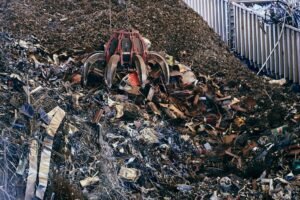
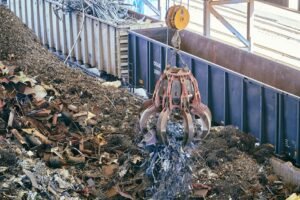
The process of depollution is the most critical step in the wrecking lifecycle. This includes the drainage of all fluids—engine oil, transmission fluid, brake fluid, and coolant—into sealed containers for recycling or hazardous waste disposal. Once the vehicle is ‘dry,’ it can be safely shredded. The metal is then separated using magnetic and eddy-current separators, which effectively sort the ferrous steel from the non-ferrous aluminum, copper, and zinc. This high-tech approach ensures that nearly 95% of the vehicle is recovered and repurposed.
The Logistics of Scrap Metal Transportation
One of the biggest hurdles in the scrap metal business is transportation. Moving a non-running vehicle or a large volume of scrap parts requires specialized equipment, such as tilt-tray trucks or heavy-duty skip bins. If you are dealing with a large quantity of scrap, it is often more cost-effective to coordinate with a wrecker that offers pickup services.
When negotiating a pickup, consider the following factors: the distance from the yard, the volume of material, and the current market price of the metal. If you are selling bulk scrap, the wrecker may be able to offer a better rate because they are saving on their own collection costs. Always ensure that the facility you choose has the proper licensing to handle hazardous materials and the appropriate insurance to cover the removal process on your property.
Future Trends: The Impact of Electric Vehicles (EVs)
As the automotive market shifts toward electric vehicles, the role of auto wreckers is evolving. EVs present new challenges and opportunities, particularly regarding the recycling of lithium-ion batteries. These batteries contain valuable materials like lithium, cobalt, and nickel, which are critical for the production of new batteries. However, they also pose significant fire risks if handled incorrectly.
Future-focused blaxland auto wreckers are investing in training and equipment to safely manage EV battery packs. This transition is essential for the sustainability of the industry. As more EVs reach the end of their life cycle, the demand for specialized recycling services will grow, creating a new niche in the scrap metal market. Keeping informed about these changes is crucial for anyone involved in the automotive salvage sector.
Practical Tips for Selling Your Scrap Metal
If you want to maximize your profit when dealing with scrap metal, preparation is key. First, sort your metals. Mixing steel with aluminum will often result in the entire load being priced at the lower steel rate. Use a magnet to identify ferrous metals (steel/iron) and keep them separate from non-ferrous metals (aluminum, copper, brass, stainless steel).
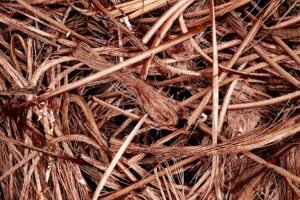
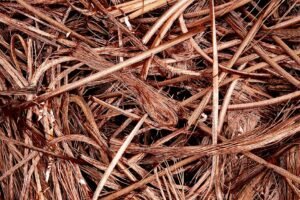
Second, clean your parts. Remove plastic, rubber, and glass attachments from metal components. A clean load of copper wiring or aluminum radiators will always fetch a higher price than dirty, contaminated scrap. Third, keep an eye on market prices. Scrap metal prices fluctuate daily based on global demand. Timing your sale to coincide with a market peak can make a significant difference in your total return.
Finally, build a relationship with your local yard. If you are a regular supplier of high-quality, sorted scrap, wreckers are often willing to offer better rates and more flexible service. Transparency about what you are bringing in helps the yard process it faster, which benefits both parties.
Conclusion: Choosing the Right Partner
Selecting the right partner for your vehicle disposal or scrap metal needs is a decision that impacts both your wallet and the environment. By understanding the processes used by blaxland auto wreckers, you can ensure that your scrap is handled with professional care and that you receive the maximum possible value for your materials. Whether you are selling a single transmission or a fleet of retired vehicles, the principles of sorting, cleaning, and choosing a reputable facility remain the same. Embrace the circular economy, stay informed on market trends, and utilize the resources available to ensure your scrap metal contributes to a sustainable future.
Frequently Asked Questions
How do I know if a blaxland auto wrecker is reputable?
A reputable wrecker will have valid business licenses, clear safety protocols for handling hazardous fluids, and a transparent pricing structure. You can also check online reviews and ensure they follow local environmental regulations for vehicle disposal.
Does separating my scrap metal really increase the price?
Yes, significantly. When you separate non-ferrous metals like copper and aluminum from steel, you avoid the ‘mixed scrap’ price, which is usually the lowest rate offered by yards.
What happens to the fluids in a car when it is wrecked?
Professional wreckers perform a ‘depollution’ process where all fluids, including oil, coolant, and brake fluid, are drained into specialized containers and sent to authorized recycling or waste management facilities to prevent environmental contamination.
Can I sell a car that doesn’t run to a wrecker?
Absolutely. Most auto wreckers specialize in buying non-running, damaged, or end-of-life vehicles. They will often provide towing services to collect the vehicle from your location.