
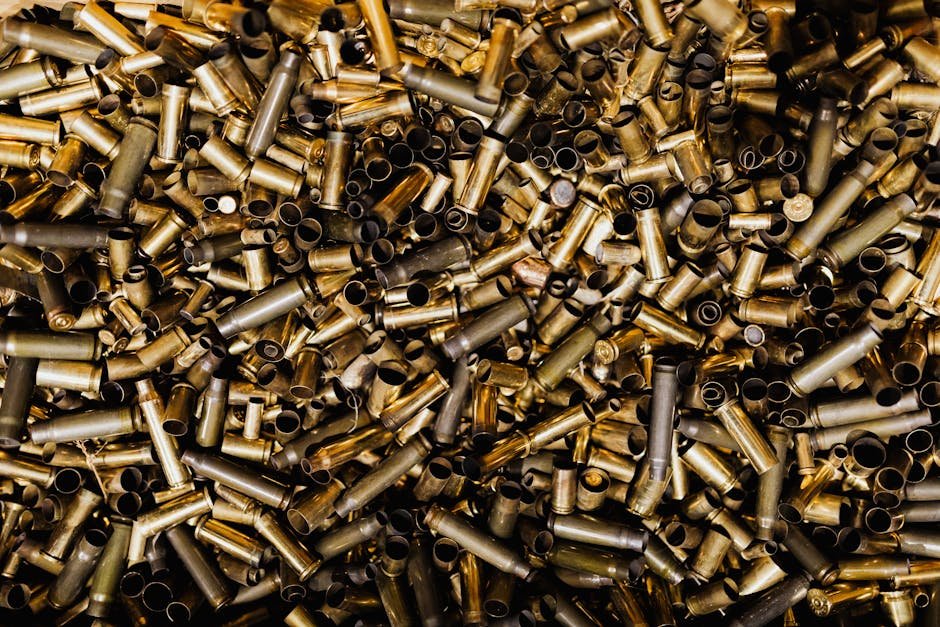

Brass recycling Central Coast is a vital process that supports both environmental sustainability and economic opportunity for individuals and businesses. With Australia’s growing focus on resource recovery, understanding how to participate in brass recycling can turn household or industrial brass waste into profit. This guide covers everything from identifying recyclable brass types to maximizing the value of your scrap.
Understanding Brass Recycling on the Central Coast
The Central Coast region, spanning from Gosford to Taree, is a hub for industries reliant on brass, including construction, automotive, and manufacturing. Brass recycling here is driven by demand for high-quality raw materials to produce new alloys. Local facilities process brass fittings, pipes, and yellow brass, ensuring minimal environmental impact while recovering valuable metals like copper and zinc.
Types of Brass Materials Recyclable in the Central Coast
- Yellow Brass: Commonly used in plumbing and hardware, this alloy of copper and zinc is highly recyclable and fetches competitive prices.
- Brass Fittings: Valves, taps, and pipe connectors often contain pure brass, making them ideal for recycling.
- Brass Pipe: Discarded plumbing pipes can be melted down for reuse, with the price per kg influenced by their zinc content.
- Industrial Brass Waste: Machined parts, bearings, and electrical components from manufacturing processes are prime candidates for recycling.
Environmental and Economic Benefits of Brass Recycling
Recycling brass reduces the need for mining raw materials, cutting energy consumption by up to 80% compared to primary production. For the Central Coast, where industries generate significant brass waste, recycling not only minimizes landfill use but also creates revenue streams. For example, a single tonne of recycled brass can yield $2,000–$5,000 depending on market conditions.
How to Sell Recyclable Brass on the Central Coast
- Identify Brass Types: Use a magnet or test kit to determine if the material is brass (non-ferrous) and its composition.
- Clean and Sort: Remove contaminants like paint or plastic to increase your brass’s value. Separate yellow brass from other alloys.
- Compare Prices: Check current brass price per kg on platforms like Scrap Trade to gauge market rates.
- Choose a Reputable Facility: Partner with certified recyclers who provide transparent pricing and bulk discounts.
Choosing the Right Brass Recycling Facility on the Central Coast
Reputable recycling centers on the Central Coast, such as those in Gosford or Wyong, offer competitive brass price per kg and efficient services. Look for facilities with:
- On-site weighing and grading equipment.
- Traceability for industrial clients (e.g., ISO certifications).
- Convenient drop-off points for large volumes.
Practical Tips for Maximizing Brass Recycling Profits
To maximize returns from brass recycling Central Coast:
- Track market fluctuations—sell during peak demand for electronics or construction materials.
- Bundle small quantities: Recyclers often offer higher rates for bulk submissions.
- Explore scrap trading platforms to compare prices from multiple buyers.
The Future of Brass Recycling in the Central Coast
With Australia’s 2030 target to recycle 80% of construction and demolition waste, the Central Coast is investing in advanced recycling technologies. Innovations like AI-driven sorting systems are improving efficiency, making it easier for residents and businesses to recycle brass. Staying informed about local recycling community initiatives can also help you stay ahead of market trends.
Brass Recycling Beyond the Central Coast
If you’re exploring options beyond the Central Coast, consider comparing rates in nearby regions like brass recycling North Sydney or brass recycling Parramatta. These areas often have specialized facilities for high-purity brass, which can yield higher returns.
For more insights on brass recycling explore our website and connect with local experts to optimize your recycling strategy.
Frequently Asked Questions
What is the current brass price per kg on the Central Coast?
The brass price per kg varies based on global market demand and brass type. As of 2024, yellow brass typically ranges between $5 and $12 per kg, while brass fittings may fetch higher rates due to their purity. Check real-time rates on platforms like Scrap Trade for accuracy.
How do I prepare brass for recycling?
Clean your brass items to remove dirt, oil, or paint. Sort by type (e.g., yellow brass vs. red brass) and separate non-metal components. Larger quantities attract better rates, so consolidate if possible.
What’s the difference between scrap trading and recycling?
Scrap trading involves selling materials to brokers who resell to recyclers, while recycling businesses process materials directly. Scrap trading can offer higher prices but carries more risk due to market volatility.
Are there local incentives for brass recycling on the Central Coast?
Some Central Coast councils offer subsidies for industrial recyclers, but most incentives focus on general waste reduction. Join the recycling community to stay updated on local programs.











