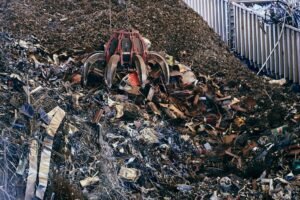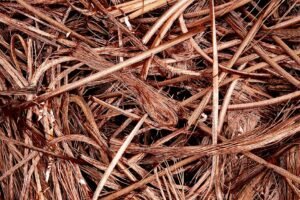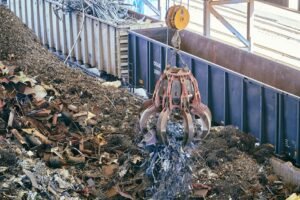

When it comes to brass recycling North Sydney, both residential renovators and commercial contractors have a unique opportunity to turn waste into a valuable revenue stream. As the urban landscape of New South Wales continues to evolve, the demand for high-quality recycled metals has never been higher. Whether you are clearing out a renovation site or managing industrial waste, understanding the nuances of the local scrap market is essential for maximizing your returns.
Understanding the Brass Market in Greater Sydney
The market for scrap metal in Australia is heavily influenced by global commodity prices, but local logistics play a massive role in what you actually take home. In Greater Sydney, the concentration of construction and plumbing industries means there is a steady supply of high-grade scrap. Brass, an alloy primarily composed of copper and zinc, is highly prized because it can be recycled indefinitely without losing its structural integrity. When you engage in brass recycling North Sydney, you are participating in a circular economy that reduces the need for energy-intensive virgin metal mining.
For those looking to get started, it is vital to distinguish between different grades of brass. Professional brass recyclers north sydney often categorize brass into specific groups, such as yellow brass, red brass, and plumbing scrap. Yellow brass, which is common in household fittings, generally has a lower copper content than red brass, which is often found in valves and heavy-duty industrial components. Understanding these distinctions is the first step toward becoming a savvy trader. If you are curious about the mechanics of the industry, our guide on Scrap Trading Vs Recycling Business provides deep insights into how the supply chain functions from the ground up.
How to Identify and Sort Your Brass Scrap
Sorting is where the money is made. Many beginners make the mistake of mixing all their metals together, which leads to lower payouts at the scales. To get the best brass price per kg, you must ensure your scrap is clean. This means removing steel screws, rubber gaskets, and plastic components from your brass fittings. A magnet is your best friend in this process; if a magnet sticks to your “brass,” it is likely steel-plated or iron-contaminated, which will downgrade your material.
When dealing with brass pipe and plumbing fixtures, look for the color. Yellow brass will have a distinct golden-yellow hue, whereas red brass will appear more copper-toned. Keeping these separated in your bins will ensure that when you visit a facility, you are paid the premium rate for each specific alloy. We encourage all our users to join our Recycling Community to share tips on identifying rare alloys and to stay updated on local market trends across New South Wales.
Maximizing Profit: The Logistics of Scrap Trading
Profitability in the scrap industry is a game of volume and preparation. For contractors in Western Sydney or the North Shore, transport costs can eat into your margins if you aren’t careful. Consolidating your loads and ensuring your scrap is free of contaminants is the most effective way to improve your bottom line. Before you head to the yard, it is highly recommended that you read our comprehensive guide on Brass Recycling How To Sell And Profit From Recyclable Brass to ensure you have all the necessary documentation and safety gear.
Furthermore, if you are working on large-scale demolition projects, you might find that you have a mix of materials. While brass is lucrative, don’t overlook other high-value scrap. For instance, if you have significant quantities of site waste, you might also be interested in north sydney aluminium recycling to diversify your income. By managing multiple streams of metal, you stabilize your revenue regardless of fluctuations in the price of a single commodity.
The Environmental Impact of Recycling in NSW
Recycling is not just about the money; it is about responsible resource management. In NSW, state regulations are increasingly focused on diverting construction and demolition waste from landfills. Brass is a 100% recyclable material, meaning every kilogram you recycle saves a significant amount of energy compared to producing new brass from ore. By choosing to recycle, you are helping to reduce the carbon footprint of the local construction industry in Greater Sydney.
We recommend using the resources available at Scrap Trade Australia to track regional trends. Our platform, Scrap Trade, is dedicated to providing the transparency needed to make informed decisions. Whether you are a professional tradesperson or a hobbyist, the goal is to make the process as seamless as possible. Remember, the market for brass recycling North Sydney is competitive, and those who take the time to clean and sort their material will always outperform those who don’t.
Common Pitfalls to Avoid in Scrap Metal Trading
One of the biggest mistakes traders make is ignoring the “dirty” scrap. If you have brass pipe that is heavily oxidized or coated in heavy layers of paint or solder, the recycler may categorize it as “dirty brass,” which fetches a lower price. If you have the time, a quick clean can often double your return on a specific batch of scrap. Another pitfall is failing to check the daily price. Because the market is volatile, the price you get on Monday might be different from the price on Friday. Always call ahead or check the latest data before hauling a large load.
Future Trends in the Australian Scrap Industry
The scrap industry is currently undergoing a digital transformation. From mobile apps that track prices to advanced sorting technologies, the way we trade is changing. In North Sydney, we are seeing a rise in specialized collection services that make it easier for small-scale recyclers to participate. As we look toward the future, the integration of blockchain for tracking the life cycle of metals may become standard, ensuring that the brass you recycle today can be traced back to its origin, further increasing its value in the supply chain.
Safety Protocols for Handling Scrap Metal
Safety is non-negotiable. Brass scrap can be sharp, heavy, and often contains jagged edges from being cut or broken. Always wear high-quality gloves, steel-toed boots, and eye protection when handling or transporting scrap. If you are dismantling old plumbing, be aware of potential lead content in older fittings, which requires careful handling. By following industry-standard safety practices, you ensure that your business remains sustainable and accident-free.
Conclusion: Taking the Next Step
The journey into brass recycling North Sydney is one that rewards diligence, knowledge, and consistency. By treating your scrap like a valuable commodity rather than trash, you unlock a hidden source of income that supports both your wallet and the environment. Whether you are dealing with yellow brass, complex fittings, or industrial pipe, the keys to success remain the same: sort, clean, and stay informed. We invite you to explore our full suite of resources and join our growing network of professionals dedicated to the future of the Australian scrap industry.
Frequently Asked Questions
What is the difference between yellow brass and red brass?
Yellow brass contains a higher percentage of zinc and is typically found in household items, while red brass has a higher copper content and is more common in industrial plumbing and valves. Red brass generally fetches a higher price due to its higher copper content.
How can I get the best price for my brass scrap?
To get the best price, ensure your brass is clean by removing any non-metal attachments like rubber, plastic, or steel screws. Sorting your brass by grade before visiting the scrap yard will prevent your material from being downgraded to a lower, mixed-metal price.
Does the brass price per kg change often?
Yes, brass prices fluctuate based on global copper and zinc market trends, demand from manufacturers, and local economic factors. It is recommended to check current market rates on the day you plan to sell your scrap.
Where can I find reliable brass recyclers in North Sydney?
You can find reputable recyclers by checking online directories, reading reviews on industry platforms, or visiting our dedicated resource pages. Always look for facilities that are transparent about their pricing and have clear safety protocols.