When it comes to scrap metal management in regional New South Wales, understanding the nuances of brass recycling Wagga Wagga is essential for both tradespeople and homeowners. Brass is a high-value copper alloy, prized for its durability, corrosion resistance, and infinite recyclability. Whether you are a plumber clearing out old brass fittings or a contractor managing construction waste, knowing how to maximize your returns involves more than just dropping off a bin of metal. This guide serves as your authoritative resource for navigating the scrap market, understanding pricing dynamics, and contributing to a circular economy.
The Economic and Environmental Impact of Brass Recycling
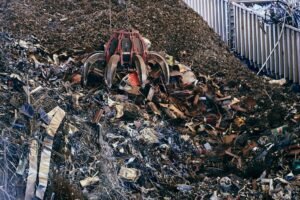
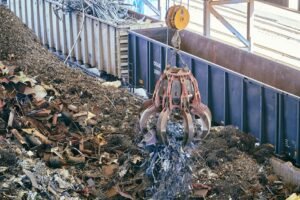
Brass is essentially an alloy of copper and zinc, and its value is intrinsically linked to global commodity markets. Unlike plastic, which degrades in quality each time it is recycled, brass retains its structural integrity indefinitely. By choosing to recycle, you are reducing the need for virgin mining—a process that is energy-intensive and environmentally taxing. In Wagga Wagga, the local scrap industry provides a vital service by processing these materials locally, reducing the carbon footprint associated with transport.
When you participate in the Recycling Community, you are not just making money; you are part of a larger, sustainable infrastructure. The demand for recycled brass remains high because it is cheaper and cleaner to melt down scrap than it is to refine raw ore. This is why scrap yards are always eager to purchase clean, sorted loads. If you are looking for Scrap Metal Recycling Near Me, ensuring your material is free from contaminants like iron, paint, or plastic is the single most effective way to increase your payout.
Identifying and Sorting Your Brass Scrap
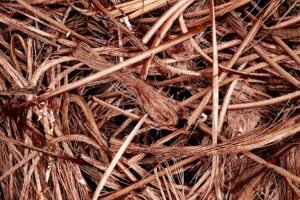
Not all brass is created equal, and understanding the different grades is key to getting the best brass price per kg. The most common form found in residential and commercial settings is ‘yellow brass’. This is the standard alloy used in plumbing fixtures, valves, and decorative hardware. When you are sorting your scrap, look for the distinct golden-yellow hue. If the metal is reddish, it is likely copper or ‘red brass’, which often commands a higher price due to its higher copper content.
A common mistake is mixing brass with other metals. If you have a pile of brass pipe, ensure that any attached steel screws or plastic gaskets are removed. Scrap yards use magnets to test for iron contamination; if your brass sticks to a magnet, it is considered contaminated and will be downgraded to a ‘mixed’ or ‘dirty’ price. For those in other parts of the state looking for specific facility information, resources like brass recycling parramatta or artarmon brass recycling can offer insights into how major hubs manage high-volume sorting. Always aim to deliver ‘clean’ brass to ensure you are paid for the full weight of the alloy.
Maximizing Your Returns: The Brass Price Per Kg
The brass price per kg fluctuates based on the London Metal Exchange (LME) and local market conditions. Factors such as supply chain disruptions, manufacturing demand, and the Australian dollar’s strength against the US dollar all play a role. To get the best price, keep a close eye on market trends. Selling in bulk is generally more profitable than making frequent, small trips, as it allows you to negotiate based on volume.
If you are searching for Metal Recycling Near Me, call ahead to ask about their current buying rates. Reputable scrap yards are transparent about their pricing and will often provide a price list for different grades of brass. Remember that ‘clean’ yellow brass will always fetch a premium over ‘dirty’ or ‘mixed’ brass. By taking the extra time to clean your fittings and remove non-metallic attachments, you are essentially increasing your hourly wage for the time spent sorting.
Logistics and Safety in the Scrap Industry
Handling scrap metal requires a focus on safety. Brass, while generally stable, can have sharp edges, especially when dealing with cut pipe or broken fittings. Always wear heavy-duty gloves and protective eyewear when sorting or transporting your scrap. In Wagga Wagga, ensure your vehicle is properly loaded to prevent shifting during transit. If you are dealing with large quantities, consider using a trailer or a utility vehicle with a secured load.
Furthermore, it is important to understand the regulatory environment. The scrap industry is strictly monitored to prevent the sale of stolen goods. Expect to provide identification when selling your scrap. This is a standard procedure that protects the industry and ensures that the professional metal trading network remains reputable and secure. By maintaining accurate records of your scrap sales, you also make it easier for your business to track income and manage waste disposal documentation.
The Future of Brass and Circular Economy
The transition toward a circular economy is accelerating, and brass is a cornerstone of this movement. As manufacturing processes become more efficient, the demand for high-quality recycled alloys is expected to grow. This puts scrap metal collectors in a strategic position. By consistently supplying high-quality, sorted brass, you are helping manufacturers maintain a steady supply of raw materials without needing to rely on environmentally destructive mining practices.
The leading scrap metal platform provides the tools and data necessary for both individuals and businesses to optimize their recycling efforts. Whether you are a local contractor or a large industrial firm, the principles remain the same: sort early, clean thoroughly, and stay informed on market pricing. The future of the industry is digital, with real-time tracking and price alerts becoming the standard for successful traders.
Expert Tips for Long-Term Success
To truly excel in the scrap business, treat it like a professional operation. First, invest in a good set of industrial scales. While scrap yards will weigh your load, knowing the weight beforehand gives you confidence and prevents errors. Second, develop a storage system. Use separate bins for different types of metals—one for yellow brass, one for copper, one for aluminium, and so on. This prevents cross-contamination and makes the final sorting process at the yard much faster.
Third, build a relationship with your local yard. If you are a consistent supplier of high-quality, clean scrap, you may be able to negotiate better rates or receive priority service. Finally, stay educated. The scrap market is constantly evolving. Use online resources to track global metal prices and understand how they impact the local Wagga Wagga market. By staying ahead of the curve, you can turn a simple recycling habit into a reliable income stream.
Conclusion: Why Brass Recycling Matters
Brass recycling is more than just a way to clear out the shed; it is a vital component of a sustainable industrial ecosystem. By properly managing your scrap, you are contributing to the longevity of the planet’s resources and supporting the local Wagga Wagga economy. Whether you are dealing with small quantities of brass fittings or large industrial loads of brass pipe, the effort you put into sorting and cleaning your metal will pay off in both financial returns and environmental impact. Use the resources provided here to refine your approach, stay connected with the broader recycling community, and maximize the value of every kilogram of brass you recycle. Remember, the best time to start optimizing your scrap collection is today.
Frequently Asked Questions
What is the difference between yellow brass and red brass?
Yellow brass contains a higher zinc content and is typically used for plumbing and hardware, while red brass has a higher copper content, giving it a reddish hue and a higher scrap value.
How can I ensure I get the best price for my brass?
To get the best price, ensure your brass is free of contaminants like iron, plastic, and paint. Sorting your scrap into clean, uniform piles before arriving at the yard will significantly increase your payout.
Do I need identification to sell scrap metal in Wagga Wagga?
Yes, Australian scrap yards are required by law to verify the identity of sellers to prevent the trade of stolen goods. Always carry a valid driver’s license or government-issued ID.
Why is it important to remove steel screws from brass fittings?
Steel is a ferrous metal, and its presence in a brass load will cause the scrap yard to classify the entire batch as ‘contaminated’ or ‘mixed,’ which results in a much lower price per kilogram.