
Navigating the complex landscape of bright copper scrap prices requires more than just a quick look at a ticker symbol. For Australian tradespeople, demolition contractors, and industrial recyclers, understanding the mechanics behind these valuations is the key to maximizing profitability. Copper is a critical commodity in the global energy transition, and as supply chains shift, the value of your scrap inventory changes accordingly. Whether you are holding onto high-grade electrical cabling or stripping down plumbing infrastructure, knowing the nuance between different grades is essential.
Understanding the Market: How Bright Copper Scrap Prices Are Set
The pricing of scrap metal is not arbitrary; it is tied directly to the London Metal Exchange (LME). When you search for current metal prices today, you are essentially looking at a derivative of the global spot price for refined copper cathode. However, the price you receive at the yard is the LME price minus processing costs, transport logistics, and the yard’s margin.
Several macroeconomic factors influence bright copper scrap prices. First, the strength of the Australian Dollar (AUD) against the US Dollar (USD) is paramount. Since copper is traded globally in USD, a weaker Australian dollar often leads to higher prices for domestic sellers. Second, global industrial production—particularly in China—dictates demand. When manufacturing sectors expand, copper consumption spikes, driving up the copper price per kg. Conversely, economic downturns or trade tensions can suppress demand, leading to price volatility.
Local factors also play a massive role. The cost of fuel, labor, and compliance with environmental regulations in Australia means that yards must maintain a spread to remain operational. If you are looking to get the best deal, start by checking Scrap Prices to get a baseline before heading to your local facility.
The Hierarchy of Value: Grades of Copper Scrap
Not all copper is created equal. To get the highest payout, you must understand how recyclers categorize materials. The industry standard revolves around purity, cleanliness, and the presence of contaminants like insulation, solder, or oxidation.
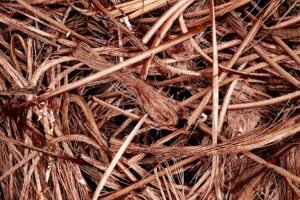
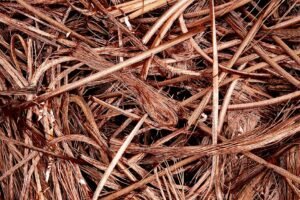
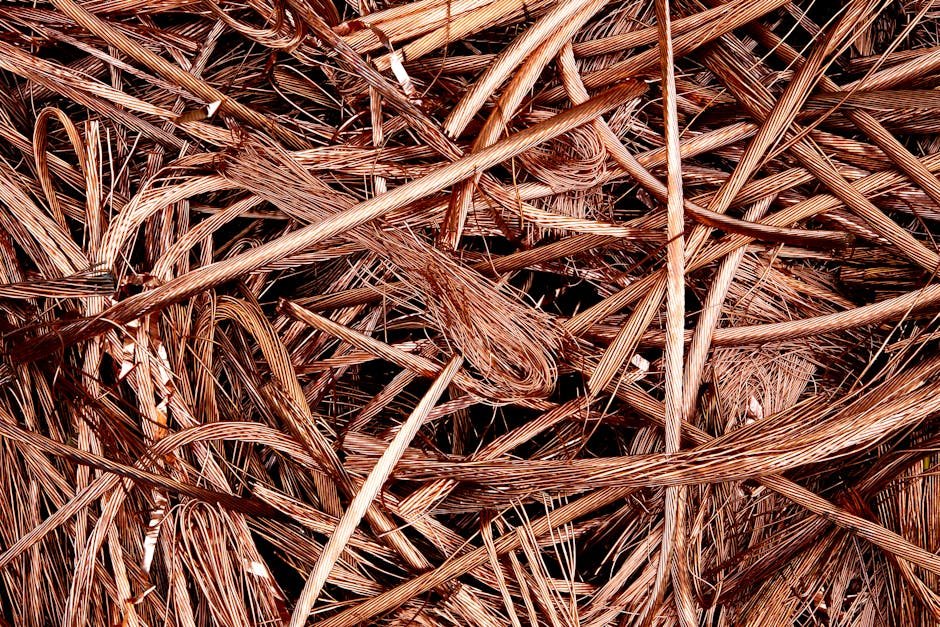
- Bare Bright Copper: This is the gold standard. It consists of unalloyed, uncoated, and uninsulated copper wire, typically 16 gauge or thicker. It must be free of oxidation (the dark or green tarnish) to qualify for the premium price.
- Number 1 Copper: This includes clean copper pipe and tubing that is free of fittings, solder, or paint. It is slightly less valuable than bare bright but still commands a high rate. If you have a large haul of plumbing materials, check scrap copper pipe prices to ensure you are being quoted correctly.
- Number 2 Copper: This category covers copper that has minor contamination. This might include wire with light oxidation, copper with solder joints, or pipe that has been painted. Because it requires more processing to refine, the professional scrap metal recycling services will offer a lower rate than for high-grade material.
- Copper Wire (Insulated): The value here depends on the “recovery rate” of the copper inside. Thin, hair-like data cable has a lower copper-to-plastic ratio compared to thick industrial power cables.
For those managing large volumes, joining a Copper Scrap Group can provide insights into how other professionals are grading their loads to ensure they meet the highest standards.
Logistics and Finding the Best Rates Near You
Location impacts your bottom line significantly. Transporting heavy loads of metal is expensive, and fuel costs can quickly eat into your profit margins. When searching for Scrap Copper Prices Near Me, consider the proximity of the yard to your job site. A slightly lower price per kilogram at a local yard might actually be more profitable than a higher price at a yard located two hours away once you factor in fuel and time.
Furthermore, building a relationship with a specific yard is a strategy often overlooked. Yards value consistent suppliers. If you bring in sorted, clean loads regularly, you are more likely to negotiate a better price than someone who shows up once a year with a mixed bag of contaminated scrap. Always ensure your copper is separated by grade before arriving. Mixing your bare bright copper with number 2 copper will result in the entire load being downgraded to the lower price, costing you significant money.
If you are struggling to find reliable data, checking copper scrap prices near me through dedicated online portals can help you compare multiple local yards, giving you leverage during the negotiation process.
The Mechanics of Copper Recycling
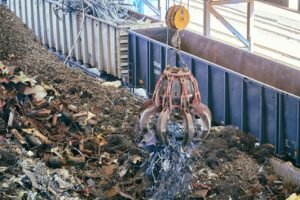
The process of turning scrap back into usable metal is a marvel of industrial efficiency. Once your scrap is collected, it undergoes several stages. First, it is weighed and inspected for contaminants. Then, it is shredded or granulated to separate the metal from non-metallic components like plastic insulation. High-powered magnets and air classifiers are used to remove ferrous metals and light debris.
The remaining copper is then melted in a furnace. Because copper can be recycled infinitely without losing its chemical properties, this process is incredibly efficient. It requires up to 85% less energy to recycle copper than it does to mine and refine virgin ore. This energy saving is the primary driver behind the high demand for scrap; it is not just about the metal, but the carbon footprint reduction that manufacturers are under immense pressure to achieve.
Environmental Benefits and Sustainability
Recycling copper is one of the most effective ways to reduce the environmental impact of the construction and manufacturing industries. Mining copper is a resource-intensive process that involves massive land disruption, water usage, and chemical leaching. By participating in the circular economy through copper recycling, you are directly contributing to the preservation of natural resources.
Furthermore, copper is a critical component in the green energy transition. Electric vehicles (EVs), solar panels, and wind turbines require significantly more copper than their internal combustion or fossil fuel counterparts. By ensuring your scrap enters the recycling stream, you are helping to secure the raw materials needed for Australia’s sustainable future. This “urban mining” approach is becoming a cornerstone of global environmental policy.
Advanced Tips for Maximizing Returns
To truly master the art of scrap trading, you need to treat your waste like a product. Here are some expert strategies:
- Stripping Wire: If you have large quantities of thick insulated cable, investing in a wire stripping machine can be highly profitable. You are essentially paying yourself for the labor of removing the plastic, which converts low-value insulated wire into high-value bare bright copper.
- Sorting by Grade: Never mix grades. If you have a pile of copper pipe with solder, cut the solder joints off. The clean pipe will fetch a much higher price, and the small amount of solder-contaminated copper can be sold separately.
- Timing the Market: While it is difficult to “time” the market perfectly, avoid selling during major market dips if you have the space to store your scrap safely. Keep an eye on global economic news; if there is a major supply chain disruption, copper prices often rise.
- Documentation: For larger trade businesses, keep records of your scrap sales. This helps in tracking your business efficiency and can be useful for tax purposes.
The Future of Copper and Market Outlook
The long-term outlook for copper remains bullish. As the world moves toward electrification, the demand for copper is projected to outstrip supply. This structural deficit suggests that while there will always be short-term volatility, the baseline value for copper is likely to remain elevated for the foreseeable future. For those in the trades, this makes your scrap copper an increasingly valuable asset that should be managed with the same care as your primary inventory.
Stay informed by regularly checking resources that provide updates on Scrap Prices. The more you know about the market, the better positioned you are to make informed decisions about when to hold and when to sell. Remember, in the world of scrap metal, information is just as valuable as the metal itself.
Conclusion: Turning Waste into Wealth
Managing your scrap copper is a vital part of a sustainable and profitable business model. By understanding how bright copper scrap prices are determined, how to properly grade your materials, and the importance of the recycling lifecycle, you position yourself as a professional in the industry. Whether you are a small contractor or a large-scale demolition firm, the goal remains the same: optimize your sorting, build relationships with reputable yards, and stay updated on market trends.
The shift toward a circular economy is not just a trend; it is the future of industrial production. By participating in the copper recycling market, you are not only putting money back into your pocket but also supporting the global shift toward cleaner, more sustainable energy infrastructure. Keep your copper clean, keep it sorted, and keep track of the market to ensure you are getting the absolute best value for your hard-earned scrap.
Frequently Asked Questions
Why is bare bright copper worth more than other grades?
Bare bright copper is the purest form of scrap, consisting of unalloyed, uncoated, and uninsulated wire. Because it requires no additional processing or refining to be melted down, it commands the highest price in the market.
How often do scrap copper prices change?
Scrap copper prices are tied to the London Metal Exchange (LME) and can fluctuate daily. It is recommended to check current market rates on the day you plan to sell your material.
Does the presence of solder or paint affect the price of copper pipe?
Yes, copper pipe with solder, paint, or other contaminants is classified as Number 2 copper. This grade is less valuable than clean Number 1 copper because the contaminants must be removed during the refining process.
Is it worth stripping insulated copper wire?
If you have a high volume of thick, heavy-gauge insulated wire, stripping it can significantly increase your profit margins. However, for very thin wire, the labor time may outweigh the price difference, so it is often better to sell it as insulated scrap.