
Navigating the world of bulk scrap metal buyers is a critical task for Australian businesses, from large-scale manufacturing and construction to demolition and logistics. These specialised buyers are the linchpins of the recycling economy, transforming what would be costly waste into valuable commodities for foundries, smelters, and export markets. Understanding who these buyers are, how they operate, and how to identify the right partner is essential for maximising your return on scrap assets and ensuring your materials are handled responsibly. This comprehensive guide will demystify the entire process, from identifying the different types of buyers and understanding scrap grades to negotiating the best price for your bulk scrap metal and appreciating the profound environmental impact of your decision to recycle.
Who Are Bulk Scrap Metal Buyers?
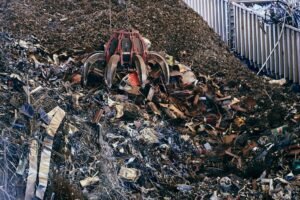
Bulk scrap metal buyers are not your local scrap yard; they are large-scale, industrial operations designed to handle significant volumes of material, often measured in tonnes rather than kilograms. They act as the crucial intermediary between the generators of scrap and the end-users—the mills and foundries that melt and reform the metal into new products. These buyers fall into several key categories, each with its own focus and advantages.
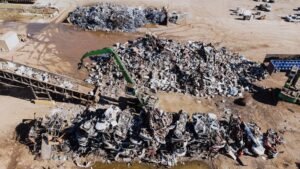
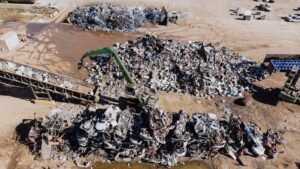
First, there are large-scale scrap yards and recycling centres with national operations. These facilities have the infrastructure—massive scales, high-volume processing equipment like shears and balers, and extensive logistics networks—to accept truckloads of material. They often service entire regions and are a reliable option for consistent, large-volume off-take.
Second, exporters and international traders specialise in aggregating scrap metal to meet the specific grade requirements of overseas consumers, particularly in Southeast Asia. They navigate the complex world of international shipping, customs, and quotas, connecting Australian scrap with the global demand for raw materials. If you’re looking to sell bulk scrap metal to global buyers without middlemen, understanding this channel is paramount.
Finally, some end-users, such as large foundries or steel mills, may purchase scrap directly to feed their production lines. Dealing directly with an end-user can sometimes yield a better price, as it removes one layer of intermediation, but it often requires extremely consistent and high-quality material that meets their tight specifications.
Where to Find Trusted Bulk Scrap Buyers
Finding a reputable buyer is the most critical step in the process. The goal is to find a partner who offers fair pricing, transparent dealings, and responsible recycling practices. The landscape of bulk scrap metal buyers can vary, so knowing where to look is key.
One of the most effective modern methods is to use a dedicated online B2B platform like ScrapTrade.com.au. These platforms pre-vet and list reputable buyers, allowing you to compare offers and credentials in one place, often streamlining the process of finding scrap metal recycling near me for bulk quantities. They provide a layer of security and convenience that traditional methods lack.
Industry associations are another excellent resource. Members of the Australian Council of Recycling (ACOR) or state-based metal recycling associations are typically required to adhere to a code of conduct, ensuring higher standards of operation. A simple online search for “trusted dealers” in scrap metal will also yield results, but always cross-reference these with reviews and business credentials.
For those in specific localities, such as Western Sydney, seeking out established local players like the scrap metal buyers minto area can be advantageous due to their knowledge of local logistics and market conditions. Ultimately, your network is powerful; ask for referrals from other businesses in your industry who regularly generate scrap. A positive word-of-mouth recommendation is often the strongest indicator of a reliable scrap buyer.
Understanding Scrap Metal Grades and Pricing
The value of your scrap metal is almost entirely determined by its grade—how clean, sorted, and free of contaminants it is. Buyers classify metals into two broad categories: ferrous (containing iron, like steel) and non-ferrous (everything else, like copper, aluminium, and brass). Non-ferrous metals are almost always more valuable per tonne than ferrous metals.
Within these categories, grading becomes more precise. For example, prepared steel scrap (clean and cut to size) commands a higher price than mixed low-grade steel. The hierarchy for copper is even more detailed:
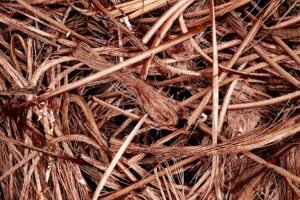
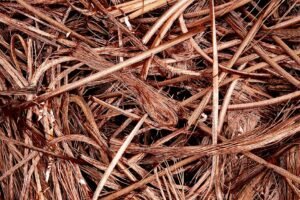
- #1 Copper: Clean, uncoated, unalloyed wire or piping—the highest grade.
- #2 Copper: Solder-covered, painted, or slightly oxidised wire.
- Light Copper: Thin-gauge sheet or contaminated copper.
Aluminium grades range from clean extrusions and cast aluminium to lower-value mixed aluminium sheets. Misgrading your material is one of the easiest ways to lose money. A trusted buyer will be transparent about their grading standards.
Pricing is dynamic and is primarily driven by the London Metal Exchange (LME) prices for virgin metal. Bulk scrap metal buyers will base their offer on the LME price minus a margin that covers their processing, transportation, and market risks. Other factors influencing your final quote include:
- Volume: Larger, consistent loads typically get better per-tonne rates.
- Contamination: The presence of dirt, plastic, rubber, other metals, or hazardous materials drastically reduces value.
- Location: Transport costs from your site to their facility are a factor.
- Global Market Demand: Economic conditions and import policies in consuming countries (like China and India) directly affect local prices.
The Process of Selling Bulk Scrap Metal
Knowing what to expect streamlines the sale and ensures you are prepared. The process typically follows these steps:
1. Identification and Segregation: Before you even contact a buyer, sort your metals as thoroughly as possible. Separate ferrous from non-ferrous, and different non-ferrous metals from each other. The cleaner the load, the higher the grade and the better the price.
2. Obtaining a Quote: Contact potential buyers with a detailed description of your material—type, estimated weight, grade, and photos. Reputable buyers will provide a firm quote, often valid for a short period due to market fluctuations. This is a crucial step in figuring out where to find the best deal for your specific load.
3. Weigh-In: Once you accept a quote, you’ll transport the scrap to the buyer’s yard (or they may arrange collection for very large loads). The entire truck is weighed on a certified weighbridge upon arrival to get the gross weight.
4. Inspection and Grading: The buyer’s team will inspect the load to verify it matches the description and confirm the grade. This is where transparency from the initial quote pays off.
5. Processing and Weigh-Out: The material is unloaded and processed. The empty truck is then weighed again to determine the tare weight. The net weight of your scrap is the gross weight minus the tare weight.
6. Settlement: Based on the agreed-upon price per tonne and the net weight, the buyer calculates the total value. Payment is typically issued via electronic funds transfer (EFT) shortly after, providing a secure and traceable transaction.
How the Scrap Metal Recycling Process Works
Once you sell your scrap, the buyer’s work begins. The recycling process is a sophisticated industrial operation designed to return metal to its pure form for manufacturing.
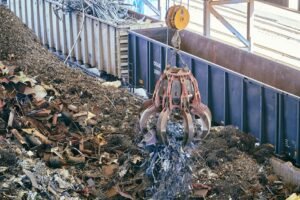
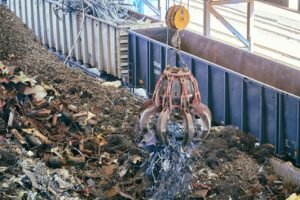
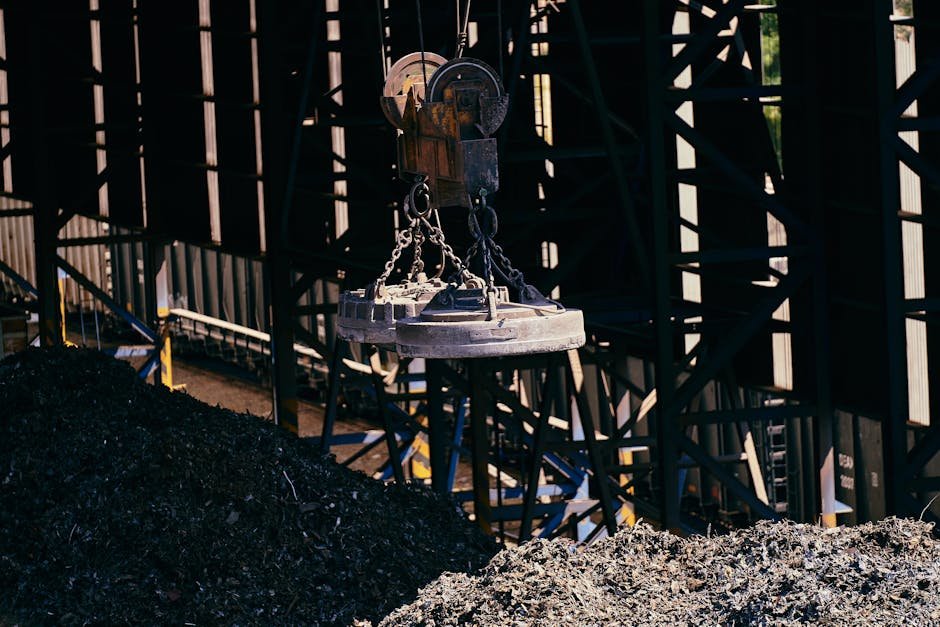
It starts with sorting and processing. Using a combination of manual labour, magnets (to separate ferrous metals), advanced eddy current separators, and shredders, the mixed scrap is separated into pure streams. Ferrous scrap is often sheared or baled into dense blocks for efficient transport and melting.
This prepared scrap is then shipped to a mill or foundry. In the case of steel, it is charged into a giant electric arc furnace (EAF). The EAF uses powerful electrodes to create an electric arc that generates immense heat, melting the scrap at temperatures exceeding 1600°C. The molten steel is then purified and cast into new forms like blooms, billets, or slabs, which are rolled into new products like beams, reinforcement bar, or sheet metal.
Aluminium and copper undergo a similar melting process in large furnaces. The key outcome is that metal recycled this way is physically identical to metal produced from virgin ore. It can be recycled infinitely without any loss of its inherent properties, making it the ultimate circular economy material.
The Significant Environmental Benefits of Recycling
Choosing to sell to bulk scrap metal buyers is not just a financial decision; it’s a major environmental win. The benefits of metal recycling are profound and measurable.
First and foremost, recycling conserves natural resources. Mining virgin ore is an incredibly destructive process, involving deforestation, habitat destruction, and soil erosion. By using scrap metal as a raw material, we dramatically reduce the need for new mining operations. For example, recycling steel conserves iron ore, coal, and limestone, the three primary raw materials needed to make new steel.
Second, recycling saves massive amounts of energy. The energy required to melt and reform existing metal is a fraction of that needed to reduce ore to metal. Producing aluminium from scrap saves up to 95% of the energy required to produce it from bauxite ore. For copper, the savings are around 85%. This directly translates to a massive reduction in greenhouse gas emissions and our collective carbon footprint.
Finally, it reduces landfill waste. Metal is durable and does not decompose in a landfill. Diverting thousands of tonnes of scrap metal from landfill every year saves valuable airspace and prevents soil and water contamination. By engaging with the recycling chain through bulk scrap metal buyers, your business actively contributes to a more sustainable and circular economy for Australia and the world.
Conclusion: Partnering for Profit and Planet
Engaging with professional bulk scrap metal buyers is a strategic business decision that turns a waste liability into a revenue stream while fulfilling corporate environmental responsibilities. The key to a successful outcome lies in education and partnership. By understanding scrap grades, you can prepare your material to maximise its value. By knowing where to find and vet trusted buyers, you ensure fair and transparent dealings. And by appreciating the intricate recycling process, you can see the greater impact of your actions beyond the bottom line.
Whether you are a demolition contractor with tonnes of structural steel, a manufacturer with consistent off-cuts, or a logistics hub with end-of-life equipment, the market for your scrap is robust. Take the time to find the right buyer, prepare your material correctly, and you will not only boost your profitability but also become a vital link in Australia’s sustainable industrial future.
Frequently Asked Questions
What is the difference between a local scrapyard and a bulk scrap metal buyer?
Local scrapyards typically handle smaller, mixed loads from the public and smaller businesses, often paying by the kilogram. Bulk scrap metal buyers are industrial-scale operations that purchase multiple tonnes of material from commercial and industrial sources. They have the infrastructure for large volumes, offer pricing based on global commodity markets, and often specialise in specific grades of scrap for direct supply to mills or for export.
How can I ensure I get the best price for my bulk scrap metal?
To get the best price, thoroughly sort and clean your metals to achieve the highest possible grade. Know what you have before getting quotes. Provide accurate descriptions and photos to multiple reputable buyers to solicit competitive offers. Building a long-term relationship with a trusted buyer for consistent volumes can also lead to better pricing and more efficient service over time.
Do I need any special documentation to sell scrap metal in bulk?
Yes, responsible bulk scrap metal buyers are regulated and require documentation to prevent the trade of stolen goods. You will typically need to provide proof of business identity (ABN) and may need to sign a declaration stating your legal right to sell the materials. For certain types of regulated materials, additional waste tracking documentation may be required by state legislation.
Why is recycled metal considered so valuable to manufacturers?
Recycled metal is chemically identical to virgin metal but requires significantly less energy to produce—saving up to 95% of the energy for aluminium and 60-75% for steel. This makes it a cheaper and far more sustainable raw material. It allows manufacturers to reduce their production costs and carbon footprint simultaneously, supporting corporate sustainability goals and meeting the demand for greener products.