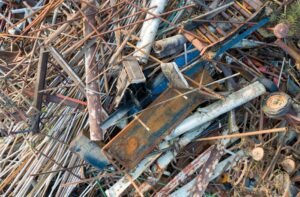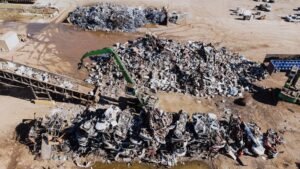

Bulk scrap metal refers to large quantities of sorted metal waste collected for recycling. In Australia, this material is categorized into grades based on composition, processed through specialized systems, and repurposed into new products. Understanding grades, recycling workflows, and sustainability impacts is critical for businesses and individuals seeking to monetize or responsibly manage scrap metal. This guide provides actionable insights into the entire lifecycle of bulk scrap metal.
Overview of Bulk Scrap Metal Grades
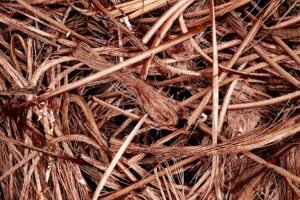
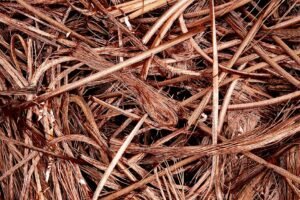
Bulk scrap metal is divided into primary categories: ferrous and non-ferrous metals. Ferrous metals contain iron and include steel, cast iron, and wrought iron. These materials are magnetic and widely used in construction and manufacturing. Non-ferrous metals, such as aluminum, copper, brass, and stainless steel, lack iron content and offer corrosion resistance. Grades are further classified by purity, alloy composition, and contamination levels, affecting their market value.
- Ferrous Grades: Mild steel, high-carbon steel, and stainless steel grades vary by carbon content and application.
- Non-Ferrous Grades: Aluminum grades like 6061 or 3003, copper grades like C11000, and brass grades like C26000 determine recycling efficiency.
- Specialty Alloys: Aerospace and industrial alloys (e.g., Inconel, Monel) require specialized recycling due to complex compositions.
How Bulk Scrap Metal Recycling Works in Australia
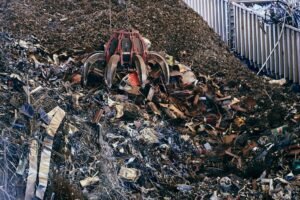
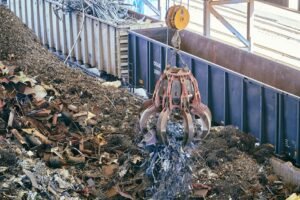
The recycling process for bulk scrap metal involves systematic steps to ensure safe and efficient material recovery. Here’s a breakdown of the workflow:
- Collection: Scrap metal is aggregated from industrial sites, demolition projects, or consumer sources. Platforms like Scrap Trade facilitate bulk collection logistics.
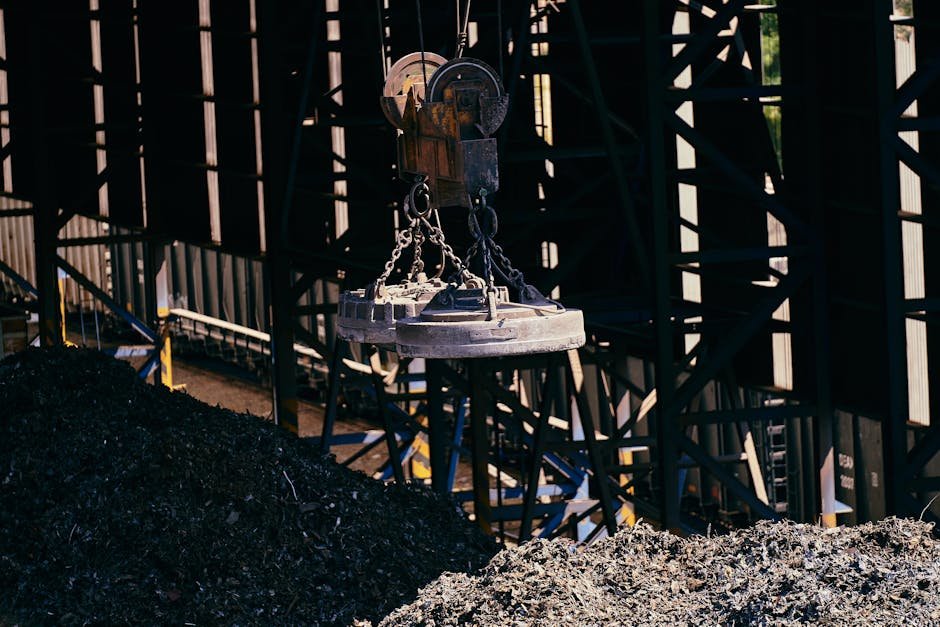
- Sorting: Materials are separated using magnetic separators, X-ray fluorescence (XRF) scanners, and manual inspections to identify grades.
- Shredding & Processing: Metals are shredded, baled, or melted depending on their grade. Facilities in locations like Ingleburn scrap metal use advanced machinery for large-volume operations.
- Refining: Purity is enhanced through smelting and alloying to meet industry standards before resale.
Environmental Benefits of Recycling Bulk Scrap Metal
Recycling bulk scrap metal significantly reduces environmental harm compared to virgin metal production. Key benefits include:
- Energy Savings: Recycling aluminum saves 95% of the energy required for primary production, while steel recycling saves 60%.
- Resource Conservation: Recycling reduces mining for bauxite, iron ore, and copper, preserving ecosystems.
- Emission Reduction: The Australian recycling sector avoids over 5 million tons of CO₂ annually by reusing metals.
- Landfill Diversion: Bulk scrap metal recycling diverts 80% of Australia’s metal waste from landfills, as reported by the Australian Recycling Industry Council.
Practical Tips for Selling Bulk Scrap Metal
Maximizing returns when selling bulk scrap metal requires strategic planning. Follow these expert tips:
- Assess Grades Accurately: Use XRF testing to identify non-ferrous grades. For example, scrap metal prices vary significantly between copper grades (C11000 vs. C14500).
- Prepare Materials: Remove contaminants like plastics, dirt, and oil to avoid downgrading. Cleanliness improves pricing by up to 15%.
- Local Market Research: Compare scrap metal recycling near me options to find facilities equipped for bulk processing.
- Track Price Trends: Monitor scrap metal prices on platforms like Scrap Trade Australia to time sales optimally.
Case Study: Bulk Scrap Metal Recycling in Goulburn
The scrap metal Goulburn facility processes 20,000 tons annually, specializing in ferrous and non-ferrous bulk recycling. By partnering with regional farmers and industrial clients, they achieve 98% material recovery rates. This model demonstrates how localized bulk recycling supports economic and environmental sustainability.
Future Trends in Bulk Scrap Metal Recycling
Advancements in AI sorting, blockchain traceability, and circular economy policies are reshaping bulk scrap metal recycling. For instance, AI-powered systems now identify metal grades with 99% accuracy, reducing human error. By 2026, platforms like Sell Scrap Metal Near Me In 2026 will integrate real-time analytics to optimize collection routes and pricing.
Conclusion: Embracing Bulk Scrap Metal Recycling
Recycling bulk scrap metal is a cornerstone of Australia’s circular economy. By understanding grades, supporting efficient recycling workflows, and leveraging market opportunities, stakeholders can drive sustainability while generating revenue. Whether you’re managing a construction site or a small business, adopting bulk scrap metal recycling aligns with global climate goals and economic resilience.
Frequently Asked Questions
What are the main grades of bulk scrap metal?
Bulk scrap metal is divided into ferrous (iron-containing) and non-ferrous (non-iron) grades. Ferrous includes steel and cast iron, while non-ferrous encompasses aluminum, copper, and brass.
How does recycling bulk scrap metal benefit the environment?
Recycling reduces energy consumption by 50-95% compared to virgin production, cuts CO₂ emissions, and minimizes landfill waste. It also conserves finite mineral resources.
Where can I sell bulk scrap metal in Australia?
Use platforms like Scrap Trade or search for scrap metal recycling near me to locate certified bulk scrap metal processors.
What factors influence the price of bulk scrap metal?
Prices depend on metal grades, global commodity markets, contamination levels, and local demand. Monitor scrap metal prices for real-time updates.