
If you need to buy stainless steel for fabrication, construction or resale, Australia now offers more supply channels than ever—yet prices and quality can swing wildly. This authoritative guide walks you through where to source 304 and 316 grades, how to verify suppliers, what drives the Stainless Steel Scrap Price and how to close deals safely while staying compliant with local environmental and scrap-metal regulations.
1. Understanding Stainless Steel Grades Before You Buy
Before you ring a trader, decide which grade suits your job. The two most common are 304 and 316. Both are austenitic, non-magnetic and corrosion-resistant, but 316 contains 2–3% molybdenum for marine-grade protection. If your project sits within five kilometres of saltwater or handles chlorinated chemicals, spending an extra 8–12% on 316 is economical long-term. Offcuts, plate, pipe and buy stainless steel sheet are usually labelled with an ASTM or AS number—ask for mill test certificates (MTC) so you can match the heat number to the chemical composition. Remember that stainless is a ferrous metal (it contains iron), so it will still stick to a magnet if it has been cold-worked; magnetism alone is not a reliable field test.
2. Where to Buy Stainless Steel in Australia: Scrap Yards vs. New Mills
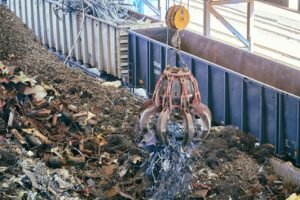
Australia no longer produces primary stainless slab, so every domestic mill—including Outokumpu coil facilities in western NSW—relies on imported slab or recycled stainless steel scrap. That means both scrap merchants and new-metal distributors sit on the same supply chain. If you want small quantities (10kg–2t), scrap yards in Laverton, Wingfield or Hemmant carry offcuts from fabrication shops at 30–50% below mill price. For larger, size-specific orders, ring an authorised service centre such as Atlas Steels, Vulcan Steel or Southern Steel Group; they shear sheet and plate to length and will sell you full 2t bundles. Finally, online platforms like Scrap.Trade list live tenders so you can buy stainless steel from demolition sites or oversupply stock without picking up the phone. Always verify the seller’s ABN and check the Stainless Steel Scrap Price trend so you know whether the quote is fair.
3. Pricing: How the Steel Price per Tonne Is Calculated in 2026
Domestic stainless pricing follows London Metal Exchange (LME) nickel quotes, currency spreads and local yard inventory. In April 2026, the average steel price per tonne for 304 solid bar is $2,350 ex-yard, whereas 316 solid bar sits at $2,950. Sheet and plate attract an extra 8% rolling premium, while turnings and swarf—classified as scrap steel—trade closer to $1,450 because of 8–12% contamination with free iron and cutting oil. If you agree to buy mixed 304/316, insist on a spectro test; yards will often blend cheaper 304 into the bundle. Payment terms vary: cash or EFTPOS up to $10,000 under Australian AML rules, EFT for larger sums. GST is added unless you hold a valid second-hand dealer exemption. Bookmark the daily index on Scrap.Trade to time purchases when nickel dips; a $500/t swing within a fortnight is common.
4. Trusted Buyers and Sellers: Verification Checklist
Buying from an unknown Facebook marketplace seller can end in chrome-plated mild steel masquerading as stainless. Use this checklist to shortlist trusted traders:
- Search the ScrapTrade.com.au national directory—every listing is vetted for EPA licensing.
- Ask for a recent Stainless Steel Scrap Price sheet; legitimate yards publish weekly numbers.
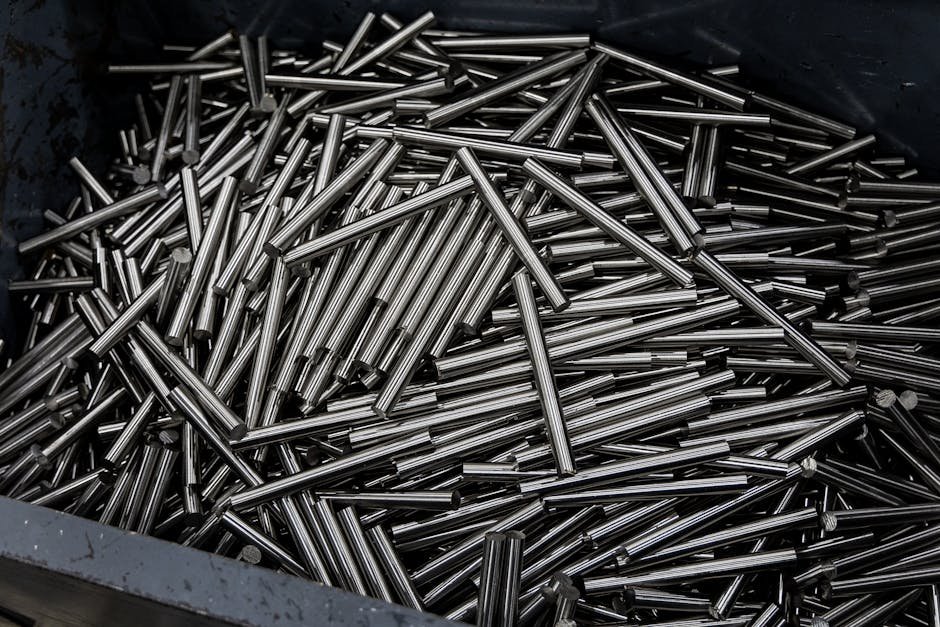
- Request photos of the actual stainless steel product stock showing heat numbers.
- Run a 2-minute molybdenum spot test; 316 turns dark yellow within 30 seconds.
- Check that the site accepts card payments—an easy fraud filter.
Major corporate sellers include Sims Metal, InfraBuild and BlueScope’s plate division. For marine-grade pipe and fittings, see Buy Ss316 Stainless Steel Scrap Marine Grade Available Australia 2026 to locate bundles ex-ship-repair yards in Fremantle and Newcastle. These lots often contain pristine 316L pipe at scrap prices because ship insurers mandate early replacement.
5. Step-by-Step Process to Buy Stainless Steel Scrap or Prime
- Define specification: Grade (304/316), surface finish (No.1, 2B, BA), form (sheet, plate, angle, pipe, rebar).
- Source quotes: Use at least three channels—local scrap yard, mill service centre and online tender portal.
- Inspect: Visit the yard or request a 30-second handheld XRF video showing Cr, Ni, Mo percentages.
- Negotiate: Benchmark against steel price per tonne index; ask for a tonnage discount above 5t.
- Arrange freight: Stainless is dense—around 8t per cubic metre—so a 22t semi-trailer carries roughly 2.7m³.
- Pay and collect: Ensure you receive a weighbridge ticket calibrated within the last 12 months and a tax invoice matching the ABN.
- On-process: If you plan to on-sell, cut, or fabricate, keep copies of MTCs for end-customer traceability.
Demolition contractors often follow a similar workflow; read Buy Structural Steel Scrap From Demolition In 2026 to compare how carbon-steel beams are handled differently from stainless.
6. Environmental and Regulatory Considerations
Stainless is 100% recyclable, but Australian states impose strict licensing. In Victoria, you must hold a Prescribed Metal Recycling licence to trade >100t per month. In Queensland, photo ID is compulsory for any transaction. Always ask for a copy of the seller’s EPA licence number and run a free check on the state portal. Importing stainless waste from overseas is prohibited without a AQIS permit because residual chemicals may be clinging to the sheet metal. If you export scrap, you need a prior informed consent certificate under the Hazardous Waste (Basel) Regulation. Adhering to these rules not only keeps you compliant but also secures cheaper finance—several green-bond lenders now offer 50 basis-point discounts on working-capital facilities for verified recycled-content supply chains.
7. Practical Tips to Maximise Value When You Buy Stainless Steel
- Buy oversized offcuts and shear them yourself; scrap yards charge by weight, not labour, so 1t of 6mm plate offcut can be 20% cheaper per kg than laser-cut blanks.
- Time your purchase at month-end when yards need to hit volume rebates; quotes can drop $80–$120/t.
- Bundle orders for mixed ferrous metal purchases—stainless plus mild steel—to negotiate a flat freight rate.
- Store stainless indoors; airborne iron particles from nearby grinding can settle and rust, giving the illusion of “failing” stainless.
- If you need consistent 316 for food or pharmaceutical welds, buy only bundles that come with original Lloyds or TÜV material test certificates.
8. Online vs. Offline: Which Channel Should You Use?
Online platforms give you nationwide reach and transparent pricing, but you forgo the tactile inspection. Offline yards let you kick the tyres, yet you’re limited to local inventory. Hybrid is optimal: shortlist online, then request a facetime walk-through of the pile. Since 2024, Scrap.Trade has offered a 360° video inspection service; if the delivered material differs by >3% chemistry, the platform refunds 100% of the trade value. For urgent overnight fabrication, offline remains king—Sydney’s Auburn and Melbourne’s Dandenong South still keep 1t of 304 buy stainless steel sheet in stock that can be couriered within three hours.
9. Common Pitfalls and How to Avoid Them
Pitfall 1: Believing 409 automotive exhaust grade is “almost 304” because it’s shiny. 409 has 10.5–11.75% chromium and no nickel—price is 60% lower and it will rust near the ocean. Pitfall 2: Ignoring residual contamination. A single pallet of scrap steel mixed with turnings can contain 2% oil by weight; when re-melted, that carbon spikes and downgrades your 304 to 201. Insist on clean, segregated loads. Pitfall 3: Forgetting GST on small cash deals. The ATO data-matches weighbridge tickets; if you claim an input credit, ensure the invoice shows GST clearly.
10. Future Outlook: Should You Lock in Forward Contracts?
Nickel prices are forecast to remain volatile as Indonesian export bans tighten. If your business fabricates tanks, consider a three-month forward contract with a scrap merchant at a $100/t premium; this caps your exposure while still letting you buy stainless steel below peak spot. Conversely, if you’re a demolition contractor holding 316 staircase balustrading, market it now rather than stockpile—Indonesian NPI (nickel pig iron) capacity is expected to flood back online in late 2026, softening prices. For structural beams, see the linked article on Buy Structural Steel Scrap From Demolition In 2026 to compare carbon-steel forecasts.
Conclusion
To buy stainless steel intelligently in Australia, match the grade to your environment, verify suppliers through licensed directories, benchmark against the live steel price per tonne and insist on documented chemistry. Whether you pick 304 for general fabrication or 316 for marine exposure, sourcing from verified scrap merchants and online platforms such as Scrap.Trade can cut material costs by up to 40% while meeting ASME and Australian Standards. Keep an eye on nickel futures, store material in a clean, dry bay, and you’ll lock in quality stock at a price your project can afford.
FAQs
- Q1: What is the difference between 304 and 316 stainless?
- A1: 316 contains 2–3% molybdenum for superior chloride resistance, making it ideal for marine and chemical plants; 304 is cheaper and adequate for indoor food equipment.
- Q2: Can I buy stainless steel scrap for architectural work?
- A2: Yes, provided you obtain mill test certificates and ensure surface finish meets architectural specs; many façades now use 60% recycled content to meet green-star ratings.
- Q3: How quickly can I receive material if I order online today?
- A3: Platforms like Scrap.Trade deliver within 2–3 business days for capital cities and 4–5 days for remote regions, assuming stock is already yard-checked.
- Q4: Is GST payable on scrap stainless purchases?
- A4: Generally yes; unless you hold a second-hand dealer notice, the seller must collect 10% GST and issue a tax invoice for compliance.
Related: stainless steel product