
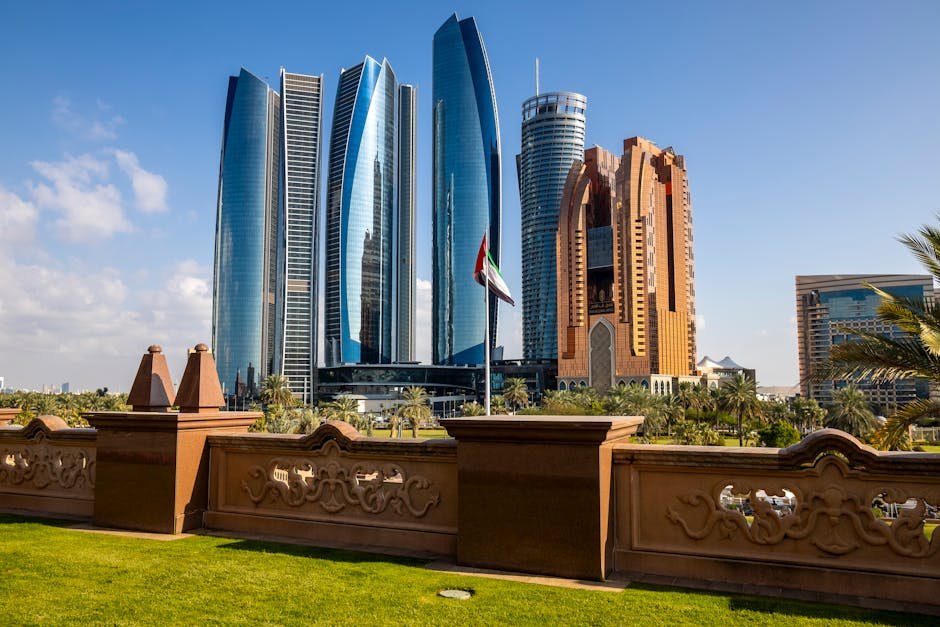

Navigating the industrial landscape to find professional scrap buyers Abu Dhabi requires a deep understanding of both local regulatory frameworks and global commodity fluctuations. As the UAE continues to position itself as a central hub for circular economy initiatives, the scrap metal industry has evolved from informal collection to a sophisticated, technology-driven sector. Whether you are managing industrial waste from construction sites or clearing out decommissioned machinery, partnering with the right metal buyer is essential to maximizing your profit margins and ensuring environmental compliance. This guide serves as your authoritative resource for identifying trusted dealers, understanding metal grading, and optimizing your logistics for the best possible return on investment.
The Landscape of Scrap Metal Trading in Abu Dhabi
Abu Dhabi serves as a critical node in the global scrap trade, benefitting from its proximity to major shipping routes and robust industrial infrastructure. The market for scrap metal is highly volatile, influenced by demand from manufacturing powerhouses in Asia and Europe. When you engage with scrap buyers Abu Dhabi, you are not just selling waste; you are participating in a global supply chain. Understanding the local nuances—such as the requirement for waste transport permits and environmental clearance from the Environment Agency – Abu Dhabi (EAD)—is the first step in establishing a sustainable trading relationship. For those looking to expand their reach beyond local borders, mastering How To Find Overseas Scrap Buyers is vital for long-term growth. Similarly, if you are looking for broader market insights, our Ultimate Guide to Scrap Metal Buyers in Australia provides a comparative look at how mature markets handle bulk metal logistics and quality control. By aligning your local operations with international standards, you increase your leverage when negotiating pricing with local yards.
Verifying Scrap Buyers and Ensuring Fair Pricing
Not all buyers are created equal. The most trusted dealers in the region operate with transparency, utilizing calibrated electronic scales and providing detailed weighbridge tickets for every transaction. To avoid predatory pricing, you must track the LME rates daily. Scrap prices are typically calculated as a percentage of the LME spot price, minus processing and transport costs. If a buyer offers a rate significantly higher than the market average, be wary of hidden fees or poor grading practices. Always ask for proof of certification and check their history of handling hazardous materials. Furthermore, if you are scaling your business, you should learn How To Find Verified Scrap Buyers Worldwide 2 to diversify your portfolio. Remember that consistent volume often grants you better pricing tiers; therefore, consolidating your scrap collection points can lead to more favorable contracts. You can find more resources for managing your metal recycling assets at Scrap Trade Australia, which offers excellent templates for inventory management.
Understanding Metal Grades and Quality Control
The profitability of your scrap depends entirely on how well you sort and grade your materials. Ferrous metals, such as steel and iron, are graded based on their chemical composition and size, while non-ferrous metals like copper, aluminum, and brass command significantly higher prices due to their scarcity and infinite recyclability. For instance, ‘bright shiny’ copper wire is the gold standard, whereas copper contaminated with plastic or solder will be downgraded. To maximize your revenue, implement a strict on-site segregation policy. Educate your staff on the difference between high-grade aluminum alloys and low-grade cast aluminum. When you present clean, sorted loads to a buyer, you reduce their processing labor, which in turn gives you room to negotiate a higher price per ton. If you are struggling to reach international standards, read our guide on How To Attract International Scrap Buyers to understand the quality requirements of global smelters. Proper sorting is not just a best practice; it is a prerequisite for entering the premium tiers of the scrap metal market.
The Environmental and Economic Benefits of Recycling
Recycling scrap metal is one of the most effective ways to reduce the carbon footprint of the construction and manufacturing industries. Producing new aluminum from recycled scrap requires up to 95% less energy than extracting it from bauxite ore. In Abu Dhabi, the push toward a greener economy is supported by government mandates that encourage the diversion of waste from landfills. By selling your scrap to legitimate, licensed recyclers, you are contributing to a circular economy that preserves natural resources and reduces the need for energy-intensive primary production. This environmental stewardship also improves your company’s ESG (Environmental, Social, and Governance) rating, which is increasingly important for securing contracts with large-scale developers and government entities. Trusted dealers will often provide you with a certificate of recycling, which serves as valuable documentation for your own sustainability reporting. As you refine your recycling processes, consider the long-term impact of your supply chain choices on the region’s overall environmental health.
Logistics and the Future of the Scrap Industry
Logistics often determine the feasibility of a scrap transaction. Transporting heavy metals requires specialized vehicles and, in some cases, specific permits for moving industrial waste. The most efficient operations utilize a ‘hub and spoke’ model, where smaller volumes are collected and consolidated at a central facility before being shipped to large-scale processors or export docks. As technology advances, we are seeing the integration of AI-driven sorting machines and blockchain-based tracking for scrap materials, which ensures that the origin and quality of the metal are verified throughout the supply chain. This transparency is key to building trust in the international market. As you grow your operations, keep an eye on emerging trends in automated sorting and digital marketplace platforms that connect sellers directly with end-users. By staying ahead of these technological shifts, you position yourself as a leader in the scrap trade rather than just a commodity seller. Always maintain a clean, organized yard to facilitate efficient loading and unloading, as time is money in the high-volume world of metal recycling. Finally, leverage the resources available at Scrap Trade to stay updated on global market shifts and best practices for site management.
Case Study: Optimizing Industrial Scrap Recovery
Consider a large construction firm in Abu Dhabi that previously discarded its copper piping and aluminum formwork as general waste. By implementing a dedicated scrap management plan—including clearly marked bins for different metal grades and a partnership with a certified, high-volume buyer—they transformed a cost center into a revenue stream. Within six months, the firm recovered over 15% of their initial material costs through scrap sales. This case highlights the importance of internal culture; when employees understand the value of the materials they handle, they are more likely to ensure proper sorting and storage. This firm also benefited from the buyer’s expertise in logistics, as the buyer provided specialized containers that minimized the number of trips required for transport. The result was not only a financial gain but also a significant reduction in the amount of waste sent to local landfills, aligning the firm with Abu Dhabi’s Vision 2030 sustainability goals. This example demonstrates that success in the scrap industry is a combination of operational efficiency, strategic partnerships, and a commitment to quality control.
Conclusion: Building Long-Term Value
The scrap metal industry in Abu Dhabi is a dynamic and rewarding field for those who approach it with professionalism and diligence. By focusing on accurate grading, building relationships with trusted dealers, and staying informed about global market trends, you can turn your scrap into a significant asset. Remember that the market rewards consistency and quality; the more you invest in your sorting processes and logistics, the more you will be able to demand in terms of pricing and service. Use the resources provided in this guide to build your network, verify your partners, and optimize your operations. Whether you are a small business owner or a large industrial player, the principles of the circular economy remain the same: value is found in what others discard. Start by auditing your current waste stream, identifying the high-value metals, and reaching out to reputable buyers who can help you unlock the true potential of your scrap metal inventory. Your journey toward becoming a sophisticated participant in the global scrap trade begins with the decisions you make today.
Related: How To Attract International Scrap Buyers
Frequently Asked Questions
How do I verify if a scrap buyer in Abu Dhabi is legitimate?
Always ask for a copy of their valid Trade License and their Environmental Agency – Abu Dhabi (EAD) permit. A legitimate buyer will also have a public office or a clearly marked industrial yard and will provide official, stamped weight tickets for every transaction.
What is the most important factor in getting the best price for my scrap?
The most important factor is the purity and sorting of your scrap. Clean, separated metals (e.g., separating copper from plastic or aluminum from steel) command significantly higher prices because they require less processing by the buyer.
How often do scrap metal prices change in the UAE?
Scrap metal prices in the UAE are highly volatile and fluctuate daily based on the London Metal Exchange (LME) and international demand. It is advisable to check the daily market rates or consult with your buyer regularly to stay aligned with current pricing trends.
Do I need special permits to transport scrap metal in Abu Dhabi?
Yes, transporting industrial scrap often requires specific waste transport permits issued by the Center of Waste Management (Tadweer) or relevant local authorities. Ensure your chosen logistics partner or buyer is authorized to handle and transport the specific type of waste you are moving.