
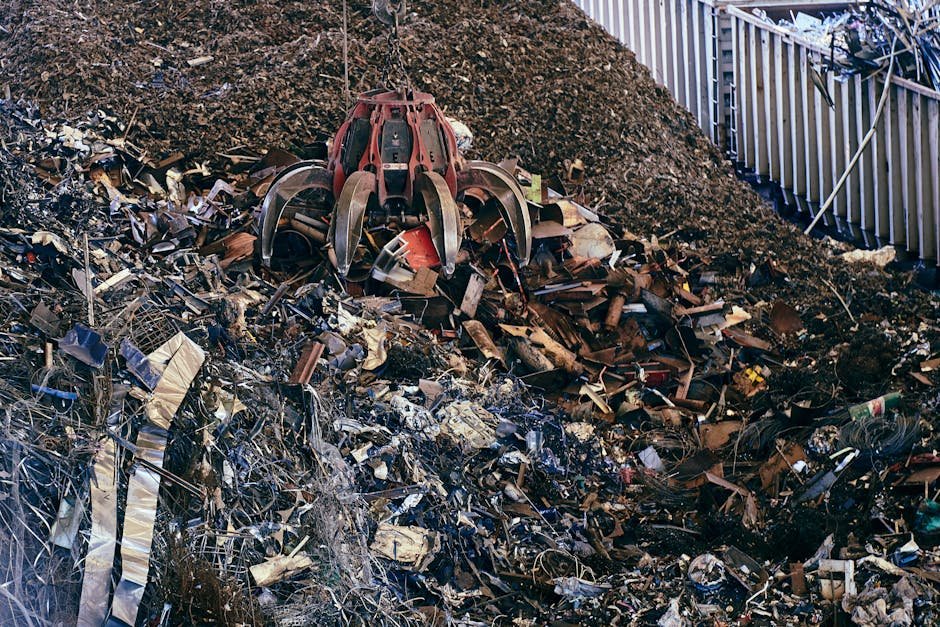

Navigating the landscape of scrap buyers online requires a blend of industry knowledge, logistical planning, and an understanding of global commodity trends. For Australian businesses and industrial operators, the ability to connect with reputable metal buyers through digital channels has transformed a traditionally opaque industry into a streamlined, data-driven sector. As the market matures, the shift toward professionalized, online-first trading has become the standard for those seeking to maximize the value of their ferrous and non-ferrous waste streams. Understanding how to identify trusted dealers and utilize modern platforms is no longer optional; it is a competitive necessity.
The Evolution of the Australian Scrap Market
The Australian scrap metal industry has transitioned from local, fragmented yards to a sophisticated, interconnected ecosystem. Why Scrap Trade Online Is Growing is a direct result of the need for price transparency and efficient inventory management. Historically, sellers were limited to the nearest local yard, often accepting take-it-or-leave-it pricing without access to broader market data. Today, digital platforms provide real-time benchmarks, allowing sellers to compare offers and find the best fit for their specific volume and grade.
This digital transformation has empowered SMEs and large-scale industrial producers alike. By accessing a national or international network, sellers can ensure their material reaches the end-user or high-level processor directly, cutting out unnecessary middlemen. This efficiency is reflected in the rising popularity of the Online Scrap Auction, which facilitates competitive bidding environments for larger lots of material. Whether you are dealing with copper, aluminum, or high-grade steel, the ability to list your material where it is most in demand is the hallmark of modern scrap management.
Identifying Trusted Dealers and Verified Buyers
Trust is the currency of the scrap trade. When searching for scrap buyers online, it is vital to vet potential partners based on their certifications, payment history, and logistical capabilities. A trusted dealer will always provide clear documentation, including weighbridge certificates and environmental compliance reports. They should be able to demonstrate a track record of handling the specific grades you are producing, whether that be high-volume industrial offcuts or specialized machinery teardowns.
To ensure you are working with a legitimate entity, always verify their ABN and physical footprint. Many reputable firms now operate through a centralized hub for metal recycling, which acts as a vetting layer to protect sellers from fraudulent activities. Furthermore, when you engage with professional Australian scrap trade services, you gain access to established logistics networks that handle the complexities of transport, ensuring that your material is moved safely and legally according to state-based environmental regulations.
Understanding Metal Grades and Valuation
The value of your scrap is dictated by its grade, purity, and the current LME (London Metal Exchange) pricing. Understanding these categories is essential for anyone looking to sell effectively. For instance, copper is categorized into grades such as ‘Bright and Shiny’ (Grade 1), ‘Candy’ (Grade 2), and ‘Burnt Wire.’ Each grade commands a different price point based on the level of processing required to refine it back into raw material.
Aluminum, on the other hand, is graded based on its alloy composition—6063 extrusions, cast aluminum, or mixed turnings. Ferrous metals, such as steel and iron, are graded by thickness and contamination levels. High-quality, clean scrap will always command a premium. Sellers who invest time in segregating their materials at the source—keeping copper separate from brass, or removing plastic and rubber contaminants from wiring—will consistently achieve higher returns when dealing with scrap buyers online.
The Logistics of Selling Scrap Online
Selling scrap is as much about logistics as it is about the metal itself. If you are looking at How To Sell Scrap Metal Online To International Buyers 2, you must consider the complexities of export regulations, container loading, and customs documentation. International buyers often look for consistent, high-volume supply, making this route ideal for large industrial manufacturers but potentially prohibitive for smaller operators.
For domestic sales, the process usually involves a scheduled pickup or a drop-off at a certified facility. Modern platforms allow you to track your shipment, view weight reports, and receive payment upon verification. This transparency is a significant upgrade from the ‘cash-in-hand’ days of the past, providing an audit trail that is essential for corporate compliance and ESG (Environmental, Social, and Governance) reporting. For a deep dive into the practical steps of this process, refer to The Complete Guide to Online Scrap Buyers in Australia, which outlines the specific documentation and safety protocols required for successful transactions.
Environmental Benefits and Circular Economy
Beyond the financial incentives, scrap recycling is a cornerstone of the circular economy. By recycling metals, we drastically reduce the energy required to mine, transport, and refine virgin ore. For example, recycling aluminum consumes roughly 95% less energy than producing it from bauxite ore. As Australian industries face increasing pressure to lower their carbon footprint, scrap metal recycling provides a tangible way to demonstrate progress toward sustainability goals.
When you work with reputable buyers, you ensure that your waste is being processed in facilities that adhere to strict environmental standards. This prevents hazardous materials, such as lead-acid batteries or contaminated electronic waste, from entering landfills. By choosing to trade through established digital networks, you are supporting a system that prioritizes material recovery and resource efficiency, contributing to a more sustainable industrial future for Australia.
Strategic Tips for Maximizing Scrap Returns
To consistently get the best value, treat your scrap as a revenue stream rather than a waste disposal cost. First, implement a rigorous segregation policy on-site. The cost of labor to separate materials is almost always outweighed by the higher price paid for clean, homogenous batches. Second, keep a close eye on market fluctuations. Metal prices are volatile; timing your sales to coincide with market peaks can result in significant margin improvements.
Third, build long-term relationships with your buyers. While online platforms are excellent for finding initial leads, a consistent seller who provides high-quality, well-sorted material will often receive preferential treatment, better pricing, and priority scheduling during peak periods. Finally, leverage technology. Use inventory management software to track your scrap accumulation, allowing you to trigger sales when volumes reach optimal shipping levels, thereby reducing logistical costs.
Future Trends in the Scrap Industry
The future of the scrap industry is increasingly digital and automated. We are seeing the rise of AI-driven sorting technologies that can identify and separate alloys with near-perfect accuracy. Furthermore, blockchain is being explored as a means to track the provenance of recycled materials, providing buyers with the assurance that their supply chain is ethical and sustainable. For Australian businesses, staying ahead of these trends means adopting digital-first strategies today.
As the global demand for recycled content in manufacturing grows, the value of high-quality scrap will only increase. Those who master the art of trading through online platforms will be best positioned to capitalize on these shifts. Whether you are a small workshop or a large-scale manufacturing plant, the digital scrap market offers unprecedented opportunities for growth, efficiency, and environmental impact. By utilizing the resources provided in this guide, you can navigate the market with confidence and turn your scrap metal into a strategic asset.
Related: Why Scrap Trade Online Is Growing
Related: How To Sell Scrap Metal Online To International Buyers 2
Frequently Asked Questions
How do I know if a scrap buyer is legitimate?
Check for a valid ABN, a physical business address, and clear environmental compliance certifications. Reputable buyers will also provide professional weighbridge documentation and transparent payment terms.
Why is sorting scrap metal important for pricing?
Sorting prevents contamination and ensures the material meets specific grade requirements. Clean, segregated loads require less processing, allowing buyers to pay a premium compared to mixed or dirty scrap.
What is the best way to track scrap market prices?
Monitor the London Metal Exchange (LME) for base metal trends and utilize online scrap trading platforms that provide real-time local market data. Keeping track of these indices helps you time your sales for maximum profitability.
Are there specific regulations for selling scrap metal in Australia?
Yes, regulations vary by state, often involving strict identification requirements for sellers to prevent the trade of stolen goods. Always ensure your buyer adheres to local state-based recycling and environmental laws.