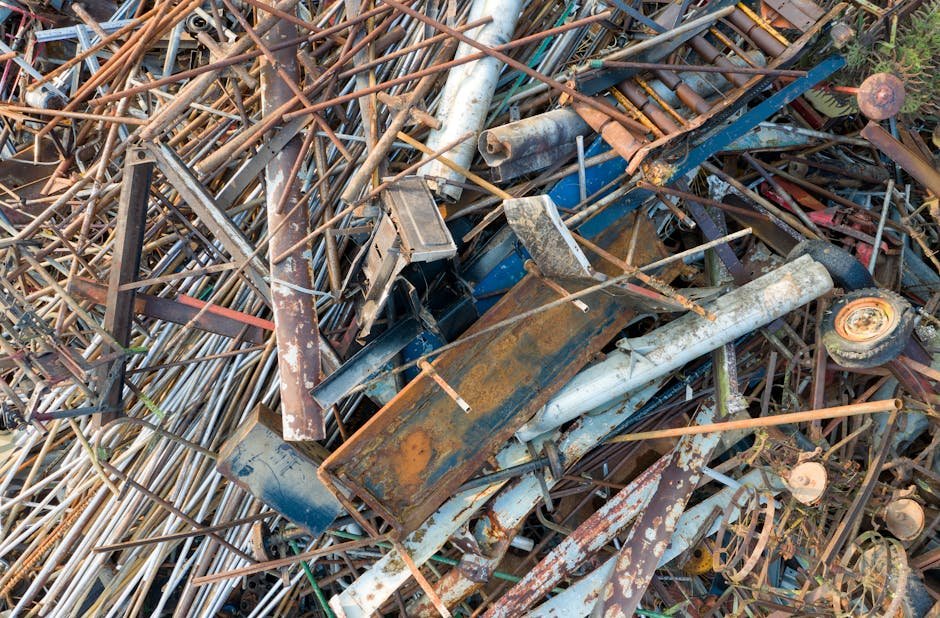

When searching for scrap metal buyers Fairfield, it is essential to partner with professionals who prioritize transparency, competitive pricing, and efficient processing. Fairfield, located in the heart of Sydney’s industrial corridor, serves as a hub for both commercial and residential recycling, making it a prime location to liquidate your metal assets. Whether you are a tradesperson with excess copper piping or a homeowner clearing out old appliances, understanding the local market is the first step to maximizing your return.
Understanding the Scrap Metal Market in Fairfield
The scrap metal industry in Sydney is highly dynamic, influenced by global commodity markets, local demand, and logistical costs. As a scrap buyer operating in the Fairfield region, we see a diverse range of materials passing through our facility daily. To get the best deal, you need to understand how the market functions. Prices are rarely static; they fluctuate based on the London Metal Exchange (LME) and the strength of the Australian dollar. When you search for where to find the best value, consider that established yards often provide better rates because they have direct access to smelters and export markets, cutting out the middleman.
For those looking to optimize their haul, it is helpful to monitor Scrap Metal Prices regularly. By keeping an eye on these trends, you can time your sales to coincide with market peaks. If you are located slightly further afield, you might also be interested in our services for scrap metal buyers concord, which shares similar industrial logistics to the Fairfield area. The key to a successful transaction is preparation: clean your metal, remove non-metallic attachments, and sort your grades before arrival.
How to Identify Trusted Scrap Metal Buyers Fairfield
Not all scrap yards are created equal. When selecting scrap metal buyers Fairfield, you must look for specific indicators of professionalism. A trusted dealer will always provide a clear, public display of their weighing process. If you cannot see the scales, you cannot verify the weight. Furthermore, a reputable buyer will be fully licensed and compliant with NSW environmental regulations, ensuring that your waste is handled responsibly rather than ending up in landfill.
You can find more information about local standards and industry best practices by visiting our scrap metal trading platform, which connects sellers with vetted, professional recyclers. Always ask for a breakdown of your payment by grade. If a buyer offers a flat rate for a mixed bin without sorting, you are likely losing money. A professional yard will take the time to separate copper, brass, stainless steel, and aluminum, offering you the specific market rate for each.
The Process: How to Sell Your Scrap Metal
Selling your scrap is a straightforward process when you know what to expect. First, gather your materials. It is helpful to separate them into ferrous (magnetic) and non-ferrous (non-magnetic) categories. Non-ferrous metals like copper, aluminum, and lead generally command higher prices. Once you have sorted your items, bring them to a facility that specializes in Scrap Metal Recycling Near Me to ensure you are dealing with a local expert.
Upon arrival, your materials will be weighed on calibrated, government-certified scales. The operator will then assess the grade and cleanliness of your metal. Clean metal—free from paint, plastic, or insulation—will always fetch a higher price than contaminated scrap. Once the assessment is complete, you will receive a receipt or weigh-bridge ticket detailing the weight and the price per kilogram. For those looking to streamline their operations, we recommend reviewing our guide on how to Sell Scrap Metal Near Me In 2026, which outlines the future of digital scrap trading and automated payments.
Grades of Scrap Metal and Why They Matter
To be a savvy seller, you must understand the grading system. In the Fairfield scrap market, metals are classified by their purity and composition. Copper, for instance, is graded as #1 (bare bright wire), #2 (clean pipe), or #3 (light/contaminated). The cleaner the copper, the higher the price. Aluminum is similarly graded, with ‘extrusion’ being more valuable than ‘cast’ or ‘sheet’ aluminum. When you engage with scrap metal buyers Fairfield, ask them to explain how they grade your specific batch.
Understanding these grades allows you to maximize your profit. For example, stripping the insulation off copper wire can take time, but the price difference between insulated wire and clean copper can be significant. Similarly, removing iron screws from aluminum frames can bump your material up a grade. If you are unsure about the classification of your items, our team at Scraptrade can provide expert guidance on identifying and preparing your metals for the highest possible payout.
Environmental Benefits of Metal Recycling
Recycling scrap metal is one of the most effective ways to reduce your carbon footprint. Mining virgin ore is an energy-intensive process that destroys habitats and consumes vast amounts of water. By contrast, recycling existing metal requires a fraction of the energy. For instance, recycling aluminum saves approximately 95% of the energy required to produce it from raw bauxite. When you choose to recycle with professional scrap metal buyers Fairfield, you are contributing to a circular economy that keeps valuable resources in production and out of the waste stream.
Furthermore, recycling prevents hazardous materials from leaching into the soil. Many electronic components and industrial metals contain heavy metals that can be toxic if buried in a landfill. By working with certified recyclers, you ensure that these materials are processed in a controlled environment where hazardous substances are safely extracted and disposed of according to strict environmental standards.
Logistics and Transport for Large Quantities
For commercial clients or construction companies in Fairfield, transporting large volumes of scrap can be a logistical challenge. Many professional buyers offer bin services or pick-up options. If you have a significant amount of scrap, it is often more cost-effective to have a skip bin placed on-site. This allows your team to dispose of scrap as it is generated, keeping the workplace safe and clutter-free. When choosing a partner for large-scale disposal, look for those who provide timely collection and reliable reporting, as this is crucial for your business’s waste management compliance.
If you are looking for specific regional services, you can explore our resources for scrap metal fairfield to identify facilities that offer industrial-grade collection services. Having a dedicated partner who understands the nuances of your industry—whether it is manufacturing, plumbing, or demolition—can turn your waste stream into a consistent revenue source. Always verify that the buyer provides a waste transfer certificate if you require documentation for your own environmental reporting.
The Future of Metal Recycling in Australia
The Australian scrap metal industry is rapidly evolving. We are seeing a shift toward more sophisticated sorting technologies, including X-ray fluorescence (XRF) analyzers that can determine the exact chemical composition of a metal alloy in seconds. This technology ensures that sellers get paid accurately for high-value alloys like titanium, nickel, and cobalt. As we look toward 2026 and beyond, the integration of digital platforms will make it easier than ever to track your scrap, view historical pricing, and schedule pickups.
Education remains the most important tool for the consumer. By understanding the value of your scrap and knowing how to prepare it, you empower yourself to participate in a global market that is essential for sustainable development. Whether you are a small-scale recycler or a large industrial firm, the principles remain the same: sort your materials, clean your metals, and choose a partner who values transparency and integrity. By following these guidelines, you ensure that your scrap metal contributes to a greener, more efficient future for Australia.
Conclusion: Choosing the Right Partner
Finding the right scrap metal buyers Fairfield is about more than just finding the highest price; it is about building a relationship with a partner who understands the value of your materials and the importance of ethical recycling. By prioritizing yards that offer clear weighing, fair grading, and professional service, you protect your interests and contribute to a more sustainable industry. We encourage you to use the resources provided here to research your options, compare current market rates, and prepare your scrap for the best possible return. Remember that the effort you put into sorting and cleaning your metal is directly rewarded at the scales. Start your recycling journey today and turn your scrap into a valuable asset.
Frequently Asked Questions
How can I get the best price for my scrap metal in Fairfield?
To get the best price, always sort your metals by type (e.g., copper, aluminum, brass) and ensure they are clean of non-metallic contaminants like plastic or rubber. Monitoring current market rates and choosing a reputable, transparent buyer will also help maximize your return.
What is the difference between ferrous and non-ferrous metals?
Ferrous metals contain iron and are magnetic, such as steel and iron, and generally have a lower market value. Non-ferrous metals, such as copper, aluminum, and brass, do not contain iron, are not magnetic, and typically fetch higher prices due to their scarcity and recyclability.
Do I need to make an appointment to sell scrap metal?
Most scrap yards in Fairfield accept walk-ins during business hours, but for large commercial quantities, it is best to call ahead. Some facilities also offer scheduled bin services or pickup for larger industrial loads.
What documents do I need to sell scrap metal?
In New South Wales, you typically need a valid form of government-issued photo ID to sell scrap metal, as regulations require buyers to keep records of transactions to prevent the sale of stolen goods. Always be prepared to present your driver’s license or passport.