
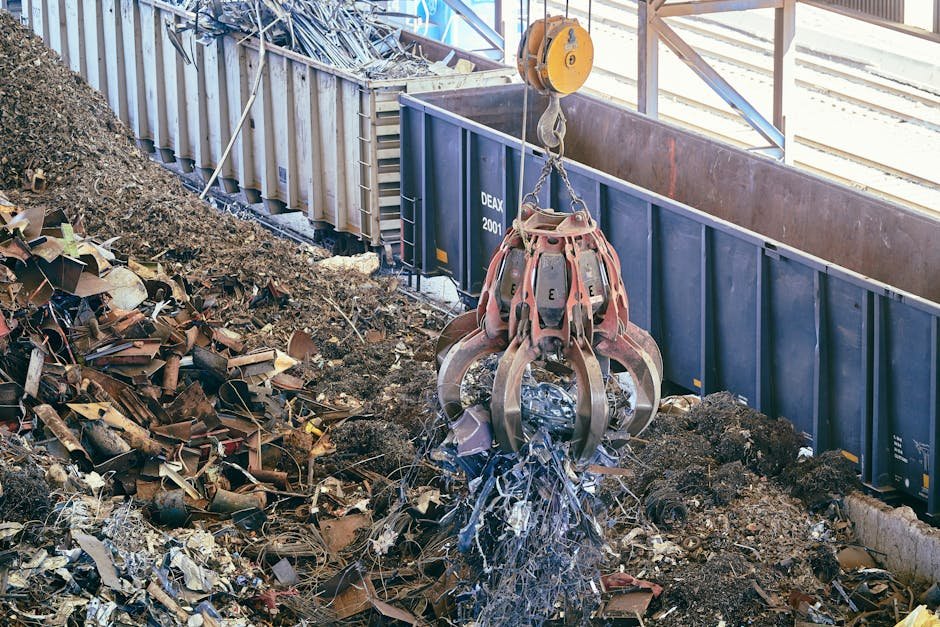

When you start searching for a scrap buyer near me, you are entering a sophisticated ecosystem that powers Australia’s circular economy. Whether you are a tradesperson clearing a job site or a homeowner with a pile of old copper piping, choosing the right partner is the difference between a fair payout and a missed opportunity. The Australian scrap metal industry is highly regulated, and finding a partner who operates with integrity is paramount to maximizing your returns. If you are looking to Sell Scrap, understanding the nuances of local market dynamics is your first step toward success. This guide serves as your comprehensive resource for navigating the industry, from identifying high-value grades to understanding the environmental impact of your recycling efforts.
Understanding the Role of a Metal Buyer
A metal buyer acts as the bridge between raw waste and industrial manufacturing. In Australia, these businesses range from small, family-owned yards to large-scale industrial processors like Gmr Scrap. When you look for a scrap buyer near me, you are looking for an entity that can accurately identify, weigh, and process your materials. A professional buyer does more than just pay cash; they provide essential logistics, such as bin services for industrial sites or local pickup for large volumes of heavy machinery. They operate under strict environmental protection licenses, ensuring that hazardous materials—like lead-acid batteries or refrigerant gases—are handled safely. When you engage a professional, you are not just clearing space; you are participating in a global supply chain that reduces the need for virgin ore extraction, which is significantly more energy-intensive than recycling existing Scrap.
How to Identify Trusted Dealers
Selecting a partner requires due diligence. The Ultimate Guide to Choosing a Scrap Buyer in Australia highlights that the most reliable yards are those with transparent pricing structures. Look for dealers who display their current price lists or are willing to provide a breakdown of how your material is graded. A trusted dealer will have certified digital scales that are calibrated regularly to ensure accuracy. Avoid buyers who offer vague quotes over the phone without seeing the material, as honest dealers know that quality, cleanliness, and sorting drastically affect the final value. Check for membership in industry bodies like the Australian Council of Recycling (ACOR). These organizations set the standard for ethical practices, safety protocols, and environmental stewardship, providing you with peace of mind that your materials are being processed correctly.
Mastering Scrap Grades and Pricing
Pricing is rarely a flat rate; it is a complex calculation based on current London Metal Exchange (LME) trends, domestic demand, and the purity of your material. Understanding scrap grades is the most effective way to increase your profit. Copper, for example, is graded by its cleanliness: ‘Bright and Shiny’ (Number 1 copper) fetches the highest price because it is free of oxidation, insulation, and solder. ‘Number 2’ copper, which might contain minor impurities, will be valued lower. Aluminum is similarly categorized into ‘Extrusion,’ ‘Cast,’ and ‘Sheet.’ When you approach a scrap buyer near me, sorting your materials beforehand is the single best way to ensure you are paid for the highest grade possible. Mixing your high-value copper with low-value steel will lead the yard to grade the entire load at the lowest common denominator. Invest time in separating your ferrous (magnetic) metals from your non-ferrous (non-magnetic) metals like brass, copper, and stainless steel.
The Recycling Process: From Yard to Mill
Once your material is accepted, the recycling process begins. Large yards utilize shredders, shears, and balers to reduce the volume of the scrap for efficient transport. Non-ferrous metals are often sorted using eddy current separators, which use magnetic fields to repel non-ferrous metals, effectively separating them from plastics and glass. For ferrous metals, powerful overhead magnets are used to separate steel and iron from other debris. The processed material is then cleaned—removing contaminants like oil, paint, or plastic coatings—before being melted down into ingots or billets. These standardized forms are then sold to manufacturers to create everything from new construction beams to automotive parts. This process saves up to 95% of the energy required to produce new aluminum from bauxite ore, highlighting the massive environmental value of your contribution to the scrap trade.
Environmental Benefits and Sustainability
Recycling scrap metal is one of the most effective ways to reduce your carbon footprint. Every tonne of recycled steel prevents the mining of 1,100 kilograms of iron ore, 630 kilograms of coal, and 55 kilograms of limestone. Furthermore, the reduction in energy consumption directly correlates to lower greenhouse gas emissions. When you use a nearby recycler, you are supporting a local economy while simultaneously reducing the environmental degradation associated with open-cut mining. Many modern scrap yards are also investing in advanced water filtration and soil protection systems to ensure that the recycling process itself does not contaminate the local ecosystem. By choosing to recycle, you are actively participating in the circular economy, ensuring that valuable resources remain in the production loop indefinitely rather than ending up in a landfill.
Logistics: When to Request Local Pickup
For industrial clients or those with significant quantities of heavy metal, transport logistics are a critical factor. Many professional buyers offer local pickup services, which include providing skip bins, hook-lift bins, or flatbed truck services. This is particularly beneficial for demolition sites, factory clean-outs, or automotive workshops. When coordinating a pickup, ensure you have clear access for the truck, and try to segregate your materials in the bins provided to avoid contamination fees. If you are dealing with large machinery, ensure it is drained of all fluids—such as oil, coolant, or fuel—before the pickup occurs. Most reputable yards will refuse to accept machinery that has not been properly decommissioned due to strict environmental regulations. Planning your site clearance with your buyer ensures the process is safe, compliant, and cost-effective.
Future Trends in the Australian Scrap Market
The Australian scrap market is currently undergoing a digital transformation. We are seeing an increase in real-time pricing apps, digital weighing systems, and blockchain tracking for metal provenance. As global demand for recycled materials increases—driven by the push for green manufacturing and carbon neutrality—the value of scrap is expected to fluctuate more frequently. Staying informed about these trends is essential for anyone who deals in scrap regularly. Whether you are a contractor or a private seller, keeping an eye on the LME and local market reports will help you time your sales for maximum profitability. The industry is moving toward a more transparent and tech-driven future, making it easier than ever to find a partner who values your business and provides the data you need to make informed decisions about your assets.
Frequently Asked Questions
How do I know if a scrap buyer is offering a fair price?
Check the current London Metal Exchange (LME) prices for the specific metal you are selling and compare them against local market reports. A fair buyer will be transparent about their grading process and explain how they arrived at their offer based on current market demand.
What items are typically accepted at a local scrap yard?
Most yards accept non-ferrous metals like copper, brass, aluminum, and stainless steel, as well as ferrous metals like steel and iron. Always check with the yard beforehand regarding specific items like lead-acid batteries, catalytic converters, or white goods, as these often require specialized handling.
Does it matter if my scrap metal is dirty or painted?
Yes, cleanliness significantly affects the grade and price of your metal. Painted, insulated, or contaminated metals are often downgraded, so stripping insulation from copper wire or removing excess plastic from aluminum can significantly increase your payout.
What should I bring when visiting a scrap yard for the first time?
You should bring a valid form of government-issued photo identification, as most Australian states require scrap buyers to record seller details for security purposes. Additionally, ensure your scrap is sorted by metal type to streamline the weighing process and ensure you receive the best possible price.