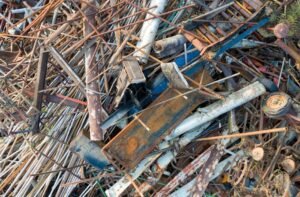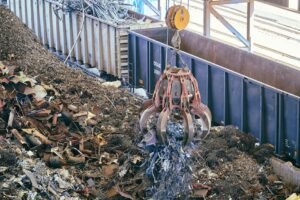

The term buyscrap refers to the process of purchasing scrap metal from suppliers, recyclers, or industrial generators. In Australia’s growing circular economy, the ability to efficiently and ethically buyscrap has become vital for foundries, smelters, construction firms, and recycling operations. Whether you’re a metal buyer sourcing feedstock or a business looking to offload industrial byproducts, understanding the full ecosystem—from identifying trusted dealers to navigating global pricing dynamics—is essential for maximizing value and sustainability.
What Does It Mean to buyscrap in Australia?
When businesses or individuals buyscrap, they are acquiring discarded metal materials for reuse in manufacturing and industrial processes. This practice forms the backbone of Australia’s metal recycling industry, which processes millions of tonnes of ferrous and non-ferrous metals annually. The act of buying scrap is not simply a transaction—it’s a strategic supply chain decision that impacts production costs, environmental compliance, and resource security.
In Australia, the scrap metal trade supports key sectors including automotive, construction, mining, and energy. Companies that buyscrap contribute directly to reducing landfill use, lowering greenhouse gas emissions, and decreasing dependence on virgin ore extraction. According to the Australian Bureau of Statistics, the recycling sector contributes over $10 billion annually to the national economy, with scrap metal accounting for a significant share.
To buyscrap effectively, buyers must understand the regulatory framework, including state-level licensing requirements and federal anti-theft laws. For example, all scrap metal traders in New South Wales must hold an Environmental Protection Authority (EPA) licence, while Victoria enforces strict record-keeping under the Metal Recycling Act 2011. These rules are designed to prevent the sale of stolen metal and ensure traceability across the supply chain.
Platforms such as Scrap.Trade have revolutionized how businesses buyscrap by digitizing the process. Through real-time listings, verified buyer networks, and transparent pricing data, the platform connects Australian sellers with domestic and international metal buyers. This digital transformation increases market efficiency and reduces the friction traditionally associated with offline negotiations.
Where to Find Trusted Scrap Buyers and Sellers
Knowing where to find reliable partners is critical when you buyscrap. The scrap metal marketplace includes a mix of independent yards, large recycling corporations, and online trading platforms. Each offers different advantages in terms of volume, location, and service quality.
Local scrap yards remain a primary source for small to medium-sized operations. These facilities often accept mixed loads and provide immediate payment. However, their pricing can vary widely based on location and market conditions. To identify trusted dealers, check for licensing, public reviews, and membership in industry associations such as the Australian Council of Recycling (ACOR) or the Bureau of Metal Recyclers (BMR).
National companies like Sims Metal, APR Energy, and Metal Manufacturers operate large-scale processing centers across Australia. They offer consistent pricing and can handle industrial volumes, making them ideal partners when you need to buyscrap in bulk. These firms also invest heavily in sorting technology and environmental compliance, ensuring high-quality feedstock.
For greater transparency and reach, digital platforms have emerged as a powerful solution. ScrapTrade Australia connects buyers and sellers through a centralized marketplace where users can list materials, compare offers, and negotiate contracts securely. This model reduces intermediaries and enables price discovery based on real market demand.
One notable success story is Scraptrade Recognises Sands Industries With The Australian Industrial Innovation Award 2025, highlighting how innovation in logistics and grading has elevated standards in the buyscrap ecosystem. Such recognition underscores the importance of reliability, consistency, and technological integration when choosing a partner.
Understanding Scrap Metal Grades and Their Value
One of the most important factors when you buyscrap is understanding metal grades. Pricing is determined not just by weight, but by purity, composition, and form. The Institute of Scrap Recycling Industries (ISRI) standards are widely used in Australia to classify materials, ensuring consistency across transactions.
Ferrous metals (those containing iron) include common types such as:
- Shredded Steel (ISRI 200) – Clean, auto-shredded material, free of contaminants
- Heavy Melting Steel (HMS 1 & 2) – Thick sections from machinery or structural steel
- Cast Iron – Higher carbon content, typically from engine blocks or pipes
- Turnings – Machined swarf, often requiring compaction due to oil content
Non-ferrous metals, which do not contain iron, command higher prices due to their conductivity, corrosion resistance, and scarcity. Key categories include:
- Copper #1 – Bare, unalloyed wire or tubing, no tarnish or coating
- Copper #2 – Slightly oxidized or soldered copper, often from electrical systems
- Aluminium Clean Extrusions – Architectural or industrial profiles, separated from mixed scrap
- Aluminium Mixed Old Cast – Lower-grade cast alloys from automotive parts
- Stainless Steel 304/316 – Used in food processing, medical, and marine applications
Accurate grading directly impacts the price you pay when you buyscrap. Contamination—even small amounts of plastic, rubber, or galvanization—can reduce the value of a load by 20% or more. Advanced sorting techniques, including eddy current separation, magnetic sorting, and XRF analyzers, are now standard at modern recycling facilities to ensure precision.
For international buyers, harmonization with global standards is crucial. The 한국 폐금속 업계를 위한 글로벌 온라인 스크랩 거래 initiative demonstrates how Australian suppliers are expanding into Asian markets by aligning grading practices with Korean import specifications. This cross-border compatibility enhances trade efficiency and builds trust between global partners.
How Pricing Works When You buyscrap
Scrap metal pricing is dynamic and influenced by a range of domestic and international factors. When you buyscrap, the price you pay reflects global commodity indices, local supply and demand, transportation costs, and processing efficiency.
The London Metal Exchange (LME) and Platts Benchmark Prices serve as primary references for non-ferrous metals like copper, aluminium, and nickel. Ferrous prices are often benchmarked against the Turkish import index, which reflects global demand for steel scrap. Australian buyers typically see prices quoted as a percentage of these benchmarks, adjusted for delivery terms and quality.
For example, if the LME copper price is USD $9,000 per tonne, a local Australian buyer might payscrap at AUD $8,200–$8,600 per tonne, depending on proximity to port, grade, and volume. Exchange rates, freight charges, and insurance (CIF vs. FOB terms) further influence final cost.
Domestically, regional imbalances affect pricing. Western Australia often sees lower prices for ferrous scrap due to limited processing infrastructure, while southeast states like Victoria and NSW offer higher liquidity and competitive bidding. Seasonal trends also play a role—demand for aluminium increases during summer due to construction activity, while end-of-year equipment upgrades generate spikes in electronic scrap supply.
Transparency in pricing has improved significantly through digital platforms. Real-time dashboards now allow buyers to monitor current rates, historical trends, and regional variances. This data-driven approach reduces information asymmetry and enables more strategic purchasing decisions when you buyscrap.
Long-term contracts with fixed pricing or index-linked adjustments are increasingly common among industrial buyers seeking stability. These agreements benefit both parties—suppliers gain predictable revenue, while buyers hedge against volatility. However, spot market purchases remain popular for flexible procurement strategies.
The Process of Buying and Recycling Scrap Metal
Once you decide to buyscrap, the process involves several key stages: sourcing, inspection, transportation, processing, and recycling. Each phase requires coordination, compliance, and quality control to ensure value and safety.
Sourcing: Begin by identifying potential suppliers through directories, trade networks, or online platforms. Verified listings reduce the risk of fraud and ensure material availability. Sellers should provide detailed descriptions, including grade, weight, and photos.
Inspection and Verification: Before finalizing a purchase, conduct a site visit or request third-party assay reports. Use handheld XRF guns to verify alloy composition, especially for stainless steel and non-ferrous grades. This step is crucial to avoid paying premium prices for substandard material.
Logistics and Transportation: Coordinate pickup or delivery based on volume and location. Large loads are typically transported via semi-trailers or rail, while smaller quantities may use flatbed trucks. Ensure carriers are licensed and insured, particularly when crossing state borders.
Processing: Upon receipt, scrap undergoes sorting, shredding, shearing, or baling depending on type and end-use. Ferrous metals are often shredded to remove contaminants and increase density for furnace feeding. Non-ferrous materials may go through granulation and separation to isolate pure streams.
Recycling: The final stage involves melting the scrap in electric arc furnaces (EAFs) or induction furnaces. Recycled steel requires about 60% less energy than producing virgin steel from iron ore. Similarly, recycling aluminium saves up to 95% of the energy needed for primary production.
The environmental impact of this process is profound. According to the CSIRO, recycling one tonne of steel saves 1.1 tonnes of iron ore, 630 kg of coal, and 55 kg of limestone. For aluminium, every tonne recycled prevents 10–12 tonnes of CO₂ emissions.
Innovative platforms like グローバル廃金属取引プラットフォームが正式サ are enabling Japanese and Australian recyclers to streamline this entire chain through integrated digital workflows, from purchase order to delivery confirmation and payment settlement.
Environmental and Economic Benefits of buyscrap
Buying and recycling scrap metal delivers significant environmental and economic advantages. As Australia aims to meet its 2030 emissions reduction targets under the Paris Agreement, the role of circular economy practices like buyscrap becomes increasingly strategic.
Environmentally, scrap recycling reduces the need for mining, which is responsible for habitat destruction, water pollution, and high carbon emissions. Metal extraction accounts for nearly 10% of global energy use and 7–8% of greenhouse gas emissions. By choosing to buyscrap, industries directly support decarbonization efforts.
Water conservation is another benefit. Primary aluminium production consumes approximately 10 cubic meters of water per tonne, while recycling uses less than 0.5 m³. Similarly, steel recycling reduces water usage by over 40% compared to virgin production.
From an economic standpoint, the buyscrap industry supports over 50,000 jobs across Australia, from collection and sorting to engineering and logistics. Regional economies benefit from localized processing facilities, which create skilled employment and reduce transport costs.
Additionally, businesses that buyscrap enhance their sustainability credentials, appealing to environmentally conscious investors and customers. Many ASX-listed companies now include recycled content metrics in their ESG (Environmental, Social, and Governance) reporting, recognizing the reputational and regulatory value of responsible sourcing.
Government policy is also aligning with these trends. The National Waste Policy Action Plan targets an 80% average resource recovery rate from all waste streams by 2030. Incentives for using recycled content in public infrastructure projects are expected to grow, further boosting demand for high-quality scrap.
Practical Tips for Successfully buyscrap in Australia
To maximize returns and minimize risk when you buyscrap, follow these expert-recommended practices:
- Verify Licenses and Compliance: Always confirm that your scrap buyer holds valid state and federal permits. Request copies of EPA licenses and check for any compliance history.
- Use Digital Platforms: Leverage tools like Scrap.Trade to access real-time pricing, connect with trusted dealers, and manage transactions securely.
- Standardize Grading: Adopt ISRI or equivalent grading standards to ensure consistency and avoid disputes over quality.
- Negotiate Terms Clearly: Define delivery schedules, payment timelines, and responsibility for freight and insurance in writing.
- Conduct Regular Audits: Perform periodic inspections of supplier sites and material quality to maintain standards.
- Diversify Suppliers: Avoid over-reliance on a single source to mitigate supply chain disruptions.
- Stay Updated on Markets: Subscribe to industry reports from ABS, CSIRO, or Platts to anticipate price movements.
- Invest in Sorting Technology: If processing internally, consider installing sensors or AI-powered sorting systems to improve yield and purity.
Finally, build long-term relationships with reliable partners. Trust, transparency, and consistent communication are the foundation of successful scrap trading. Whether you’re a small fabricator or a multinational manufacturer, integrating best practices into your buyscrap strategy will lead to better outcomes across cost, quality, and sustainability metrics.
Conclusion: The Future of buyscrap in Australia
The ability to efficiently and responsibly buyscrap is more than a procurement tactic—it is a cornerstone of Australia’s transition to a low-carbon, resource-efficient economy. As global demand for recycled metals rises and environmental regulations tighten, the importance of trusted buyers, accurate grading, and transparent pricing will only increase.
Digital innovation continues to reshape the landscape, connecting Australian suppliers with international markets and enabling real-time decision-making. Initiatives such as 한국 폐금속 업계를 위한 글로벌 온라인 스크랩 거래 and グローバル廃金属取引プラットフォームが正式サ exemplify how technology is breaking down barriers and creating new opportunities for growth.
For businesses looking to buyscrap, the path forward is clear: prioritize compliance, invest in knowledge, embrace digital tools, and partner with reputable organizations. By doing so, you not only secure valuable raw materials but also contribute to a cleaner, more sustainable future.
As the industry evolves, platforms like ScrapTrade Australia will continue to play a critical role in connecting supply with demand, fostering innovation, and setting new standards for excellence in the buyscrap ecosystem.
Frequently Asked Questions
What does it mean to buyscrap?
To buyscrap means to purchase scrap metal from suppliers, recyclers, or industrial sources for reuse in manufacturing. It involves assessing material grades, negotiating prices, and ensuring compliance with environmental and safety regulations.
Where can I find trusted scrap metal buyers in Australia?
You can find trusted scrap buyers through licensed recycling yards, national companies like Sims Metal, or verified online platforms such as ScrapTrade Australia. Always check for regulatory compliance and industry certifications.
How is scrap metal priced when you buyscrap?
Scrap metal pricing is based on global commodity markets, material grade, purity, and local supply and demand. Prices are often tied to benchmarks like the LME or Turkish import index and adjusted for transport and processing costs.
What are the environmental benefits of buyscrap?
Buying and recycling scrap metal reduces greenhouse gas emissions, conserves natural resources, and lowers energy and water consumption. Recycling one tonne of steel saves 1.1 tonnes of iron ore and significantly cuts carbon output.