
Understanding the intricacies of caboolture scrap metal recycling is essential for both industrial contractors and residential households looking to turn waste into wealth. Located in the heart of the Moreton Bay Region, Caboolture serves as a vital hub for metal recovery, bridging the gap between local industrial waste and the global circular economy. Whether you are managing demolition debris or clearing out a garage, knowing how to categorize your materials can significantly impact your bottom line. By engaging with [professional scrap metal services](https://scrap.trade), you contribute to a sustainable future while optimizing your financial returns.
The Fundamentals of Caboolture Scrap Metal Recycling
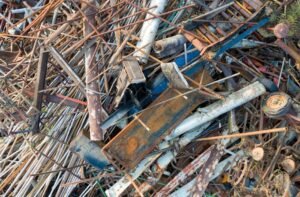
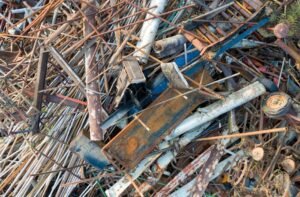
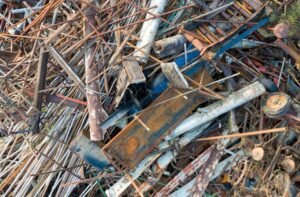
At its core, the industry is divided into two primary categories: ferrous and non-ferrous metals. Ferrous metals, such as iron and steel, are magnetic and represent the bulk of the volume in the recycling stream. Non-ferrous metals, including copper, aluminum, brass, and lead, are highly valuable due to their resistance to corrosion and their infinite recyclability. When you approach Scrap Metal Recycling Near Me, the yard will first test your materials using magnets and visual inspection to determine the grade.
The process of recycling scrap metal is a sophisticated operation. Once collected, metals are shredded, sorted via eddy current separators or magnetic pulleys, and then melted in blast furnaces or electric arc furnaces. This transformation allows the material to be reused in manufacturing without any loss in quality. For those looking to Sell Scrap Metal Near Me In 2026, staying informed about current market trends is vital. Prices fluctuate based on the London Metal Exchange (LME), and local yards in Caboolture adjust their rates accordingly. Understanding the difference between a Scrap Trading Vs Recycling Business can also help you choose the right partner, as some entities focus on bulk wholesale arbitrage while others provide comprehensive site cleanup and processing services.
Understanding Metal Grades and Classifications
To maximize your profit, you must understand how to grade your scrap. Not all aluminum is created equal, and not all copper is priced the same. In the context of Australian metal recycling standards, grading is the language of the trade.
- Copper: The gold standard of the scrap world. “Bright and Shiny” (Grade 1) is bare, unalloyed copper wire, while “Copper Tubing” (Grade 2) may have slight oxidation or solder.
- Aluminum: Usually categorized as “Extrusion” (window frames), “Cast” (engine blocks), or “Sheet” (siding). Cleanliness is key; removing steel bolts or plastic attachments increases the grade value.
- Brass: Often found in plumbing fixtures and valves. It is a copper-zinc alloy that remains highly sought after for its durability.
- Stainless Steel: Contains chromium and nickel. It is non-magnetic and highly valuable. Ensure it is free of contaminants like wood or concrete.
- Ferrous Metals: Categorized by thickness and size. “Heavy Melting Steel” (HMS) is denser and more valuable than light, thin “Sheet Iron.”
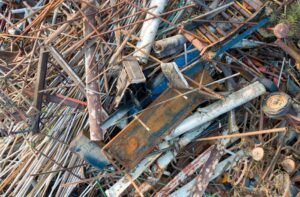
When you focus on metal recycling scrap, cleanliness is your best friend. Contamination—such as plastic, rubber, or glass—can downgrade a load from high-value to “mixed scrap,” which fetches a significantly lower price. Always aim to strip wires and remove non-metallic fittings before arriving at the yard.
The Environmental Impact of Metal Recovery
The environmental case for caboolture scrap metal recycling is undeniable. Mining for virgin ore is an energy-intensive and ecologically destructive process that involves massive land clearing, water usage, and greenhouse gas emissions. By contrast, recycling aluminum saves approximately 95% of the energy required to produce the same amount from bauxite ore.
Furthermore, the scrap metal industry acts as a massive carbon sink. By diverting thousands of tonnes of metal from landfills, the industry prevents soil and groundwater contamination caused by heavy metals leaching into the environment. In the Caboolture region, local initiatives are increasingly focusing on circular economy principles, where waste is viewed as a resource rather than a liability. This shift not only preserves local biodiversity but also reduces the carbon footprint of manufacturing sectors that rely on recycled inputs.
How the Recycling Process Works
The journey of a piece of scrap metal from your property to a new product is a multi-stage logistical feat. It begins with the collection, where scrap is consolidated at a local facility. Once a sufficient volume is reached, the material undergoes a rigorous sorting process. Advanced technology, such as X-ray fluorescence (XRF) analyzers, is used to determine the exact chemical composition of alloys.
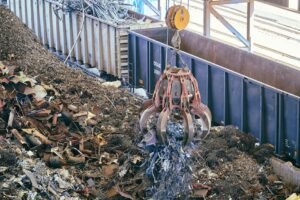
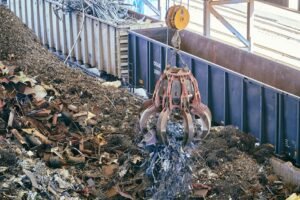
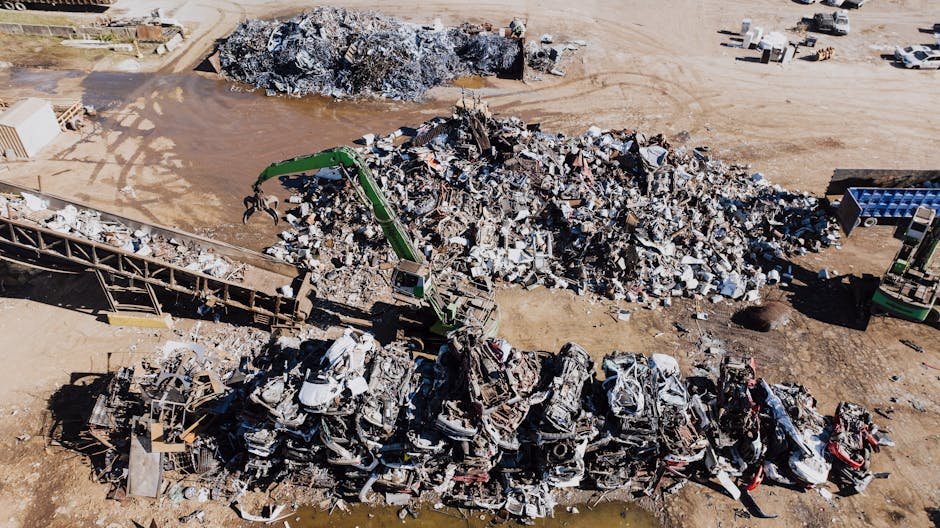
After sorting, the material is processed into a furnace-ready state. This often involves shearing (cutting large pieces into smaller, manageable sizes), baling (compressing light materials into dense cubes for efficient transport), or shredding (breaking down complex items like cars into small, sorted fragments). The final product is then sold to smelters and refineries, which cast the metal into ingots or billets for use in automotive, construction, and aerospace manufacturing. This closed-loop system is the backbone of modern industrial sustainability.
Navigating the Local Market in Caboolture
Caboolture is strategically positioned to benefit from the industrial growth of the Moreton Bay corridor. If you are a tradesperson or a business owner, setting up a consistent scrap management plan is a smart financial move. Instead of paying for skip bins to haul away metal waste, you can often arrange for a scrap dealer to provide a bin for free, provided it is filled with recyclable metals. This turns a cost center into a revenue stream.
When selecting a partner, look for transparency in weighing and pricing. A reputable yard will have calibrated scales that are visible to the customer. They will also provide detailed dockets that outline the weight and grade of each item. If you are dealing with large volumes, inquire about logistics support, such as crane trucks or flatbed pickups. Consistency is the key to building a long-term relationship with a scrap yard, which can lead to better pricing tiers and priority service during busy periods.
Practical Tips for Maximizing Scrap Value
To ensure you get the best return on your caboolture scrap metal recycling efforts, follow these expert tips:
- Sort at the Source: Don’t wait until you get to the yard to sort your metals. Keep copper, brass, aluminum, and steel in separate containers from the start.
- Strip Your Wires: While it takes time, removing the plastic insulation from copper wire can significantly increase its value. Ensure you have the right tools to do this safely.
- Remove Non-Metal Attachments: A steel radiator with plastic end-caps is worth less than a clean steel radiator. Take a few minutes to clean your items.
- Monitor Market Trends: Metal prices fluctuate. If you have a large amount of storage space, you might choose to hold onto your scrap until prices peak.
- Safety First: Scrap metal can be sharp and heavy. Always wear appropriate PPE, including thick gloves and steel-toed boots, when handling materials.
By treating your scrap like a commodity, you shift your mindset from “getting rid of junk” to “selling raw materials.” This professional approach is what separates casual recyclers from those who generate significant supplemental income from their waste management.
Future Trends in the Metal Recycling Industry
The future of the industry is being shaped by digitalization and automation. We are seeing the rise of smart yards that use AI-driven cameras to identify and grade scrap in real-time. Furthermore, as the world transitions to electric vehicles (EVs) and renewable energy, the demand for metals like lithium, cobalt, and high-grade copper is skyrocketing. This will create new opportunities for specialized recycling, particularly in the recovery of battery components and electronic waste.
For those in Caboolture, keeping an eye on these technological shifts is important. As local businesses integrate more sustainable practices, the demand for recycled materials will only increase. By participating in the local recycling ecosystem today, you are positioning yourself at the forefront of a global shift toward a more resource-efficient economy.
Conclusion: Your Role in the Circular Economy
The importance of caboolture scrap metal recycling extends far beyond the individual transaction. It is a critical component of a global effort to conserve natural resources and reduce the environmental impact of industrialization. Whether you are a small-scale recycler or an industrial operation, every kilogram of metal diverted from landfill and returned to the production cycle makes a difference.
By choosing to recycle, you are supporting local jobs, reducing energy consumption, and contributing to a cleaner, more sustainable future. We encourage you to reach out to local experts, stay informed about market conditions, and take a proactive approach to managing your metal waste. The value in your scrap is waiting to be realized—start by sorting your materials today and turning your waste into a valuable asset for both your pocket and the planet.
Frequently Asked Questions
What is the most valuable metal to recycle in Caboolture?
Copper is consistently the most valuable common scrap metal due to its high demand in electrical and plumbing applications. Other high-value metals include brass and stainless steel.
Do I need to clean my scrap metal before bringing it to a yard?
Yes, cleaning your scrap by removing non-metallic contaminants like plastic, wood, or rubber will significantly increase the grade and the price you receive. Clean, sorted metal is always preferred by recyclers.
How do scrap metal prices change?
Prices are primarily determined by the London Metal Exchange (LME) and are influenced by global supply and demand, currency exchange rates, and the cost of energy. Local yards adjust their buy prices based on these international benchmarks.
Can I recycle household appliances?
Yes, most household appliances like washing machines, dryers, and ovens are primarily made of steel and aluminum, which are highly recyclable. Ensure you remove any non-metal components like glass or plastic to maximize the value.