
When searching for reliable canning vale metal recyclers, it is vital to understand the full lifecycle of the materials you handle. Whether you are a commercial contractor clearing a site or a homeowner with a garage full of copper wiring, choosing the right facility ensures that your scrap is handled efficiently, legally, and profitably. As the industrial landscape of Western Australia continues to evolve, the importance of professional recycling services has never been higher. By engaging with reputable local experts, you contribute to a sustainable future while potentially generating a significant return on your scrap metal assets.
The Professional Recycling Process: From Scrap to Resource
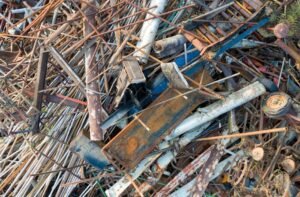
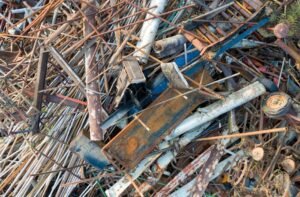
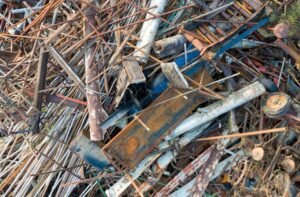
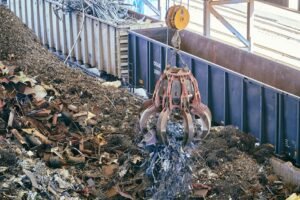
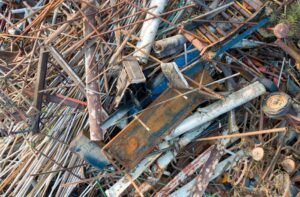
The journey of a piece of scrap metal begins long before it reaches the furnace. At modern canning vale metal recyclers, the process is a highly engineered operation designed to maximize purity and minimize energy expenditure. The first stage is collection and sorting. Scrap arrives in various states—mixed, contaminated, or bundled. Professionals use advanced technology, including X-ray fluorescence (XRF) analyzers and magnetic separation, to distinguish between ferrous metals (like steel and iron) and non-ferrous metals (like copper, aluminum, and brass).
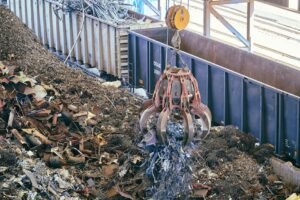
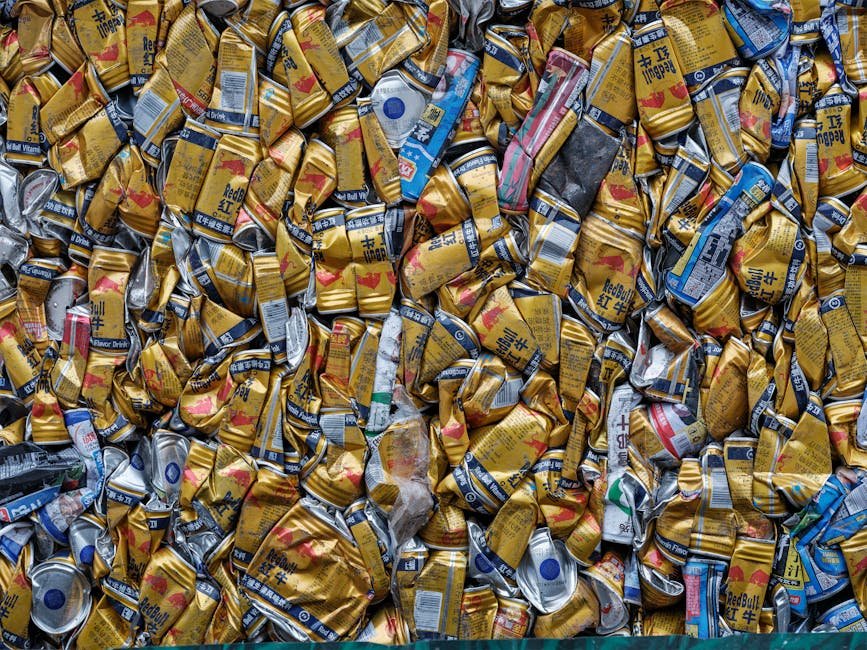
Once sorted, the metal undergoes a densification process. Large industrial shears and balers compress the metal into manageable bricks, which are easier to transport and feed into smelters. For complex items like electronics or automotive parts, shredding is employed to separate plastics and rubbers from the metallic components. This meticulous process ensures that the raw material produced is of the highest possible grade, ready to be sold to manufacturers who need high-quality feedstock for new products. If you are wondering about the current value of these materials, you can check the latest Scrap Metal Prices to understand how market fluctuations impact your bottom line.
The efficiency of this process is what differentiates a top-tier facility from a basic scrap yard. By refining the material on-site, recyclers reduce the need for raw mining, which is an energy-intensive and environmentally destructive process. This is the core of the circular economy: keeping materials in use for as long as possible. For those looking to maximize their returns, it is essential to keep your materials clean and separated before heading to the facility. You can find more information on how to prepare your goods at the Scrap Trade industry hub.
Drop-Off vs. Pickup: Choosing the Right Logistics
One of the most common questions for those dealing with scrap is whether to utilize a drop-off service or request a collection. When working with canning vale metal recyclers, your choice should depend on the volume, weight, and nature of your scrap. A drop-off is ideal for smaller loads, such as a boot-load of copper piping or aluminum cans. It allows you to visit the facility, get your material weighed, and receive payment on the spot. It is the fastest way to turn your clutter into cash.
Conversely, a pickup service is the industry standard for large-scale operations, such as construction sites, demolition projects, or heavy industrial manufacturing plants. Professional recyclers will deploy specialized trucks, including skip bins or flatbeds with cranes, to collect your scrap. This not only saves you the logistical headache of transporting heavy, hazardous, or bulky materials but also ensures that compliance standards are met during transit. For businesses, scheduling regular pickups is a strategic move to keep sites clean and safe.
If you are a business owner or a project manager, you should evaluate the cost-benefit of a pickup service versus the time saved by having the recycler handle the logistics. Often, the value of the scrap metal can offset the cost of the pickup, making it a neutral or even profitable service. For those interested in finding local partners to manage these logistics, you can explore options to Scrap Metal Recycling Near Me to find providers that offer dedicated commercial collection routes in your area.
Environmental Impact and Your Carbon Footprint
The environmental benefit of recycling metal is profound. Every tonne of recycled aluminum, for instance, saves approximately 95% of the energy required to produce the same amount of aluminum from raw bauxite ore. By choosing to work with responsible canning vale metal recyclers, you are directly participating in a significant reduction of the global carbon footprint. Mining, refining, and smelting virgin ore are among the most carbon-intensive activities on the planet. By substituting recycled materials, we drastically lower greenhouse gas emissions and preserve natural habitats that would otherwise be destroyed by mining operations.
Furthermore, recycling prevents hazardous materials from leaching into the soil and groundwater. Old appliances, batteries, and electronic waste often contain heavy metals like lead, mercury, and cadmium. When these are dumped in landfills, they pose a long-term threat to local ecosystems. Professional recyclers have the infrastructure to safely extract these toxins and process the remaining metals, ensuring that nothing is wasted and nothing is left to pollute the environment. This commitment to sustainability is a key pillar of the Scrap Trade Australia portal, which advocates for better environmental stewardship across the industry.
Beyond the direct environmental impact, there is the issue of resource scarcity. Metals are finite resources. As global demand increases, the pressure on virgin sources grows. Recycling acts as an “urban mine,” allowing us to recover metals that have already been extracted and refined. This is not just an environmental necessity; it is an economic imperative for the future of manufacturing. By supporting local recycling infrastructure, you are helping to build a more resilient and self-sufficient economy.
How to Get the Best Value for Your Scrap
Maximizing the return on your scrap metal requires a bit of strategy. First and foremost, separation is key. If you bring a mixed bin of steel, copper, and aluminum, you will likely receive a lower, mixed-scrap rate. By taking the time to separate your non-ferrous metals from your ferrous metals, you can command higher prices for the premium materials like copper, brass, and stainless steel. Additionally, ensure that your scrap is free from non-metallic contaminants. Dirt, plastic, wood, and concrete add weight but no value, and many recyclers will deduct these contaminants from the total weight before calculating your payment.
Timing also plays a role. Just like stocks or commodities, scrap prices fluctuate based on global demand, currency exchange rates, and industrial output. While you cannot always time the market perfectly, keeping an eye on industry trends can help you decide when it is the best time to clear out your storage. If you are planning a major cleanup or demolition project, it is worth reaching out to your chosen recycler to ask about current market conditions. For those ready to offload their materials, you can see how to Sell Scrap Metal Near Me In 2026 to ensure you are using the most current and effective methods for liquidation.
Finally, build a relationship with your recycler. If you are a recurring customer, whether you are a tradesperson or a business, you may be eligible for better pricing, priority pickup services, or customized waste management plans. Consistency is rewarded in this industry. When you find a partner you trust, stick with them. They will understand your specific needs, the types of metal you generate, and the best way to handle your logistics, making the entire recycling process smoother for everyone involved.
Navigating the Local Market: Finding the Right Partner
The Canning Vale area is a hub for industrial activity, which means there is no shortage of options for scrap disposal. However, not all facilities are created equal. When selecting a partner, look for transparency in their weighing and grading processes. A reputable recycler will use calibrated, certified scales and will be happy to explain how they determine the value of your load. They should also be able to provide documentation for your scrap, which is particularly important for businesses that need to maintain environmental compliance records.
You should also consider the facility’s safety standards. A professional recycling centre will have clear signage, designated drop-off zones, and strict safety protocols for both staff and visitors. If a site looks disorganized or lacks basic safety equipment, it is a red flag. Furthermore, check their credentials. Are they members of relevant industry associations? Do they have the necessary environmental permits to handle hazardous materials? These are indicators of a business that takes its obligations seriously.
For those specifically looking for reputable services, you can search for metal recyclers canning vale to see a list of verified operators. Alternatively, if you need a provider that specializes in specific types of industrial scrap, you might find more tailored results by looking for scrap metal recyclers canning vale. These platforms often provide reviews and service descriptions that can help you make an informed decision based on the experiences of other local businesses and residents.
The Future of Metal Recycling in Australia
The industry is currently undergoing a digital transformation. We are seeing the rise of smart recycling, where sensors and AI-driven sorting systems are increasing the speed and accuracy of material recovery. This means that even complex scrap, which was previously considered too difficult to recycle, is now becoming a viable commodity. As we look toward 2026 and beyond, the integration of blockchain technology for material tracking will likely become standard, allowing companies to prove the origin and recycled content of their metals. This is a massive shift toward full transparency in the supply chain.
Furthermore, the government is increasingly focusing on the “circular economy” as a national priority. This includes potential incentives for businesses that utilize recycled materials and stricter regulations on waste management. For those in the scrap industry, this is a golden era. The demand for recycled metal is at an all-time high, driven by the global transition to renewable energy—which requires vast amounts of copper and aluminum for wind turbines, solar panels, and electric vehicle batteries. The role of the local recycler has never been more critical to the global supply chain.
By participating in this ecosystem, you are not just cleaning up your backyard; you are contributing to a massive, global effort to decarbonize the planet and secure the raw materials needed for the next century of innovation. Whether you are a small-scale recycler or a large industrial entity, your actions have a measurable impact. Continue to educate yourself on best practices, keep your materials clean, and stay connected with the professional recycling community to ensure you are getting the most out of your scrap metal assets.
Practical Tips for Managing Your Scrap Metal
- Cleanliness is Profit: Always remove non-metal attachments like rubber seals, plastic handles, or glass before bringing in your scrap. Clean metal is worth significantly more than dirty, mixed material.
- Sort at the Source: Don’t wait until you get to the recycling centre to sort your materials. Use separate bins or bags for copper, brass, aluminum, and steel. This saves time and ensures you get the correct price for each grade.
- Safety First: Metal can be sharp and heavy. Always wear appropriate PPE, including gloves and steel-toed boots, when handling scrap. If you are unsure about the safety of an item, ask the recycler before attempting to move it.
- Know Your Metals: Learn to identify different metals using simple tools like a magnet. If a magnet sticks to it, it is likely ferrous (steel or iron). If it doesn’t, it is likely a non-ferrous metal (copper, aluminum, brass), which usually commands a higher price.
- Keep Records: For business owners, keep a record of all your scrap sales. This helps in tracking your waste management costs and can be useful for tax purposes or environmental reporting.
- Plan Your Logistics: If you have a large volume of scrap, call ahead to the recycler to discuss the best time for drop-off or to schedule a pickup service. This ensures they have the space and equipment ready to handle your load efficiently.
Frequently Asked Questions
What is the difference between ferrous and non-ferrous metals?
Ferrous metals contain iron and are magnetic, such as steel and iron. Non-ferrous metals, like copper, aluminum, and brass, do not contain iron, are non-magnetic, and generally have a higher market value.
How do I know if my scrap metal is worth money?
Almost all metals have value, but the price depends on the type, purity, and current market demand. You can check current price lists online or contact a local recycler to get an estimate based on the material you have.
Can I get a pickup service for my scrap metal?
Yes, many professional recyclers offer pickup services for large quantities of scrap. It is best to contact the facility directly to discuss the volume and type of material to see if you qualify for a free or scheduled collection.
What items are commonly accepted by metal recyclers?
Recyclers typically accept copper wiring, aluminum cans, brass fittings, stainless steel, lead batteries, and various automotive parts. Always call ahead if you have large or unusual items to ensure they have the capacity to process them.