
Understanding canning vale scrap metal prices is crucial for anyone looking to turn unwanted metal into cash or responsibly recycle materials. The value of your scrap isn’t arbitrary; it’s a reflection of a complex, global market influenced by everything from international demand to local supply. This comprehensive guide will demystify how prices are set, break down the different grades of scrap metal, explain the recycling process from collection to rebirth, and highlight the significant environmental benefits of choosing to recycle. Whether you’re a tradesman with regular off-cuts, a business with end-of-life equipment, or a homeowner clearing out the garage, this knowledge will empower you to get the best possible return for your materials.
How Scrap Metal Prices Are Determined
The current scrap prices you are quoted at a yard in Canning Vale are not set in isolation. They are deeply connected to the international commodities market. Essentially, when you sell scrap metal in Perth, you are participating in a global economy. The primary driver is the market rate set on major exchanges like the London Metal Exchange (LME) and the New York Mercantile Exchange (COMEX). These exchanges publish the daily value for virgin (new) metals like copper, aluminium, steel, nickel, and lead. Scrap yards use these benchmark prices as a starting point and then apply a discount. This discount accounts for the cost of processing the scrap back into a pure, usable form.
For a detailed breakdown of these foundational prices, our dedicated page on Scrap Metal Prices provides an in-depth look.
Key Factors Affecting Your Scrap Metal Quote
While the LME provides the baseline, several specific factors will determine the final price per kg offered for your load. Understanding these will help you prepare your scrap to maximise its value.
- Metal Type and Grade: This is the most significant factor. Non-ferrous metals (metals without iron) like copper, brass, aluminium, and stainless steel are always worth significantly more than ferrous metals (iron and steel). Within non-ferrous categories, there are further grades based on purity and composition.
- Contamination and Preparation: Clean, segregated metal is worth more. Steel free of attachments, copper wire without insulation, and aluminium without other materials mixed in will fetch a higher price per tonne. A load contaminated with dirt, plastic, rubber, or other metals will be downgraded or potentially rejected.
- Weight and Volume: Larger quantities generally command better rates. While you’ll get a price per kg, bringing in a truckload versus a single car boot load can improve the overall offer due to economies of scale for the yard.
- Local Market Conditions: The number of scrapyards in the Canning Vale and greater Perth area affects competition. Furthermore, local industrial activity can create direct demand for specific scrap metals, temporarily boosting metal prices today.
- Global Economic Factors: International manufacturing demand, geopolitical events, trade policies, and currency exchange rates (particularly the AUD/USD) all cause daily fluctuations in the market rate.
To see how these factors play out in your immediate area, use our tool to find Scrap Metal Prices Near Me.
A Detailed Breakdown of Scrap Metal Grades
Knowing how to identify your metals is the key to getting an accurate quote. Yards classify metals into two main categories, each with sub-grades.
Ferrous Metals (Iron and Steel)
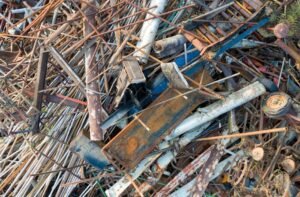
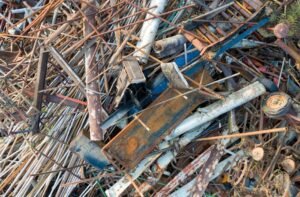
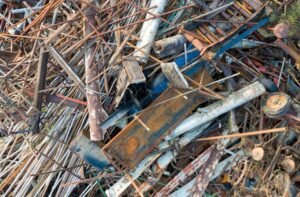
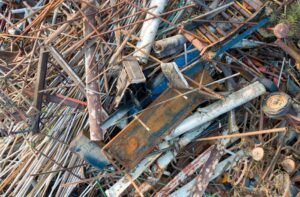
This category is magnetic and includes cast iron, sheet metal, structural steel (rebar, I-beams), and old cars. It is the most common but least valuable type of scrap by weight. It is typically bought and sold by the tonne. Prices for ferrous scrap are more stable but lower than non-ferrous.
Non-Ferrous Metals (Higher Value)
These metals are not magnetic and are highly sought after. Common types found in Canning Vale include:
- Copper: The king of scrap metal. #1 Bright Bare Wire is the cleanest and most valuable. #2 Copper includes light oxidation or solder. Copper piping and tubing are also high-value items.
- Aluminium: Commonly found in extrusions (window frames), cast (engine parts), sheet (gutters), and clean foil. Beverage cans are a separate, lower-grade category but are recycled in massive volumes.
- Brass: A yellow-coloured alloy of copper and zinc. Found in plumbing fittings, taps, keys, and ammunition casings. Red brass is more valuable than yellow brass.
- Stainless Steel: A valuable exception to the ferrous rule. While it contains iron, its high chromium and nickel content make it non-magnetic and corrosion-resistant. It is found in kitchen appliances, sinks, and commercial equipment. 304 grade is more common and valuable than 400 series.
- Lead: Heavy and soft, often found in wheel weights, roofing flashings, and old batteries (which are recycled separately).
- Wire and Cable: Value depends on the percentage of copper inside versus the plastic insulation. Cleaned wire is worth much more than insulated.
For the most current and specific scrap metal canning vale prices for these grades, always check our live updates.
The Scrap Metal Recycling Process: From Waste to Resource
Once you sell your metal to a yard in Canning Vale, it embarks on an incredible journey of transformation. The process is a sophisticated industrial operation designed for maximum efficiency and recovery.
- Collection and Weigh-In: You bring your scrap to the yard, where it is weighed on a large industrial scale. This establishes the gross weight.
- Sorting and Grading: Experienced workers sort the material by type and grade. Magnets are used to separate ferrous from non-ferrous metals. This is a critical step that determines the value of the entire load.
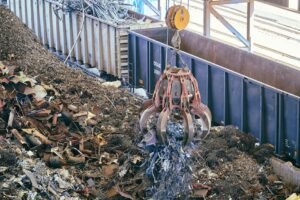
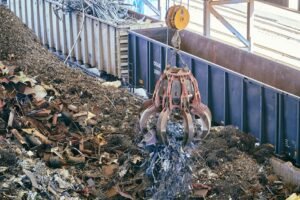
- Processing: To prepare for melting, large pieces are often sheared or shredded into smaller, more uniform chunks. This increases the efficiency of the melting process.
- Melting and Purification: Sorted metals are sent to large furnaces, each designed for a specific metal type. They are melted down into liquid form. During this process, impurities rise to the surface as slag and are removed, resulting in a pure molten metal.
- Solidification and Transport: The pure molten metal is poured into moulds to form ingots, bars, or billets. These standardized blocks of metal are then sold to manufacturers.
- Manufacturing of New Products: Manufacturers use these recycled metal ingots to create brand new products. Recycled aluminium becomes new drink cans or car parts, recycled steel becomes new construction beams, and recycled copper becomes new electrical wiring. The cycle is complete.
This entire process uses significantly less energy than mining and refining virgin ore from the ground, which is the core of its environmental benefit.
The Significant Environmental Benefits of Scrap Recycling
Selling your scrap metal in Canning Vale isn’t just a financial transaction; it’s a direct positive action for the planet. The environmental advantages are profound and multi-faceted.
- Energy Conservation: Recycling metal requires up to 95% less energy than producing metal from virgin ore. For example, recycling one aluminium can saves enough energy to power a TV for three hours.
- Conservation of Natural Resources: Metal mining is incredibly destructive, involving massive open-pit mines, habitat destruction, and soil erosion. Recycling reduces the need for this mining, preserving landscapes and natural ecosystems.
- Reduction in Greenhouse Gas Emissions: The massive energy savings directly translate into significantly lower carbon dioxide and other greenhouse gas emissions compared to primary metal production. The scrap metal industry is a major player in the fight against climate change.
- Landfill Diversion:
Metal is permanent; it does not biodegrade. Recycling keeps millions of tonnes of metal out of landfills every year, extending their lifespan and preventing soil and water contamination from metals that can leach chemicals over time.
By choosing to recycle, you are actively contributing to a circular economy where materials are kept in use for as long as possible, extracting their maximum value.
How to Get the Best Canning Vale Scrap Metal Prices
To ensure you receive the best possible current scrap prices for your materials, follow these practical tips:
- Sort and Separate: Your time spent sorting metals by type and removing contaminants (plastic, rubber, glass, dirt) is an investment that will pay off with a higher quote. A load of mixed metals will be paid at the rate of the lowest-value metal in the pile.
- Know Your Metals: Learn to identify the basic types. Use a magnet—if it sticks, it’s ferrous (steel/iron, lower value). If it doesn’t, it’s non-ferrous (higher value).
- Accumulate Volume: Instead of making multiple trips with small amounts, store your scrap until you have a larger quantity. Yards often offer better rates for larger loads.
- Call Ahead: Metal prices today can change. Before you load your vehicle, call several yards in the Canning Vale area for their current rates. This allows you to compare and choose the best offer.
- Build a Relationship: If you generate scrap regularly, building a relationship with a specific yard can be beneficial. They may offer you more consistent and reliable pricing.
For businesses dealing with large volumes, understanding the global market is key. Our guide on How To Negotiate Scrap Metal Prices Internationally offers advanced insights.
Conclusion: Your Role in the Circular Economy
Understanding canning vale scrap metal prices empowers you to make informed decisions, whether you’re looking to earn extra cash or manage waste responsibly. The price you see is a snapshot of a dynamic global market, filtered through local demand and the quality of your material. By taking the time to sort your scrap and choose a reputable yard, you maximize your return. More importantly, you become a vital link in the circular economy, directly contributing to massive energy savings, reduced mining, and a healthier environment for Western Australia and the world. The next time you have scrap metal, remember its hidden value isn’t just monetary—it’s environmental. To get started, check the latest scrap metal prices canning vale offers and turn your unused metal into a resource.
For the most reliable and transparent service in the area, consider Scrap Trade, a leading platform dedicated to fair pricing and efficient recycling. And for the most up-to-date local listings, always refer to our page on scrap metal canning vale prices.
Frequently Asked Questions
What is the current price per kg for scrap copper in Canning Vale?
The price for scrap copper in Canning Vale changes daily based on the London Metal Exchange. As a guide, clean #1 copper wire is typically one of the highest-value items. For the most accurate, real-time quote, you must contact local scrap yards directly, as prices can vary between yards based on their inventory and needs.
How often do scrap metal prices change?
Scrap metal prices can change daily, and sometimes even multiple times within a single day. They are directly tied to global commodities markets, which react to international demand, currency fluctuations, geopolitical events, and economic data. It’s always best to call a yard on the day you plan to sell for the current rate.
Do I need to separate my scrap metal before taking it to a yard?
Yes, absolutely. Separating your metals by type (e.g., copper, aluminium, steel) and ensuring they are clean (free of plastic, rubber, and other contaminants) is the single best way to maximise your payout. A mixed load will be classified as the lowest-grade metal present and paid at a much lower rate.
Why is recycling scrap metal better for the environment?
Recycling metal conserves natural resources by reducing the need for destructive mining operations. It also saves enormous amounts of energy—recycling aluminium uses 95% less energy than producing it from raw materials. This significantly reduces greenhouse gas emissions and prevents metal waste from ending up in landfills.