Understanding the ins and outs of cash 4 scrap is essential for anyone looking to turn unwanted metal items into a profitable side income while contributing to a circular economy. Whether you are a tradesperson clearing a job site or a homeowner cleaning out the garage, knowing how to identify, sort, and process your materials is the difference between a small payout and a significant return. As the industry evolves, the demand for high-quality, recycled metals continues to grow, making this the perfect time to familiarize yourself with the Complete Guide to Scrap for Cash: Recycling and Metal Valuation.
Understanding Metal Grades and Classification
The foundation of any successful scrap metal venture is the ability to distinguish between different types of metals. Metals are generally categorized into two primary groups: ferrous and non-ferrous. Ferrous metals contain iron and are magnetic, while non-ferrous metals do not contain iron and are generally more valuable due to their resistance to corrosion and their infinite recyclability.
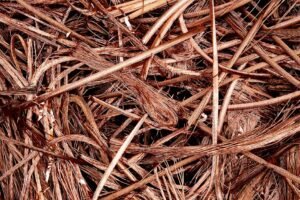
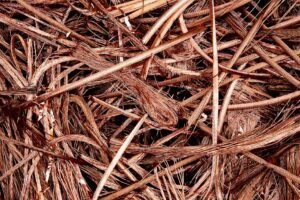
When you prepare to Sell Scrap, you must understand that purity is everything. Non-ferrous metals like copper, aluminium, brass, and lead are highly sought after. For instance, clean, bare bright copper wire will always command a higher price than copper wire still encased in plastic insulation. Similarly, aluminium is graded based on its alloy type—cast aluminium, extrusion, or sheet—each having a distinct value in the global market.
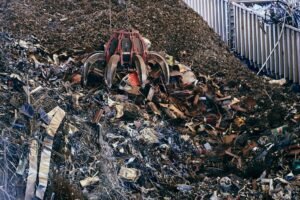
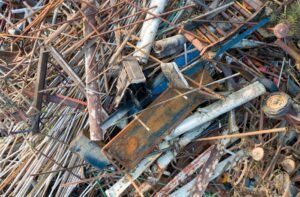
Ferrous metals, such as steel and iron, are typically sold in larger volumes. While the price per kilogram is lower than non-ferrous metals, the sheer weight of these materials makes them a staple for many scrap yards. If you are dealing with industrial quantities, you might consider reaching out to Gmr Scrap to discuss bulk collection options. Always remember that removing non-metallic attachments like plastic, rubber, or wood from your Scrap will significantly increase the purity grade and, consequently, your payout.
The Science of Metal Recycling
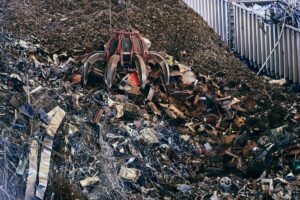
The process of recycling metal is a sophisticated operation that transforms discarded items into high-value raw materials. Once your metal reaches the facility, it undergoes a rigorous sorting process. Advanced technology, including X-ray fluorescence (XRF) analyzers and magnetic separators, is used to ensure that metals are sorted with extreme precision. This is crucial because even a small amount of contamination can ruin an entire batch of molten metal.
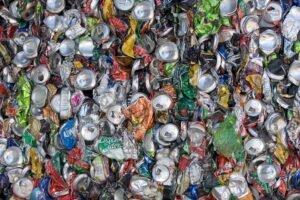
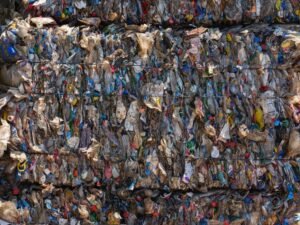
After sorting, the metal is shredded or sheared into smaller, manageable pieces to increase its density. This makes transport more efficient and prepares the material for the melting furnace. During the melting process, the metal is heated to its specific melting point, purified of impurities, and cast into ingots or billets. These ingots are then sold to manufacturers to create everything from new car parts and construction beams to beverage cans and electronics.
By participating in this cycle, you are directly reducing the need for virgin ore extraction. Mining for new metal is an energy-intensive process that causes significant environmental destruction. By choosing to recycle, you are helping to conserve natural resources and reduce the carbon footprint associated with industrial manufacturing. For more information on how to participate in these sustainable practices, visit Scraptrade.com.au for local service options.
Environmental and Economic Benefits
The environmental impact of metal recycling cannot be overstated. When we recycle steel, for example, we use approximately 75% less energy than producing it from raw iron ore. This energy saving translates into a massive reduction in greenhouse gas emissions. Furthermore, recycling prevents millions of tonnes of metal from ending up in landfills, where they would occupy valuable space and potentially leach harmful chemicals into the soil and groundwater.
Beyond the environment, the cash 4 scrap industry provides a vital economic stimulus. It supports thousands of jobs in collection, processing, and transportation. For the individual, it provides a practical way to recover value from items that would otherwise be considered waste. As the global economy shifts toward sustainability, the value of recycled metal is expected to remain high, ensuring that your efforts in sorting and recycling remain a smart financial decision.
To maximize your returns, keep track of market fluctuations. Prices for scrap metal are tied to global commodity markets, meaning they can change daily. Building a relationship with a trusted scrap yard allows you to stay informed about price trends and timing your sales when the market is peaking. Always ensure that your scrap is clean, sorted, and free of hazardous materials to ensure the fastest processing time at the scales.
Best Practices for Safety and Efficiency
Safety should always be your top priority when handling scrap metal. Many items, particularly those from industrial or construction sites, can have sharp edges, heavy components, or hidden hazards. Always wear appropriate personal protective equipment (PPE), including heavy-duty gloves, steel-toed boots, and high-visibility clothing. If you are dismantling large structures, ensure you have the proper tools and training to prevent accidents.
Efficiency is also key to maximizing your profit. Consider setting up a dedicated area for your scrap collection where you can keep different metals separated from the start. This prevents cross-contamination and saves you hours of work when it comes time to load your vehicle. If you are handling large volumes, invest in a reliable scale so you can estimate the weight of your loads before you arrive at the yard. This transparency helps you verify the weights provided by the facility and ensures you are getting a fair deal.
Finally, stay informed about local regulations regarding the transport and sale of scrap metal. Many regions have implemented strict laws to prevent the sale of stolen goods, which may require you to provide identification and documentation for certain types of scrap. By operating transparently and professionally, you ensure a smooth experience and build a reputation as a reliable supplier, which can lead to better pricing and service over the long term.
Frequently Asked Questions
What is the difference between ferrous and non-ferrous metals?
Ferrous metals contain iron, are magnetic, and are generally lower in value. Non-ferrous metals do not contain iron, are non-magnetic, and are typically more valuable due to their durability and recyclability.
How can I get the best price for my scrap metal?
To get the best price, ensure your metal is clean and free of contaminants like plastic, wood, or dirt. Sorting your metals by type before arriving at the yard will also ensure you are paid the correct rate for each grade.
Is it safe to scrap items from old electronics?
Yes, but you must be careful. Electronics contain precious metals like gold and copper, but they also contain hazardous materials like lead and mercury, so they should be handled with care and processed at certified facilities.
Why do scrap metal prices change so often?
Scrap metal prices are linked to global commodity markets. Factors such as supply and demand, manufacturing activity, and international trade policies all influence the daily market rates for various metals.