
If you are searching for reliable cash for cars sydney services, you have come to the right place. Navigating the process of disposing of an old, damaged, or non-functional vehicle can be complex, but understanding the local market in New South Wales is the first step toward getting the best value. Whether your vehicle is a rusted-out shell or a newer model that has suffered mechanical failure, professional wreckers in Greater Sydney offer a streamlined solution to turn your liability into an asset.
The Economics of End-of-Life Vehicles in New South Wales
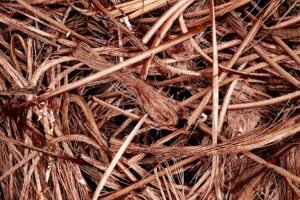
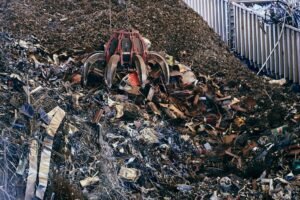
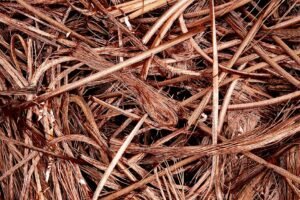
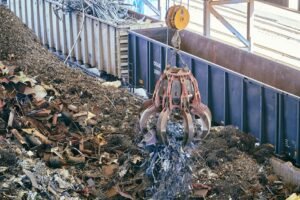
In New South Wales, the management of an end-of-life vehicle (ELV) is a significant environmental and economic activity. When a car reaches the end of its road-worthy life, it doesn’t simply disappear; it enters a specialized circular economy. The process of vehicle recycling is vital for reducing the environmental footprint of the automotive industry. By extracting valuable materials like steel, aluminium, copper, and precious metals from catalytic converters, we reduce the need for raw material mining.
For residents across Greater Sydney, choosing a reputable service provider is essential. When you engage with a professional, you are not just getting rid of a car; you are participating in a system that prioritizes sustainability. The value of your car is determined by its weight, the current market price of scrap metal, and the demand for reusable auto parts. Often, specific components like alternators, starter motors, and body panels hold significant value beyond the raw metal content. If you are looking to understand the broader market, our professional scrap metal trading platform provides the data you need to make informed decisions.
Many people ask, “Is it worth repairing or wrecking?” The answer lies in the cost-to-value ratio. If your vehicle requires expensive repairs that exceed its market value, it is classified as an ELV. At this stage, professional car wreckers become your best option. They have the infrastructure to safely drain fluids, remove hazardous materials, and dismantle the vehicle according to strict environmental regulations mandated within NSW.
How to Maximize Your Payout When Selling Your Car
Maximizing the return on your vehicle requires a bit of preparation. While many services offer “cash for cars,” the amount you receive can vary based on how you present the vehicle. First, ensure you have all the necessary documentation, including proof of ownership. This speeds up the transfer process and gives the wrecker confidence in the transaction.
If you have other scrap metal lying around your property, you might want to look into Pick Up Scrap Metal For Cash Near Me to clear out your garage simultaneously. Combining your car removal with a general metal cleanup can often lead to a more efficient logistics process. Furthermore, understanding the market is key to negotiating a fair price. For a deeper dive into the valuation process, review our guide on Cash For Metal Near Me How To Sell Scrap For Maximum Profit. This resource outlines how market fluctuations affect the value of different metal grades found in your vehicle.
Remember that the condition of the vehicle matters. While wreckers will buy cars in any condition, a car that is “complete” (meaning it still has its engine, transmission, and catalytic converter) will fetch a higher price than a stripped chassis. The catalytic converter, in particular, contains precious metals like platinum, palladium, and rhodium, which are highly sought after in the recycling industry.
Choosing the Right Car Wreckers in Greater Sydney
The Sydney market is saturated with various buyers, but not all are created equal. When selecting a service, prioritize those with established facilities and transparent practices. A professional wrecker will provide you with a clear quote, offer free removal services, and handle the administrative burden of notifying the transport authorities that the vehicle is no longer in your possession.
If you are specifically looking for a trusted provider, consider the majad cash for cars sydney service, which has built a reputation for fair pricing and reliable collection across the region. It is always a good practice to compare quotes, but ensure you are comparing “apples to apples.” Some companies may offer a higher headline price but deduct heavy towing fees, whereas others offer a lower price but provide free, same-day removal. Always ask about hidden costs before agreeing to the sale.
Furthermore, consider the environmental credentials of the company. A responsible business will ensure that all toxic fluids—such as engine oil, brake fluid, and coolant—are captured and recycled or disposed of safely. This prevents soil and water contamination, which is a major concern in the urban sprawl of Greater Sydney. When you search for cash for cars, look for companies that explicitly mention their commitment to eco-friendly dismantling practices.
The Step-by-Step Process: From Inquiry to Payment
The process of selling your car for scrap is designed to be as frictionless as possible. Here is the typical workflow you can expect:
- Initial Contact: You provide the details of your vehicle, including the make, model, year, and current condition (e.g., running, damaged, missing parts).
- Valuation: Based on the provided information, the wrecker gives you an estimated cash offer.
- Scheduling: You arrange a time for the vehicle to be collected from your property. This is where you might also coordinate a Closest Scrap Yard Near Me A Complete Guide To Selling Scrap For Cash visit if you have additional scrap items to drop off.
- Inspection and Payment: Upon arrival, the wrecker performs a quick physical check to confirm the vehicle’s state. Once verified, they provide payment—often in cash or via instant bank transfer—and take possession of the car.
- Documentation: The wrecker handles the necessary paperwork to ensure the vehicle is formally recorded as salvaged or destroyed, protecting you from future liability.
This systematic approach ensures that you are not left with a non-functional vehicle taking up space on your driveway. By utilizing a professional service, you transform a decaying asset into immediate capital while supporting the local recycling industry.
Safety and Environmental Standards in Vehicle Recycling
Vehicle recycling is a highly regulated industry in New South Wales. The Environmental Protection Authority (EPA) sets strict guidelines for the handling of ELVs. When a car is processed, it must undergo a process called “depollution.” This involves the systematic removal of all hazardous substances. Lead-acid batteries, for instance, are highly toxic and must be sent to specialized facilities for lead and acid recovery. Similarly, mercury switches and airbags must be deactivated or removed to prevent accidents during the shredding process.
By choosing a compliant operator, you are contributing to the health of the Sydney ecosystem. Illegal or “backyard” wreckers often skip these steps, leading to hazardous leaks and improper disposal of plastics and rubber. Always verify that the service you are using operates from a legitimate yard or has the necessary permits to conduct business in NSW. Our platform, Scrap.Trade, connects you with verified industry professionals who adhere to these high standards, ensuring that your vehicle is handled with the utmost care for both the environment and your financial interests.
Common Misconceptions About Scrap Cars
There are several myths surrounding the sale of scrap cars that often prevent owners from getting the best value. One common misconception is that a car must be in running condition to be valuable. In reality, the value of a scrap car is primarily derived from its weight and the market price of its constituent materials. A broken-down car is often worth more as a collection of parts and raw metal than as a functioning vehicle.
Another myth is that you need to pay for the removal of your car. Reliable services will always offer free towing or collection as part of the deal. If a company asks you to pay for the removal of your scrap car, you should look elsewhere. Furthermore, many people believe that the paperwork is too difficult to manage. In reality, the buyer handles almost all the administrative requirements, leaving you with little more to do than sign a transfer document and receive your payment.
Finally, there is the belief that the scrap metal market is static. The reality is that prices fluctuate daily based on global demand for steel and aluminium. Staying informed about these trends can help you choose the right time to sell. While you won’t be able to time the market perfectly, understanding that prices are dynamic can help you manage your expectations regarding the offers you receive.
The Future of Vehicle Recycling in Sydney
As technology advances, the process of recycling vehicles is becoming more sophisticated. We are seeing an increase in the number of electric vehicles (EVs) reaching their end-of-life stage. Recycling EVs presents new challenges and opportunities, particularly regarding the recovery of lithium-ion batteries. These batteries contain valuable materials like cobalt, nickel, and lithium, which are critical for the production of new batteries. The recycling industry in Sydney is currently adapting to these changes, investing in new equipment and training to handle high-voltage systems safely.
Furthermore, the move toward a more circular economy is gaining momentum. Manufacturers are increasingly designing cars with recyclability in mind, using materials that are easier to separate and process. This shift will likely lead to even more efficient recycling processes in the coming years, further increasing the value of ELVs. For the average car owner, this means that the “cash for cars” industry will continue to be a viable and profitable way to dispose of old vehicles, regardless of the type of car you own.
By staying engaged with the industry, you can ensure that you are always getting the most out of your vehicle, whether it is a traditional internal combustion engine vehicle or a modern electric model. The commitment of the Sydney community to sustainable practices is the driving force behind this progress, and by choosing to recycle your car properly, you are playing a vital role in this transition.
Conclusion: Taking the Next Step
Selling your vehicle for scrap is a practical, eco-friendly, and financially rewarding decision. Whether you are clearing out a shed, upgrading your vehicle, or simply getting rid of an eyesore, the professional services available in Sydney make the process simple. Remember to prioritize reputable wreckers, understand the value of your vehicle’s components, and ensure that all documentation is handled correctly.
If you are ready to proceed, start by gathering the information about your car and reaching out to trusted local providers. Use the resources provided in this guide to compare your options and ensure you are getting the maximum value for your scrap metal and auto parts. By taking these steps, you not only benefit financially but also contribute to a cleaner, more sustainable future for New South Wales. Don’t let your old car gather dust—turn it into cash today.
Frequently Asked Questions
How is the value of my car determined for cash for cars Sydney services?
The value is primarily determined by the vehicle’s weight, the current market rates for scrap metal, and the demand for reusable auto parts. Factors like the presence of a catalytic converter and the overall condition of the car also influence the final payout.
Do I need to pay for the towing of my scrap car?
No, professional and reputable car wreckers in Sydney provide free removal and towing services. If a company requests a fee for towing, it is recommended to seek an alternative service provider.
What documents do I need to sell my car for scrap?
You generally need proof of ownership, such as your driver’s license and the vehicle registration papers. Having these ready ensures a smooth and legal transfer of the vehicle to the wrecker.
What happens to my car after it is collected?
Once collected, the car is taken to a recycling facility where it undergoes a depollution process to remove hazardous fluids. It is then dismantled for reusable parts, and the remaining metal frame is shredded and recycled into new raw materials.