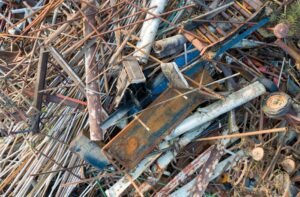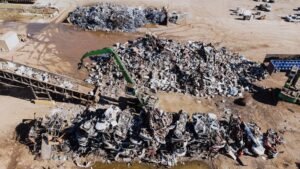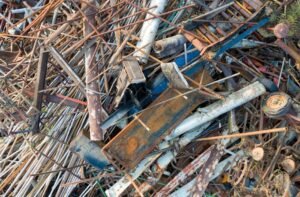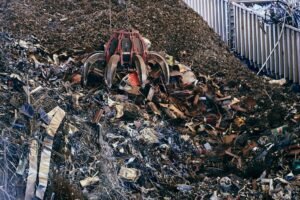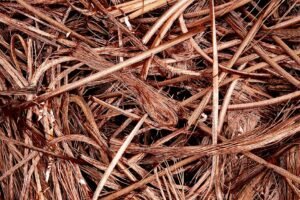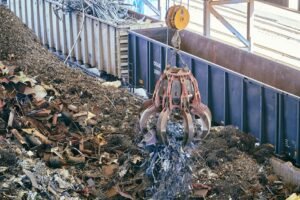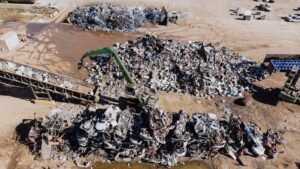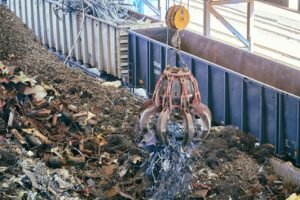

Securing competitive cash for iron is a cornerstone of the Australian scrap metal industry, providing both financial incentives for individuals and essential raw materials for the national manufacturing sector. Whether you are a tradesperson clearing a worksite or a homeowner cleaning out a shed, understanding the nuances of ferrous recycling is the first step toward turning waste into profit. Iron is the most recycled metal on the planet, and as a primary component of ferrous scrap, it remains the backbone of the circular economy. To truly master the art of metal trading, you must first understand the specific grade of your material, as the iron price per kg can fluctuate significantly based on global demand, local logistics, and the purity of the load you present to the yard. When you are ready to move your inventory, you might consider using a Pick Up Scrap Metal For Cash Near Me service to streamline the transport of heavy loads.
Understanding Ferrous Metals and Market Value
The term ‘ferrous’ refers to metals that contain iron and are generally magnetic. In the Australian market, this category includes everything from structural steel beams and rebar to household appliances and cast iron pipes. Because iron is abundant, its price is lower per kilogram than non-ferrous metals like copper or aluminium; however, the sheer volume of iron generated in demolition and construction projects makes it a highly profitable stream for those who know how to manage it. The iron price per kg is dictated by the London Metal Exchange and domestic demand from steel mills. When you sell your scrap, you are essentially supplying the raw material required to produce new steel, which is infinitely recyclable without losing its structural integrity. For a deeper dive into the technical classification of these materials, refer to our Iron Scrap A Comprehensive Guide To Selling And Recycling.
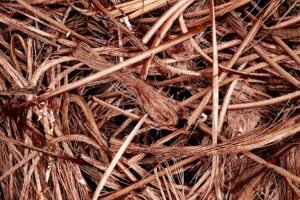
To maximize your returns, you must minimize contamination. Yards will downgrade your load if it contains plastics, rubber, wood, or non-ferrous attachments like brass fittings or copper wiring. A clean load of heavy steel will always command a better price than a mixed load of ‘light iron’ or ‘tin.’ Professional traders often join an Iron Scrap Group to stay informed about local price movements and yard requirements. By separating your materials at the source, you reduce the labor the yard has to perform, which often translates to a higher price per tonne for the seller.
The Role of Cast Iron in Your Scrap Portfolio
Cast iron is a premium grade within the ferrous category. Often found in old plumbing, vintage machinery, engine blocks, and heavy-duty cookware, cast iron is prized for its high carbon content and specific melting properties. Because it is brittle and heavy, it requires specific handling compared to mild steel. When you are collecting cash for iron, always set your cast iron pieces aside in a separate pile. Yards often pay a premium for clean, broken cast iron because it is ready for the furnace without further processing. If you are unsure about the grade of your metal, a simple magnet test is your best tool. If a magnet sticks strongly, it is ferrous; if it feels heavy and does not spark when ground, it is likely high-grade cast iron.
Many beginners make the mistake of mixing cast iron with light sheet metal. This is a costly error. Light sheet metal (often called ‘white goods’ or ‘tin’) is the lowest-value grade because it has a high surface-area-to-mass ratio, leading to significant oxidation loss during the melting process. By keeping your cast iron separate, you ensure that you are paid for the superior grade rather than the blended average. For further reading on how to maximize your total yield, visit Scrap Trade for industry-standard sorting advice.
Logistics and the Economics of Scrap Collection
The biggest hurdle for most individuals looking to sell iron is transportation. Iron is dense, and even a small pile can exceed the payload capacity of a standard utility vehicle. This is where the economics of collection come into play. If you have a large volume, hiring a skip bin or using a professional collection service is necessary. However, ensure that the cost of transport does not exceed the value of the scrap. If you have less than a tonne of material, it is often more efficient to consolidate your loads over several months or partner with neighbors to fill a larger bin. For those in regional areas, regional scrap metal services provided by Scrap Trade Australia offer specialized solutions for heavy industrial collections.
Always verify the reputation of the scrap yard before arriving. A legitimate yard will have calibrated weighbridges and transparent pricing. Avoid yards that refuse to provide a digital receipt or that do not display their current buy prices. When you are looking for cash for iron, transparency is a sign of a professional operation. Ask the yard manager about their ‘gate price’ and whether they offer bonuses for large, pre-sorted loads. Building a long-term relationship with a single yard is the most effective way to secure better-than-average rates, as they will prioritize your business during market downturns.
Environmental Impact and Sustainable Recycling
Recycling iron is one of the most significant environmental actions a business or individual can take. Producing steel from recycled iron scrap consumes approximately 75% less energy than producing it from virgin iron ore. Furthermore, it significantly reduces the carbon footprint associated with mining, transport, and the chemical reduction of ore. In Australia, the scrap metal industry is heavily regulated to ensure that hazardous materials, such as lead-acid batteries or mercury-containing switches, are not processed alongside ferrous scrap. As a seller, you have a responsibility to remove these contaminants before they enter the recycling stream.
When you participate in the scrap market, you are supporting a circular economy that prevents millions of tonnes of metal from ending up in landfills. This is not just a financial transaction; it is a contribution to the preservation of natural resources. For more detailed information on the broader benefits of the recycling industry, consult our resource on Cash for Scrap Iron: The Ultimate Recycling Guide. By consistently recycling your iron, you help maintain the stability of the local supply chain and ensure that Australian manufacturing remains competitive on a global scale.
Safety Protocols for Handling Heavy Scrap
Handling iron and steel presents significant physical risks. Heavy items can cause crushing injuries, while sharp edges on sheared steel can lead to deep lacerations. Always wear heavy-duty gloves, steel-capped boots, and high-visibility clothing when sorting or loading scrap. If you are dismantling machinery, ensure you have drained all fluids—such as oil, coolant, or hydraulic fluid—before transporting the unit. Most scrap yards will reject items containing fluids due to environmental regulations. If a yard accepts contaminated metal, it is a red flag regarding their compliance standards.
Use mechanical aids whenever possible. A simple hand trolley, a pallet jack, or a small crane can prevent back injuries and speed up your loading process. If you are dealing with large structural beams, consider hiring a professional rigging service. The cost of safety equipment is a small investment compared to the medical costs of an injury or the potential fines associated with improper disposal of hazardous materials. Remember, the goal is to turn a profit, and that includes protecting your personal health and safety throughout the process.
Future Trends in the Australian Scrap Market
The Australian scrap metal market is evolving rapidly. We are seeing a shift toward more sophisticated sorting technologies, such as X-ray fluorescence (XRF) and automated optical sorting, which allow yards to identify metal grades with near-perfect accuracy. This means that in the future, the ‘iron price per kg’ will likely become more granular, with higher premiums paid for specific alloys and ultra-clean batches. Keeping up with these trends is essential for anyone looking to make a serious income from scrap trading.
Furthermore, the global shift toward ‘green steel’—steel produced using renewable energy—is increasing the demand for high-quality, low-impurity scrap. As steel mills transition away from coal-fired blast furnaces to electric arc furnaces, the quality of the scrap input becomes even more critical. This is good news for the diligent scrapper who takes the time to sort and clean their metal. By positioning yourself as a reliable supplier of high-quality ferrous scrap, you are ensuring your place in a market that is becoming increasingly focused on quality and sustainability. Stay connected with industry updates to ensure you are always getting the best value for your efforts.
Frequently Asked Questions
What is the best way to prepare iron scrap for sale?
To get the best price, remove all non-metallic attachments like plastic, rubber, wood, and non-ferrous metals such as copper or brass. Sorting your iron into categories like heavy steel, light sheet, and cast iron will also help you receive the highest possible payout.
Does the iron price per kg change often?
Yes, the iron price per kg is volatile and fluctuates based on global steel demand, shipping costs, and local market supply. It is recommended to check daily or weekly rates with your local yard before delivering a large load.
Are there items I should not include with my iron scrap?
Never include sealed containers, gas cylinders, or items containing hazardous fluids like oil or coolant. Most scrap yards will refuse these items for safety and environmental compliance reasons.
How do I know if my metal is actually iron?
The simplest method is the magnet test; if a magnet sticks strongly to the metal, it is ferrous and likely contains iron. If the magnet does not stick or only has a very weak pull, the item is likely a non-ferrous metal such as aluminium, copper, or stainless steel.