
When you are looking to secure the best cash for pcbs, understanding the complex value chain of electronic waste is essential. Printed Circuit Boards (PCBs) are the brains of modern electronics, containing a diverse array of precious and base metals that make them highly valuable commodities in the secondary raw materials market. Unlike common steel or aluminium scrap, the value of a PCB is determined by its density of gold fingers, integrated circuits (ICs), and other high-grade components. To succeed in this niche, you must move beyond simple collection and adopt a professional grading strategy that ensures you are not leaving money on the table. Whether you are an IT asset manager, a demolition contractor, or a dedicated scrapper, the process of extracting value from these boards requires precision, knowledge, and a reliable network of buyers.
The Anatomy of PCB Value: Why Grades Matter
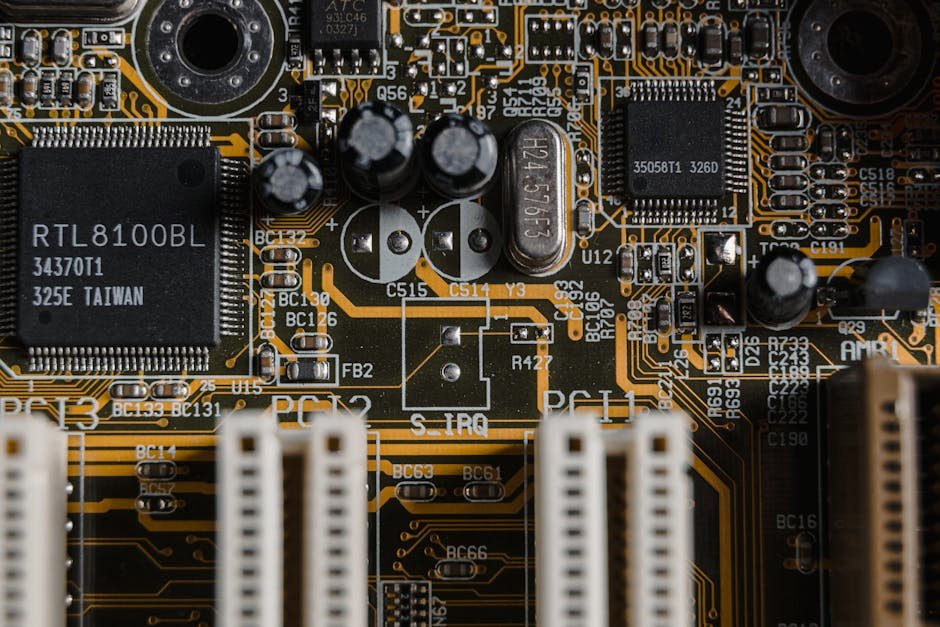
The Australian scrap market treats PCBs as distinct assets, often categorized by their visual complexity and component density. High-grade boards, often called ‘Gold Grade’ or ‘Telecom Grade,’ feature dense populations of ICs, gold-plated connectors, and ceramic processors. These boards command the highest prices because they contain a significant percentage of gold, palladium, and copper. Conversely, low-grade boards, such as those found in basic consumer appliances or older power supplies, have fewer precious metal components and are valued primarily for their copper and solder content. If you are searching for Cash For Metal Near Me How To Sell Scrap For Maximum Profit, you must learn to separate these grades before approaching a yard. Mixing high-grade boards with low-grade scrap will result in a blended price that is significantly lower than what you could achieve through disciplined sorting. Professional recyclers utilize high-resolution XRF analyzers to verify metal content, but a trained eye can often identify the most profitable boards by looking for gold-coloured pins, heavy heat sinks, and large, multi-legged integrated circuits. Always aim to keep your high-value boards separate from bulk scrap to ensure you receive the premium rates they deserve.
Strategic Collection and Preparation for Maximum Returns
Efficiency in collection is the first step toward profitability. Many professionals struggle with the logistics of moving large volumes of e-waste. If you are managing a large-scale liquidation, you might need professional assistance to Pick Up Scrap Metal For Cash Near Me, ensuring that your boards are handled safely and transported to a facility capable of processing them. Preparation is equally critical: removing bulky plastic casings, steel brackets, and aluminium heat sinks can improve your ‘per kilogram’ price significantly. Most buyers pay based on the weight of the circuit board itself; therefore, any non-metallic weight is essentially dead weight that reduces your profit margin. Use a simple set of hand tools to strip boards of heavy steel or plastic components before weighing them. This is the hallmark of a seasoned trader who understands how to Cash For Metal How To Turn Scrap Into Instant Money. By presenting clean, high-density boards, you signal to the buyer that you are a serious professional, which often leads to better long-term pricing agreements. Remember that while the Australian scrap metal industry is highly competitive, consistency in your supply will always win you better rates than one-off, poorly sorted loads.
Navigating the Australian E-Waste Market
The Australian market for e-waste is strictly regulated, with a heavy emphasis on environmental compliance and the safe handling of hazardous materials like lead and brominated flame retardants. When you trade in PCBs, you are participating in a circular economy that prevents toxic materials from entering landfills. This is why it is vital to work with certified recyclers who adhere to the R2 or e-Stewards standards. These facilities are equipped to perform ‘urban mining,’ a process where the precious metals are recovered through sophisticated chemical or smelting processes. If you have a wide variety of scrap, you might also be interested in Cash for Cars: The Ultimate Guide to Vehicle Recycling, as many modern vehicles contain increasingly complex PCB arrays that can be harvested for additional revenue. Understanding the broader landscape—from vehicle modules to server racks—allows you to diversify your income streams. Always verify that your buyer has the appropriate environmental permits, as this protects you from potential liability and ensures that your scrap is being processed ethically. For those looking for a comprehensive resource, Scrap Trade serves as a hub for industry standards and market updates, helping you stay informed about fluctuating commodity prices.
Advanced Sorting Techniques for PCB Traders
To truly master the art of getting cash for pcbs, you must move beyond basic sorting and into component-level evaluation. Not all boards are created equal, even within the same grade. Server motherboards, for example, are often significantly more valuable than standard desktop motherboards due to the presence of multiple gold-pin CPUs and high-density RAM slots. Learn to identify ‘Telecom’ grade boards, which are characterized by large, multi-layered boards with heavy gold plating on the edge connectors. These are the ‘blue chips’ of the scrap world. Another pro tip is to keep your RAM sticks separate from your motherboards. RAM sticks, especially older ones with gold contacts, are highly sought after for their gold content. By separating these high-value components, you can often sell them to specialized refiners who pay a premium that far exceeds the general ‘mixed board’ price. Keep a digital log of your sales and the specific grades you provided; this data will allow you to track which suppliers or sources provide the best yield over time, enabling you to focus your efforts on the most profitable streams.
The Role of Technology in PCB Recycling
The future of the industry lies in automated sorting and advanced chemical recovery. As technology evolves, so does the complexity of PCBs. Modern boards are becoming smaller and more integrated, which makes physical dismantling harder but increases the concentration of precious metals. Keep an eye on global commodity trends, as the price of gold and palladium directly impacts what you will be paid for your boards. When these prices are high, it is the perfect time to clear out your inventory. Conversely, during market dips, it may be more profitable to stockpile your high-grade boards until the market corrects. This ‘market-timing’ strategy is how top-tier traders maximize their annual revenue. Furthermore, consider the impact of ‘green’ initiatives in Australia, which are pushing for more domestic processing of e-waste. This shift is likely to create more local competition among buyers, which is excellent news for sellers who can provide high-quality, pre-sorted material. Always maintain a professional relationship with your local scrap yard manager; they are your best source of information regarding local demand and can often give you a ‘heads up’ on when they are looking to buy specific quantities of high-grade boards.
Risk Management and Safety Protocols
While the pursuit of cash for pcbs is lucrative, it is not without risks. PCBs contain hazardous materials, including lead, mercury, and cadmium. Always wear appropriate personal protective equipment (PPE), such as gloves and safety glasses, when handling or breaking down boards. Dust from crushed boards can be toxic, so avoid any process that generates airborne particles. If you are breaking down large quantities, ensure your workspace is well-ventilated and that you are disposing of the non-metallic waste—such as plastic casings and steel—in accordance with local environmental laws. Never attempt to burn boards to extract copper; this is not only illegal in most Australian jurisdictions due to the release of toxic fumes, but it also ruins the value of the precious metals by oxidizing them. Safety and compliance are not just ethical requirements; they are business requirements that protect your reputation and your bottom line. By operating transparently and safely, you build trust with buyers and local authorities, ensuring that your scrap business remains sustainable and profitable for years to come.
Conclusion: Building a Sustainable Scrap Business
Turning scrap into a reliable income stream requires more than just luck; it requires a systematic approach to collection, grading, and relationship management. By mastering the nuances of PCB grades, staying updated on global metal prices, and prioritizing safe handling practices, you position yourself as a professional in the Australian scrap market. Whether you are dealing with a few kilograms of computer parts or a warehouse full of server racks, the principles remain the same: sort for quality, maximize your weight-to-value ratio, and partner with reputable, licensed recyclers. The demand for recovered precious metals will only continue to grow as the world transitions to a more circular economy, making now the best time to refine your processes and scale your operations. Use the resources available to you, stay connected with industry hubs, and always look for ways to improve your sorting efficiency. Your path to consistent, high-value returns starts with the next board you process.
Frequently Asked Questions
What is the most valuable type of PCB to collect?
The most valuable PCBs are ‘Gold Grade’ or ‘Telecom Grade’ boards. These typically feature dense integrated circuits, gold-plated edge connectors, and ceramic processors, which contain higher concentrations of precious metals like gold and palladium.
Should I remove components from the PCB before selling?
Generally, you should remove non-metallic items like plastic casings, steel brackets, and aluminium heat sinks to increase the value per kilogram. However, avoid removing integrated circuits or gold-plated components yourself unless you have a specific buyer for those high-value parts, as the board itself is often priced based on its complete component density.
How do I find a reliable buyer for my PCB scrap in Australia?
Look for licensed e-waste recyclers that provide transparent pricing and adhere to environmental standards like R2 or e-Stewards. You can check industry directories or use platforms like Scrap Trade to find verified facilities that specialize in precious metal recovery.
Is it legal to burn PCBs to extract copper?
No, it is illegal to burn PCBs in Australia. Burning releases toxic fumes from brominated flame retardants and lead, and it also destroys the precious metals by oxidizing them, significantly reducing the board’s resale value.