
If you are searching for cash for scrap cars Nowra, you have come to the right place. Navigating the world of automotive recycling can seem daunting, but it is a highly efficient industry that turns end-of-life vehicles (ELVs) into valuable raw materials. Whether your car has reached the end of its road due to mechanical failure, accident damage, or simply old age, recycling it is the most responsible and profitable choice. By choosing to recycle, you are participating in a circular economy that preserves natural resources and reduces the need for virgin metal mining.
Understanding the Value of End-of-Life Vehicles (ELV)
An end-of-life vehicle is not just a pile of rusted steel; it is a complex assembly of high-value commodities. When you look for cash for scrap cars Nowra, you are essentially selling a collection of ferrous and non-ferrous metals, along with reusable components. The value of your car is determined by the global market price of these materials. Steel, which makes up the bulk of a vehicle’s weight, is the primary driver of scrap pricing. However, non-ferrous metals like copper, aluminum, and lead found in wiring, radiators, and batteries often hold a higher price per kilogram.
Professional car wreckers evaluate vehicles based on the “curb weight” and the ease of access to these high-value metals. Modern vehicles are engineered with sustainability in mind, meaning more parts are recyclable than ever before. Before you head to a facility, it is helpful to understand how to prepare your vehicle. If you are unsure about the process, you might want to look into the Closest Scrap Yard Near Me A Complete Guide To Selling Scrap For Cash to ensure you are dealing with a licensed facility that adheres to environmental regulations.
The Process of Vehicle Recycling: From Road to Raw Material
The journey of a vehicle through the recycling chain is a rigorous, multi-step process designed to maximize recovery and minimize hazardous waste. First, the vehicle is inspected. Fluids such as engine oil, coolant, transmission fluid, and brake fluid are carefully drained and stored for specialized treatment. This is a critical step in vehicle recycling, as these substances are toxic to the soil and water table if left to leak.
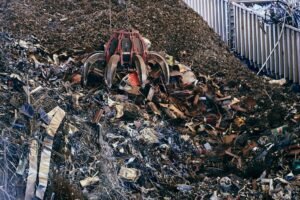
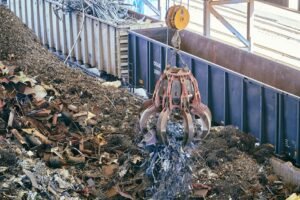
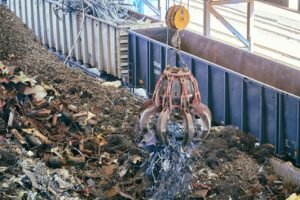
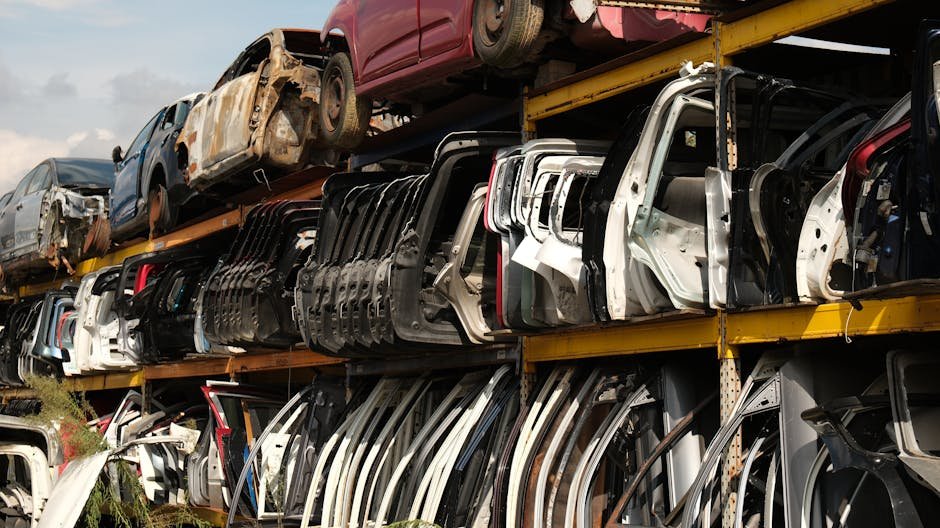
Once the vehicle is “depolluted,” the dismantling phase begins. Skilled technicians remove valuable auto parts that can be refurbished or sold as second-hand components. This includes alternators, starters, catalytic converters, and sometimes body panels or lights. The remaining shell is then sent to a shredder. The shredding process breaks the car into palm-sized pieces, which are then passed through magnets and air separators to sort the steel from the plastics, glass, and rubber. This advanced sorting ensures that almost 95% of the vehicle is diverted from landfill. For those interested in broader recycling efforts, you can explore the services offered by Scrap Trade to see how they manage diverse metal streams.
Grades of Scrap Metal in Your Vehicle
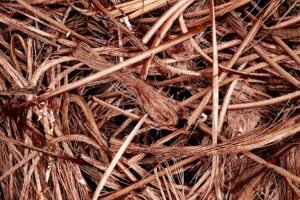
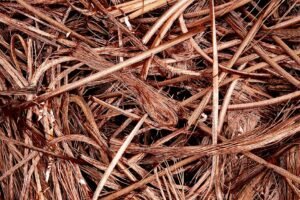
Not all scrap is created equal. When you sell your car, the recycler classifies the metal to determine its grade. Understanding these grades can help you negotiate better rates. Ferrous metals, such as iron and steel, are magnetic and represent the largest portion of your car’s weight. These are typically sold in bulk. Non-ferrous metals, however, are the “gold” of the scrap yard. These include aluminum (found in engine blocks, wheels, and transmission housings), copper (found in the intricate wiring looms throughout the car), and lead (found in the battery).
Because these non-ferrous metals are more expensive to mine and refine, they are highly sought after. If you have removed specific high-value components, ensure you know how to market them correctly. For tips on maximizing your return, read more about Cash For Metal Near Me How To Sell Scrap For Maximum Profit. By separating these materials, you can often secure a better deal than if you sold the vehicle as a single, mixed-grade unit.
Environmental Benefits of Recycling Cars
The environmental impact of recycling a car is profound. Every tonne of recycled steel saves over a tonne of iron ore, 630 kg of coal, and 55 kg of limestone. By choosing to recycle your ELV, you are actively reducing the carbon footprint associated with the production of new steel. Furthermore, the safe disposal of toxic fluids prevents groundwater contamination, and the recycling of lead-acid batteries prevents heavy metal leaching into our local Nowra ecosystems.
Beyond the raw materials, the reuse of auto parts significantly reduces the energy expenditure required to manufacture new replacement parts. A refurbished alternator or starter motor requires only a fraction of the energy to produce compared to a factory-new unit. This is why the car wreckers industry is a cornerstone of the green economy in Australia. If you have other scrap items lying around your property, you might consider the convenience of a service that can Pick Up Scrap Metal For Cash Near Me to clear your space while helping the environment.
Strategic Locations and Regional Services
While our focus here is on Nowra, the scrap metal industry operates as a connected network across New South Wales. We understand that residents often have family or business interests in neighboring regions. If you have friends or colleagues in other areas, they might be looking for cash for scrap cars leumeah or perhaps cash for scrap cars dapto. Having a trusted partner in these locations ensures that you get consistent service and transparent pricing regardless of where your vehicle is located.
Our platform, Scrap Trade Australia, works to bridge the gap between individual sellers and professional recyclers. We provide the data and connections necessary to ensure that your transaction is smooth, legal, and profitable. Whether you are in a major city or a regional hub, the principles of professional recycling remain the same: transparency in weight, fair market pricing for the grade of metal, and a commitment to environmental safety.
How to Prepare Your Car for Sale
To get the best price for your vehicle, a little preparation goes a long way. Start by removing all personal belongings from the glove box, boot, and under the seats. Ensure you have the necessary documentation, such as proof of ownership, as this is a legal requirement for most reputable scrap yards. If your car is still running, it may have a higher value as a source of spare parts, so be sure to mention its mechanical condition to the recycler.
Avoid stripping the car yourself unless you have the proper tools and safety equipment. Removing parts incorrectly can damage the frame or make it difficult to transport. Instead, focus on gathering the keys and the title. Once you are ready, contact a local service to arrange for a pickup. Most professional services will offer a towing service as part of the deal, which saves you the cost and hassle of transporting a non-running vehicle yourself.
The Future of Automotive Recycling
As we look toward the future, the automotive industry is shifting toward electric vehicles (EVs). This presents new challenges and opportunities for the recycling sector. Lithium-ion batteries require specialized handling and recycling processes that differ significantly from traditional lead-acid batteries. The industry is currently investing heavily in “battery second-life” programs, where batteries are repurposed for energy storage before being recycled for their cobalt, lithium, and nickel content.
By participating in the current scrap market, you are supporting the infrastructure that will eventually handle the next generation of vehicles. The transition to a circular economy is not just about today’s steel; it is about building a system that can handle the complex materials of tomorrow. Your decision to recycle today helps fund the research and technology needed to keep our planet clean for future generations.
Frequently Asked Questions
We understand that you may have specific concerns about the process. Here are some of the most common questions we receive regarding the recycling of end-of-life vehicles.
Conclusion
Recycling your vehicle is one of the most impactful decisions you can make as a car owner. It clears your property, provides you with immediate cash, and protects the environment by keeping hazardous materials out of landfills and reducing the demand for raw resource extraction. Whether you are in Nowra or beyond, the process is streamlined and rewarding when you work with experienced professionals. Use the resources provided here to ensure you are getting the best market rate for your metal and that your vehicle is being handled with the highest standards of safety and sustainability. Remember, every scrap car is a resource waiting to be reborn—make sure yours contributes to a greener future today.
Frequently Asked Questions
How is the price of my scrap car determined?
The price is primarily determined by the current market rate for steel, the weight of the vehicle, and the presence of valuable non-ferrous metals like copper and aluminum. Additional factors include the salvage value of reusable auto parts and the cost of transport.
Do I need to have the title to sell my scrap car?
Yes, most licensed recyclers require proof of ownership, such as the vehicle title or registration, to prevent the processing of stolen vehicles. This is a legal requirement to ensure the transaction is legitimate and documented.
What happens to the fluids in my car during recycling?
Professional recyclers use specialized equipment to drain all fluids, including engine oil, transmission fluid, and coolant. These are then collected in sealed containers and sent to specialized facilities for proper treatment and recycling.
Can I sell a car that doesn’t run?
Absolutely. In fact, most scrap cars are non-runners. Recyclers are equipped to tow non-functional vehicles, and the value is based on the weight of the metal and the recyclable components rather than the car’s ability to drive.